78 cards · upright and reversed
Yes or no tarot
A yes-or-no reading puts a closed question to the deck and reads the card you draw as a leaning. Every card carries one in both directions. Across the seventy-eight, 51 lean yes upright, 17 lean no, and10 sit at maybe. Reversed, the count is 10 yes,55 no, and 13 maybe. The table below gives each card's leaning both ways, and every row links to the reasoning on that card's own page.
Treat the leaning as a place to start reflecting. It cannot predict an outcome or make the choice for you. What gives it weight is the sentence underneath it, which is why each card here has a whole page.
Major Arcana
The twenty-two cards for the large forces. A yes here tends to speak to direction more than logistics.
| Card | Upright | Reversed |
|---|---|---|
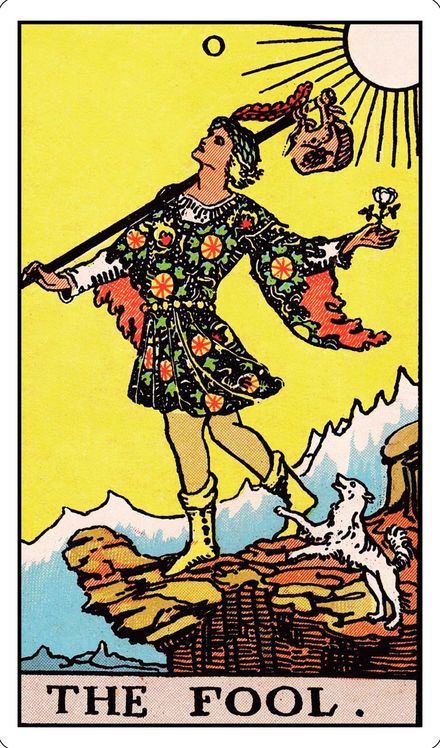
| The Fool | yes | no |
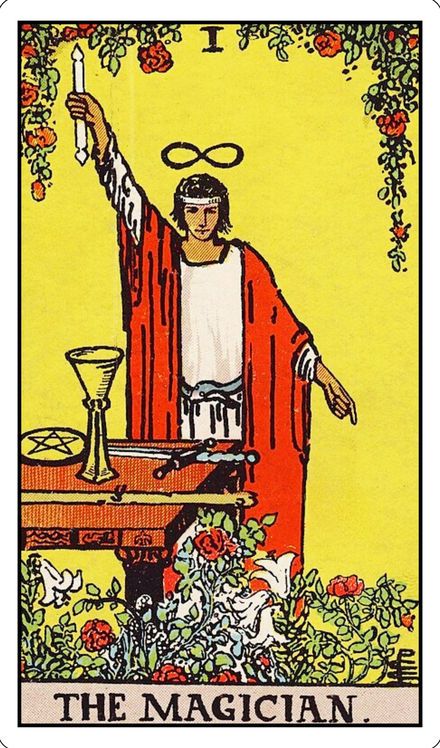
| The Magician | yes | no |
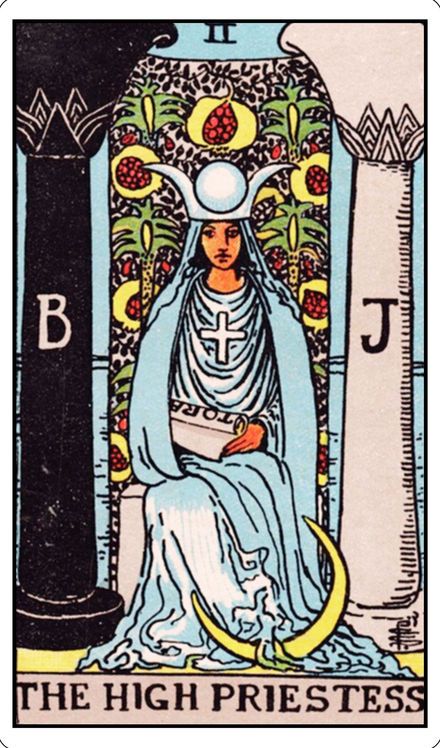
| The High Priestess | maybe | no |
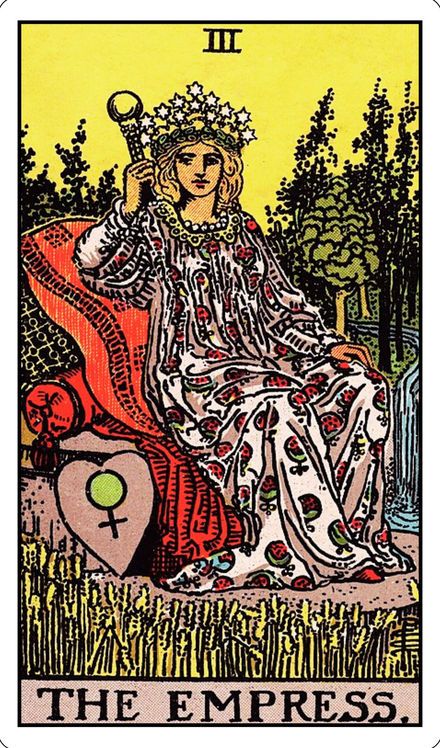
| The Empress | yes | maybe |
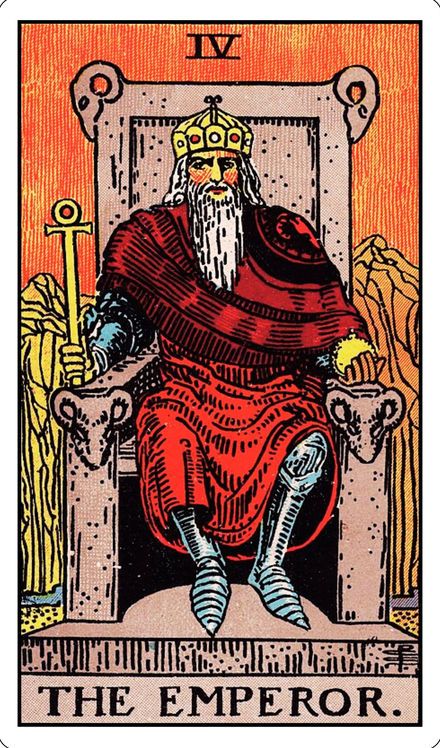
| The Emperor | yes | no |
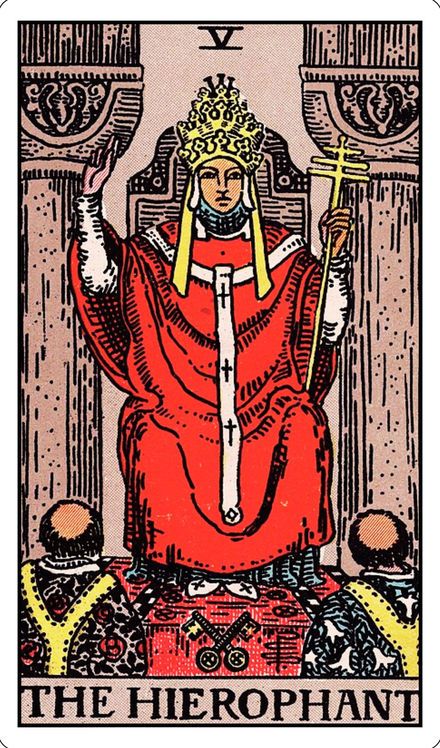
| The Hierophant | yes | no |
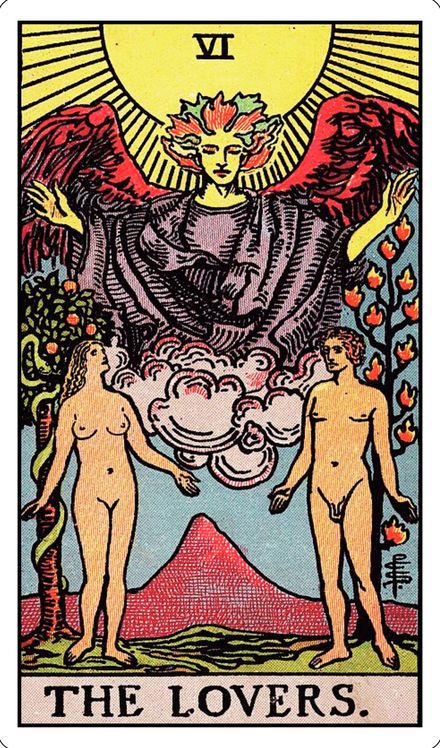
| The Lovers | yes | no |
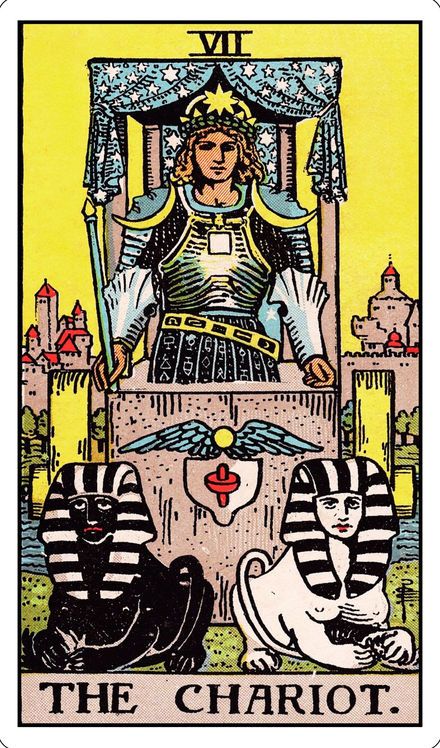
| The Chariot | yes | no |
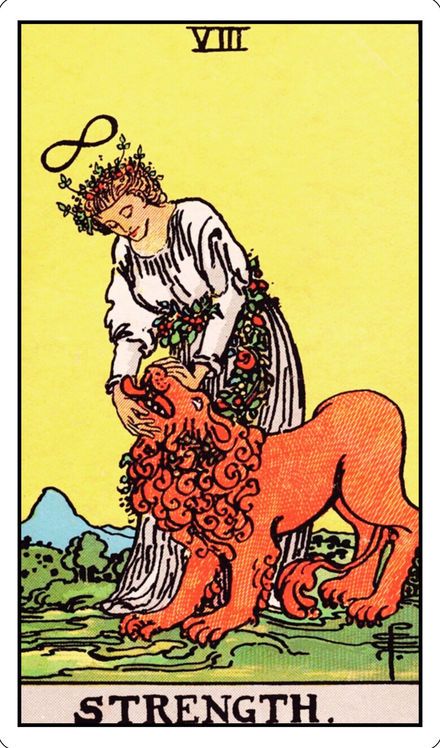
| Strength | yes | maybe |
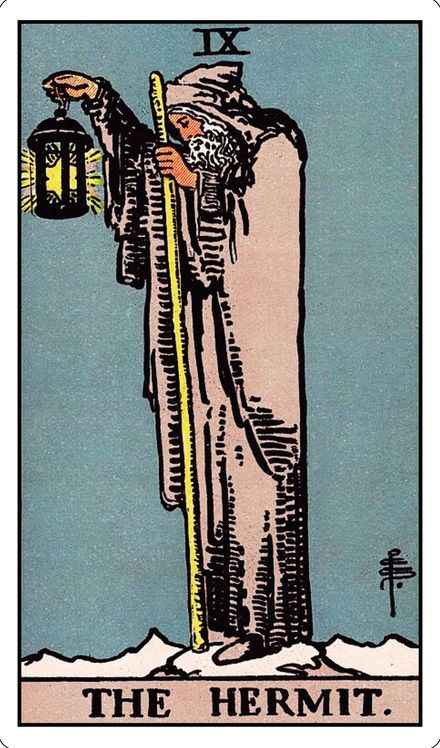
| The Hermit | maybe | no |
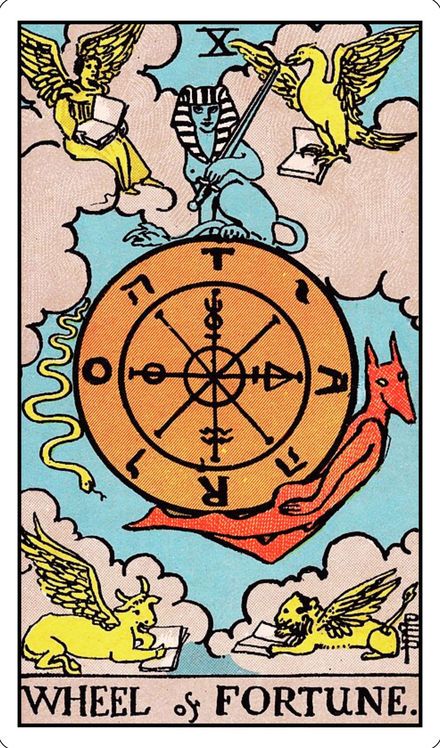
| Wheel of Fortune | yes | no |
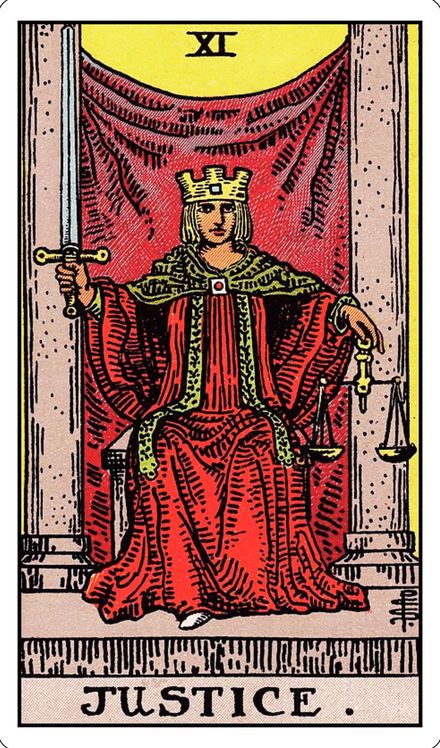
| Justice | maybe | no |
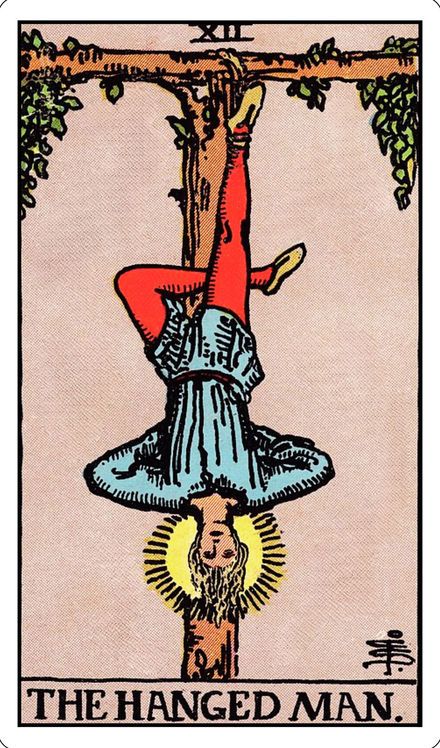
| The Hanged Man | no | no |
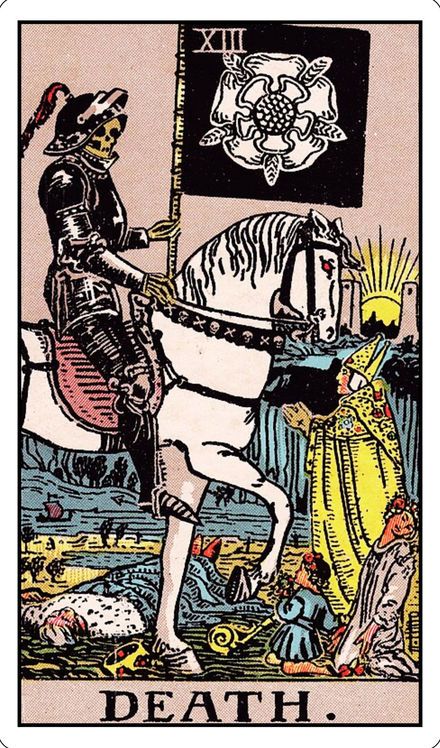
| Death | no | no |
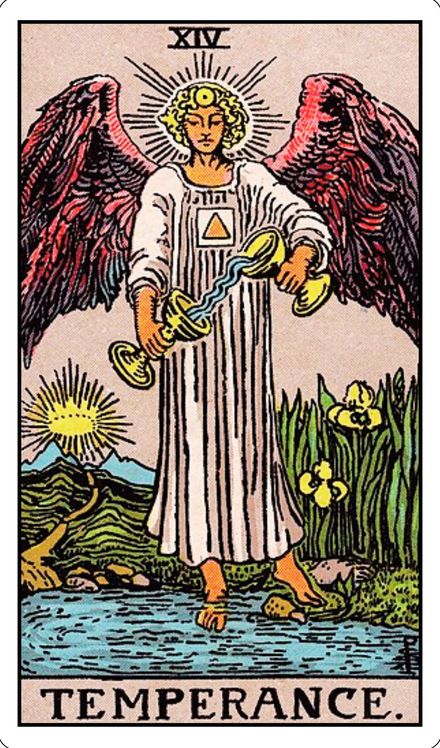
| Temperance | yes | no |
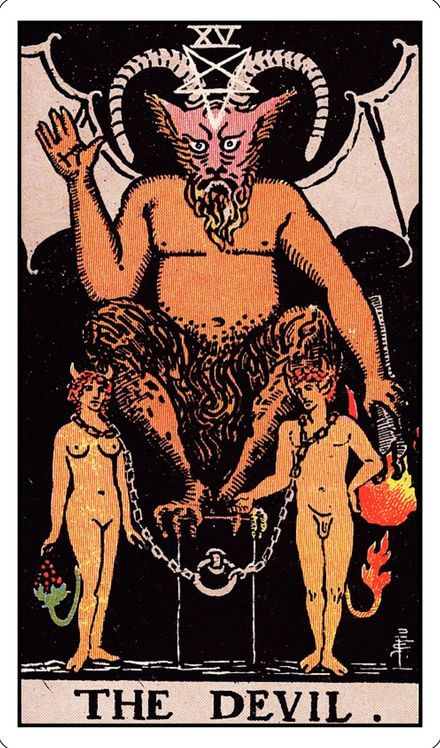
| The Devil | no | yes |
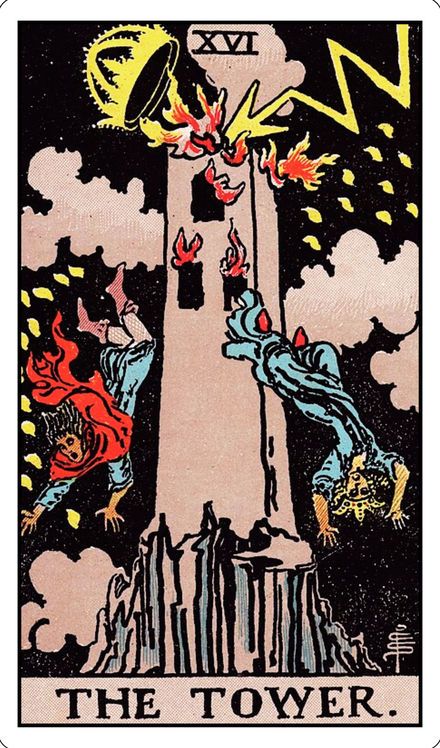
| The Tower | no | no |
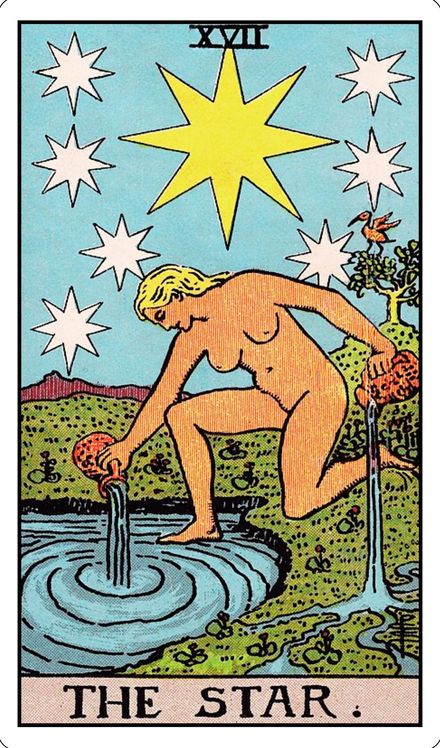
| The Star | yes | maybe |
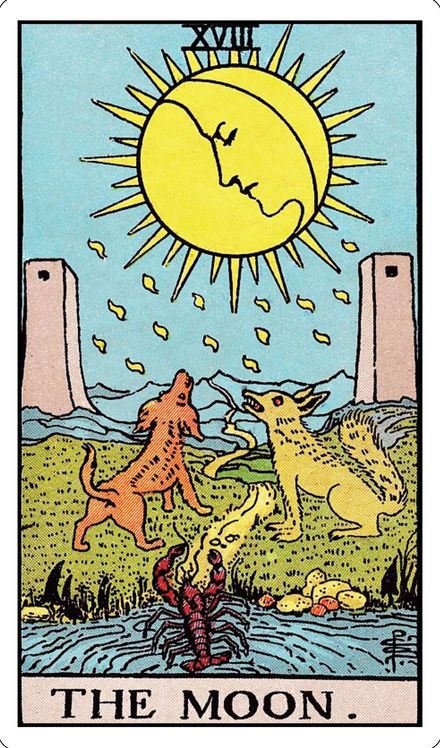
| The Moon | maybe | yes |
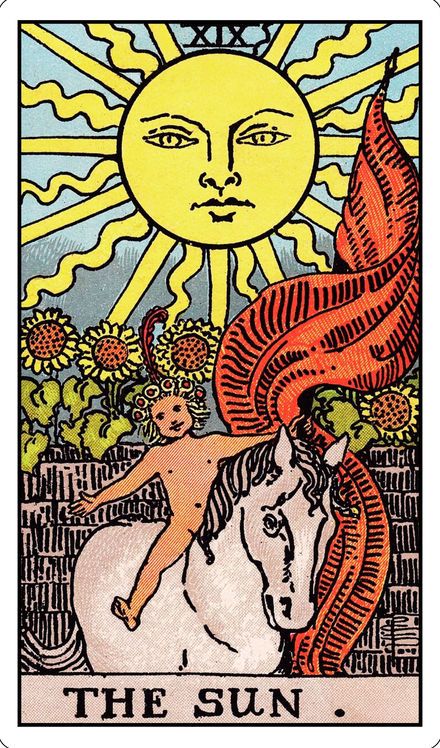
| The Sun | yes | yes |
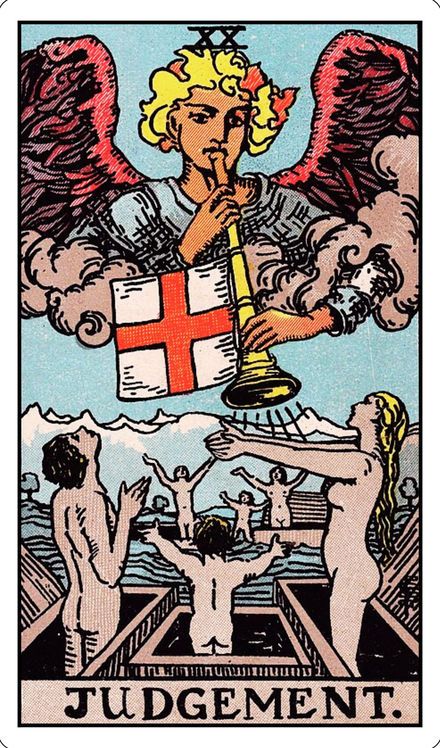
| Judgement | yes | no |
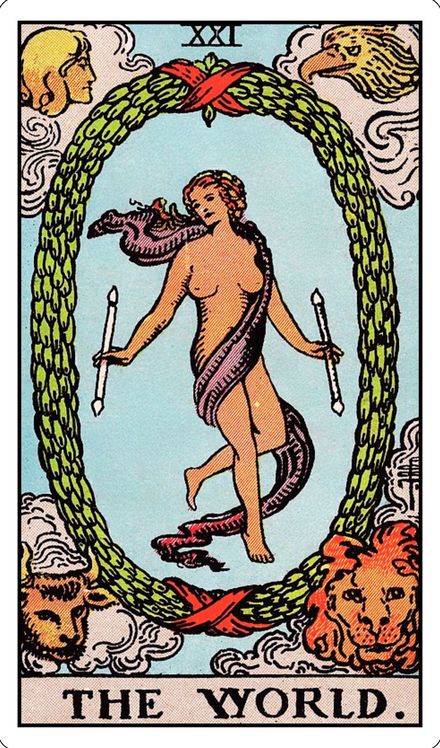
| The World | yes | maybe |
Cups
Water. Emotions, relationships, intuition.
| Card | Upright | Reversed |
|---|---|---|
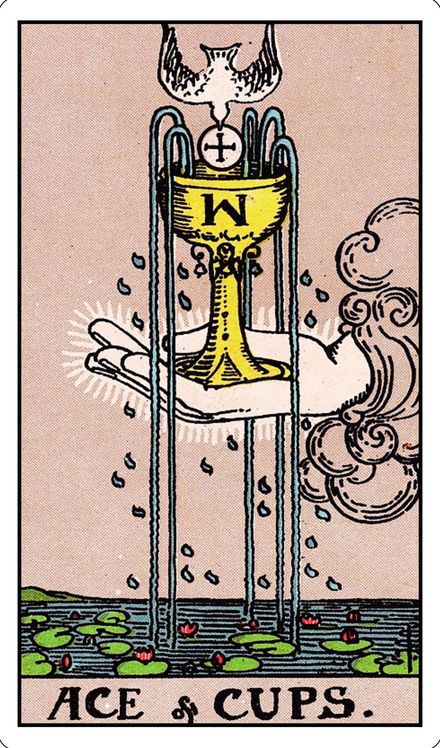
| Ace of Cups | yes | no |
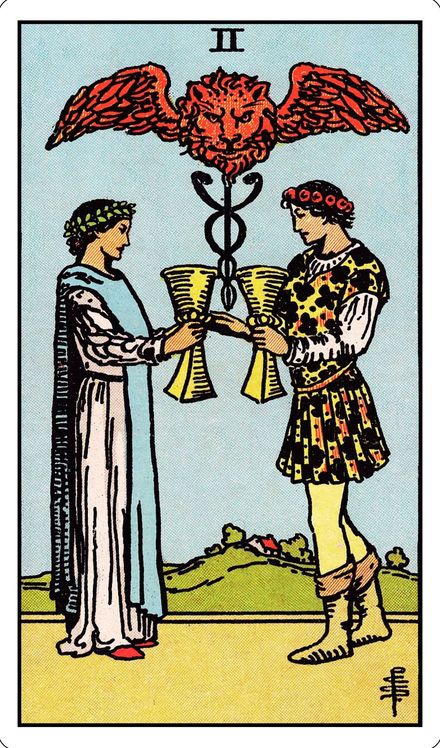
| Two of Cups | yes | no |
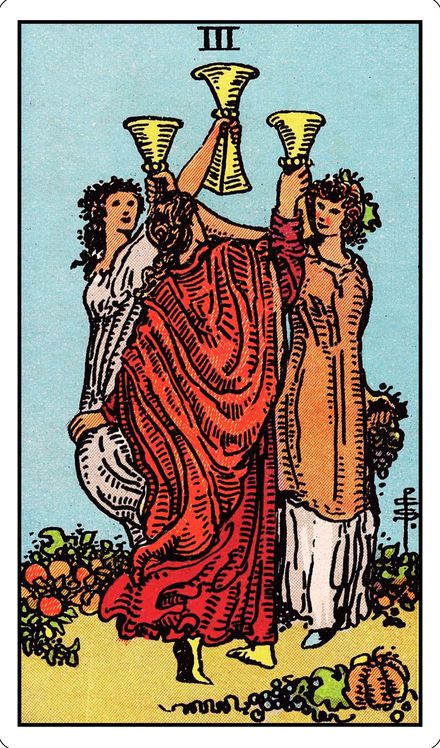
| Three of Cups | yes | no |
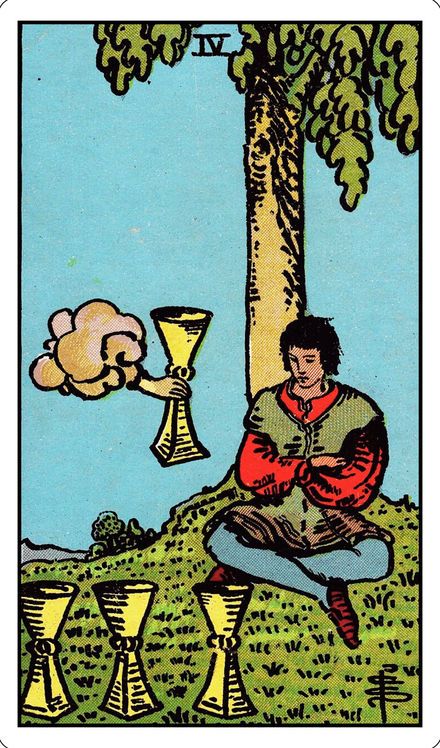
| Four of Cups | no | yes |
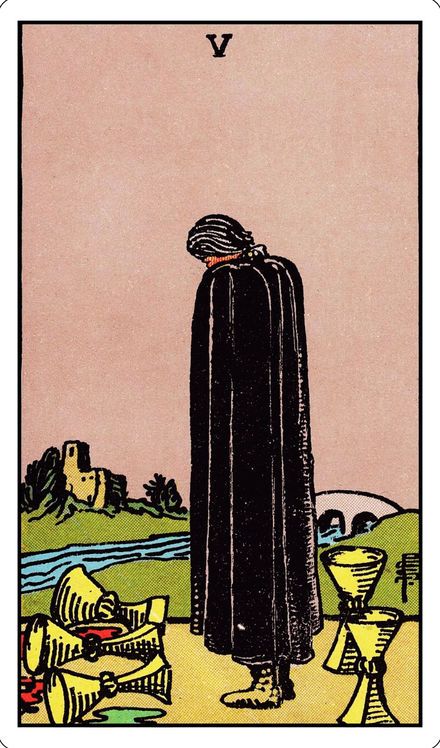
| Five of Cups | no | maybe |
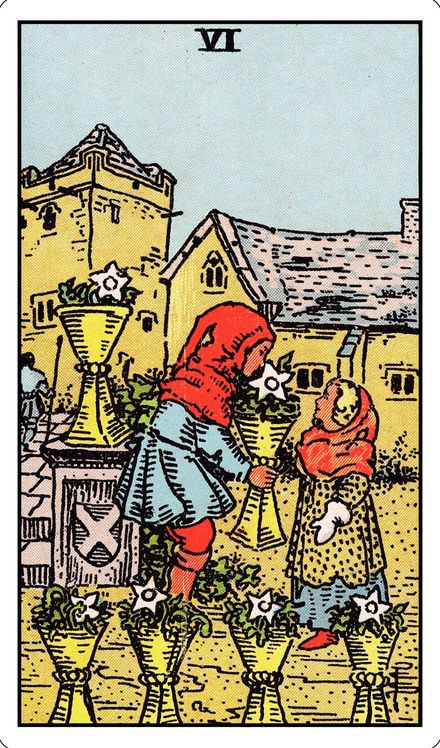
| Six of Cups | yes | no |
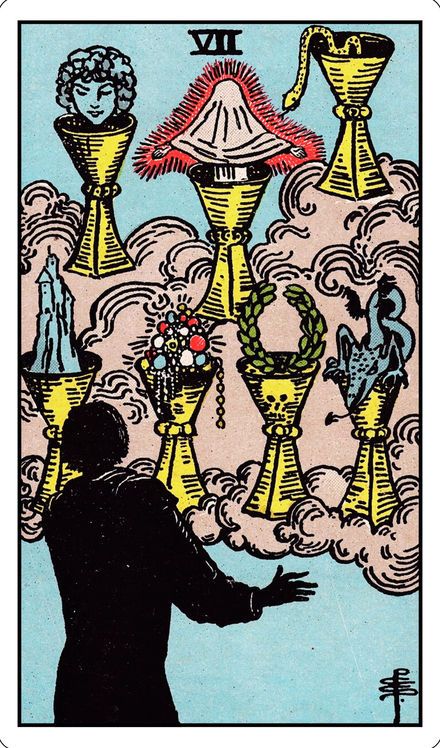
| Seven of Cups | maybe | yes |
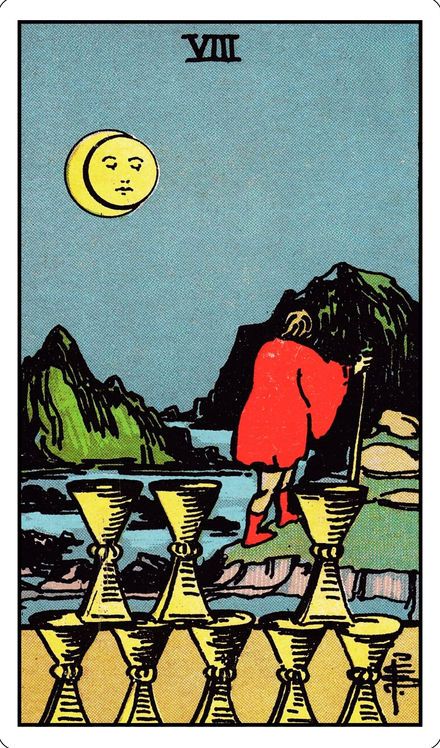
| Eight of Cups | no | maybe |
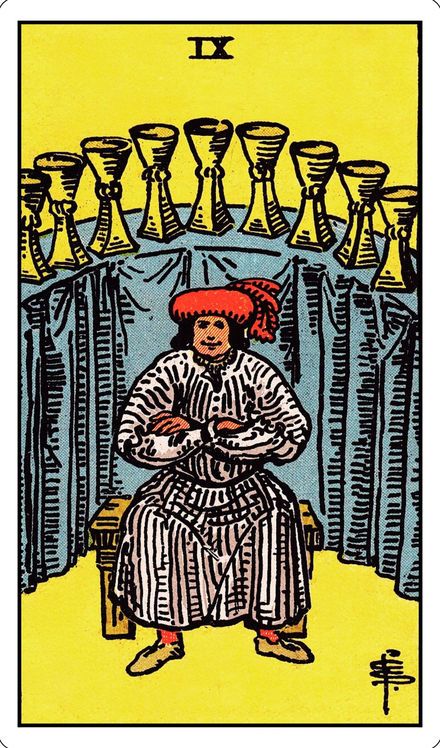
| Nine of Cups | yes | no |
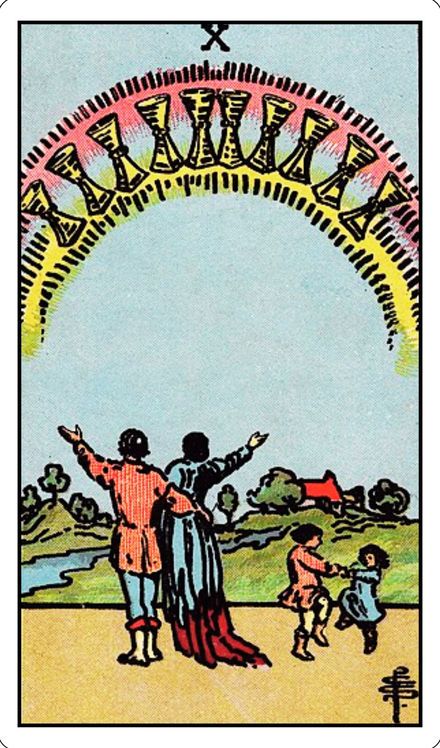
| Ten of Cups | yes | no |
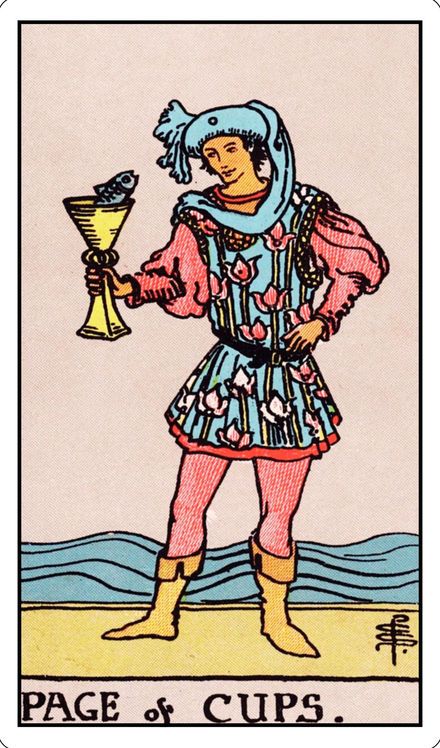
| Page of Cups | yes | no |
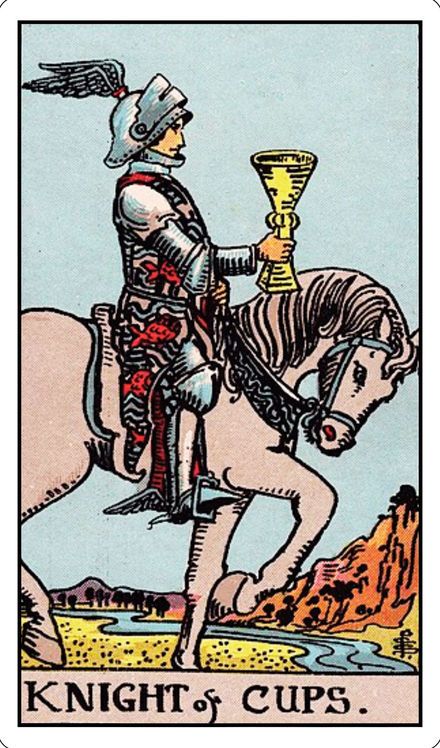
| Knight of Cups | yes | no |
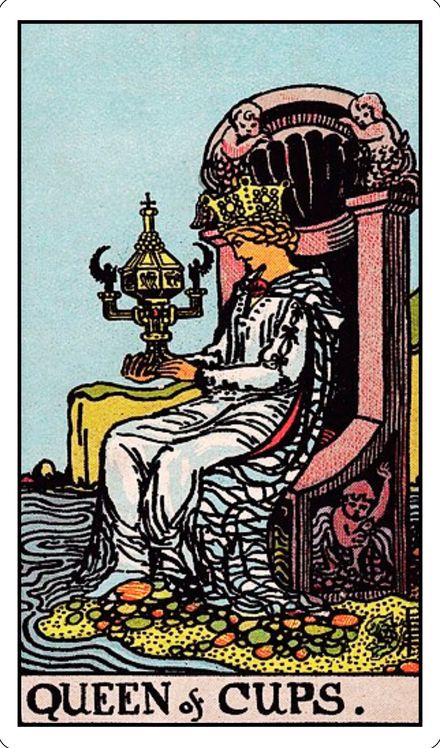
| Queen of Cups | yes | no |
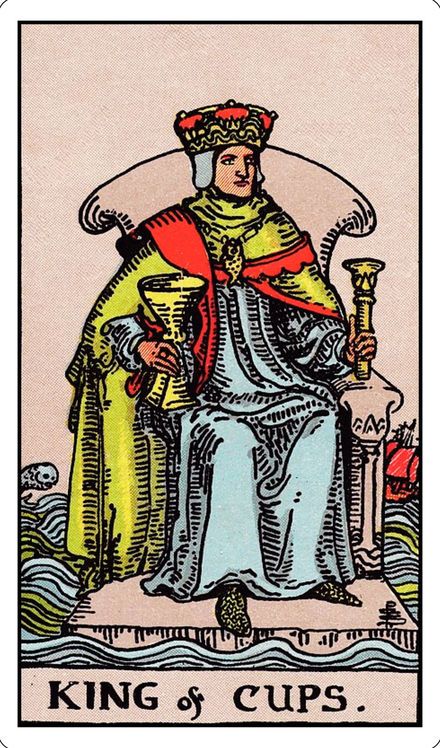
| King of Cups | yes | no |
Pentacles
Earth. Material world, wealth, career.
| Card | Upright | Reversed |
|---|---|---|
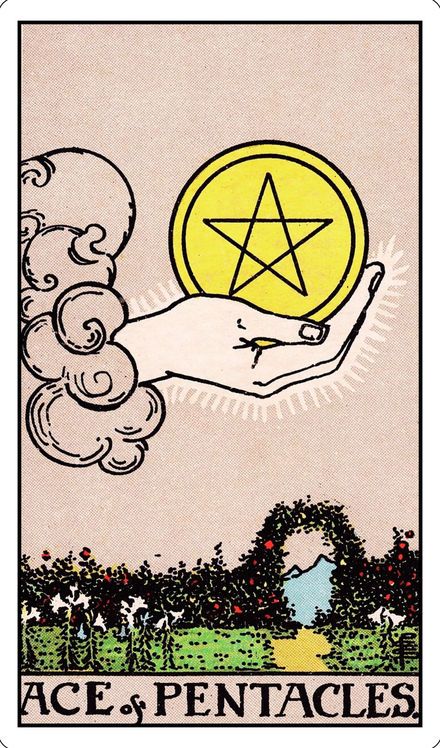
| Ace of Pentacles | yes | no |
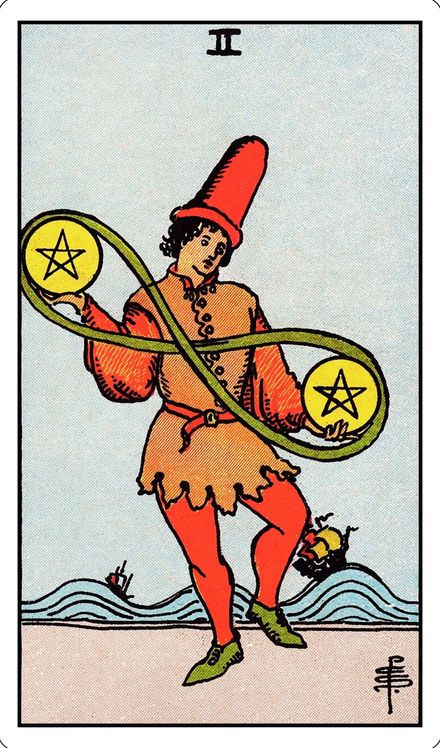
| Two of Pentacles | maybe | no |
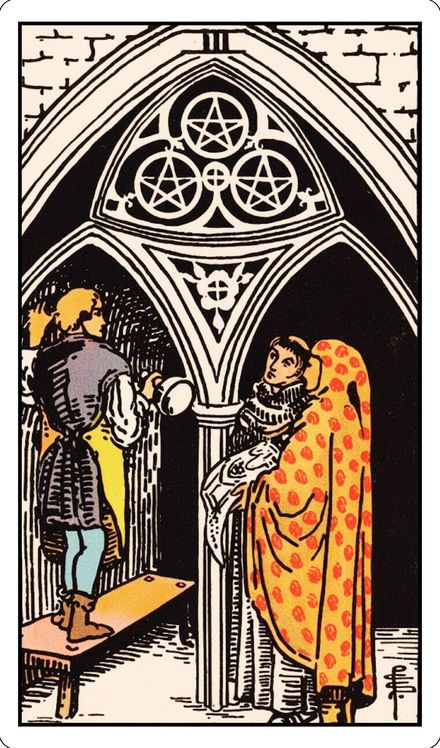
| Three of Pentacles | yes | no |
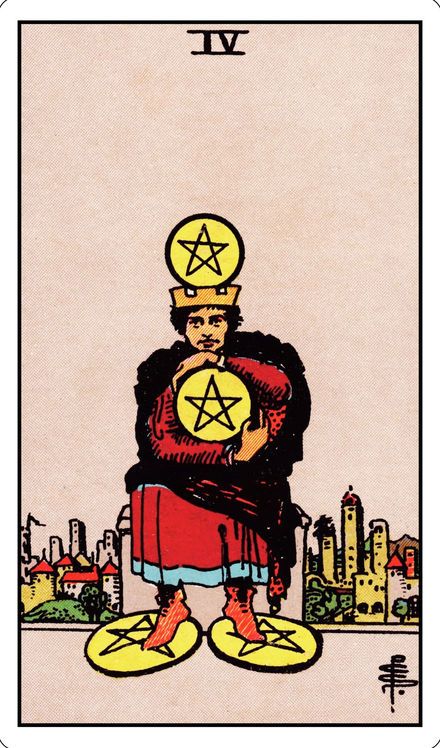
| Four of Pentacles | maybe | maybe |
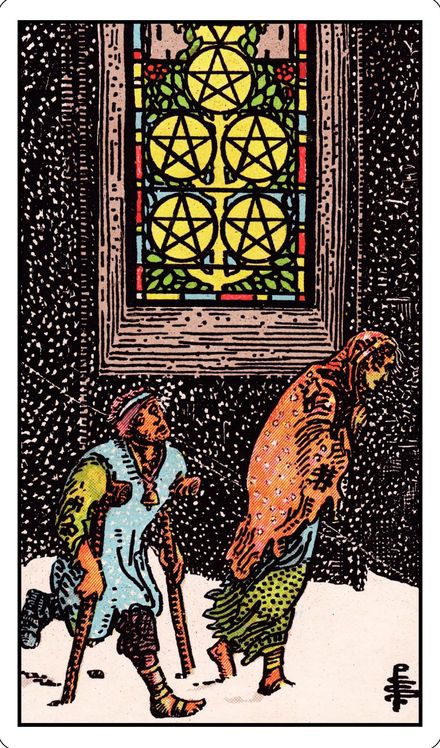
| Five of Pentacles | no | yes |
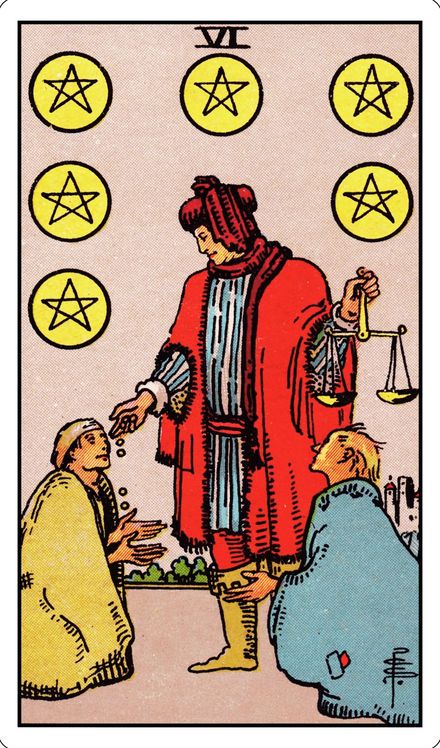
| Six of Pentacles | yes | no |
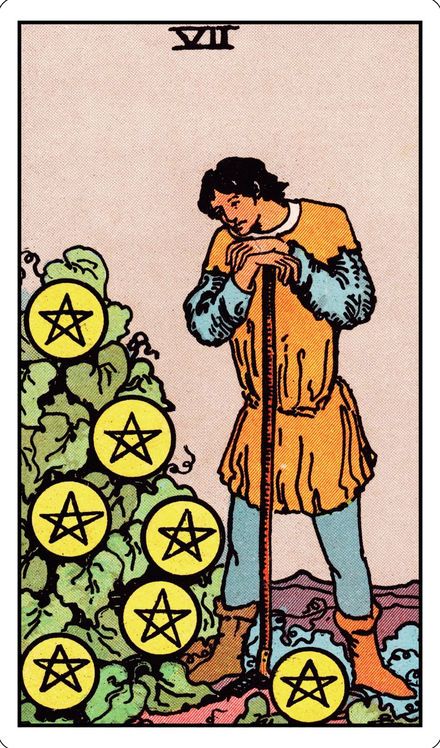
| Seven of Pentacles | maybe | no |
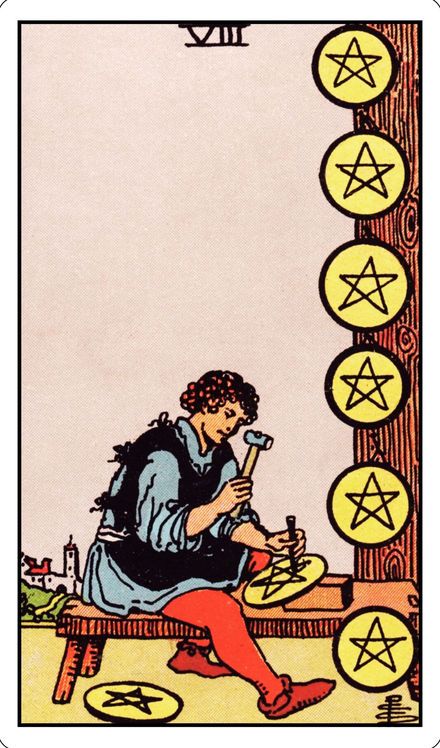
| Eight of Pentacles | yes | no |
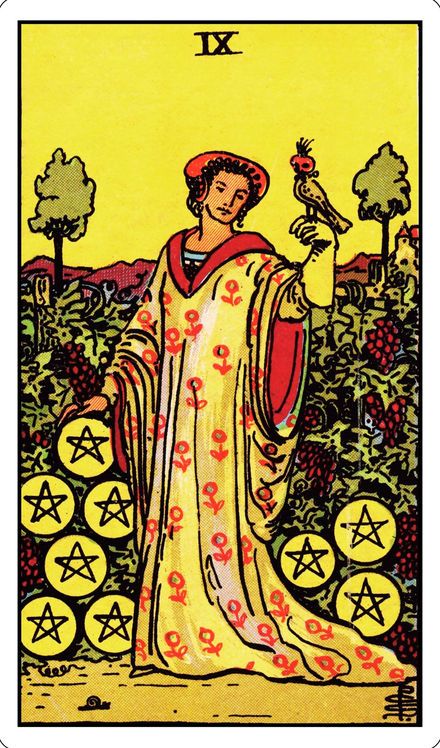
| Nine of Pentacles | yes | no |
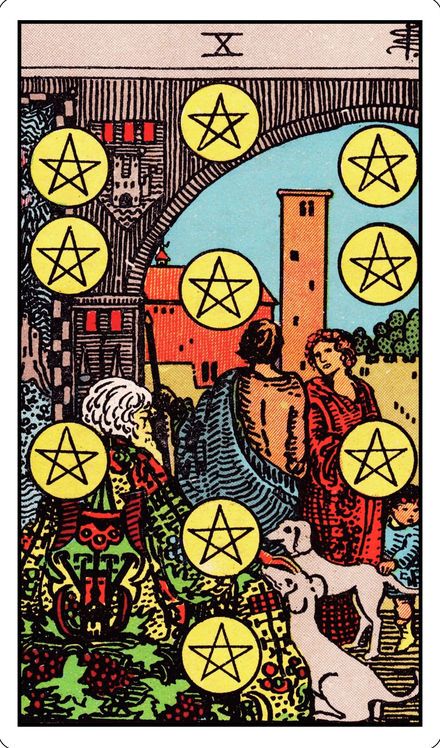
| Ten of Pentacles | yes | no |
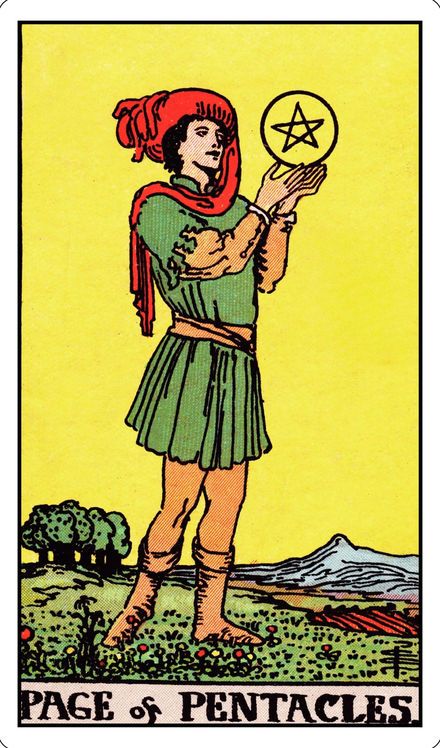
| Page of Pentacles | yes | no |
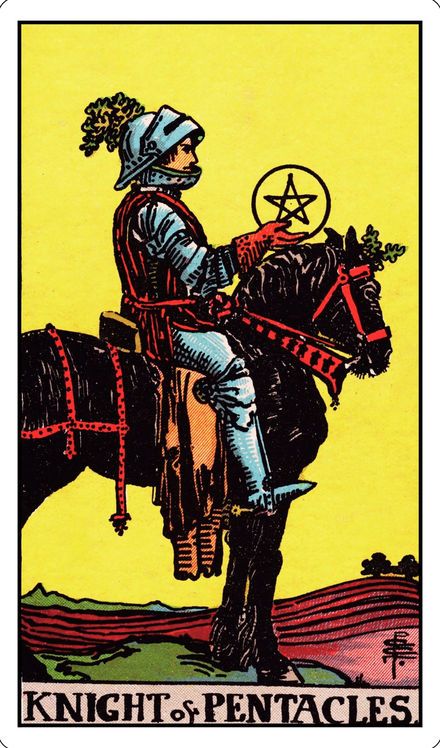
| Knight of Pentacles | yes | no |
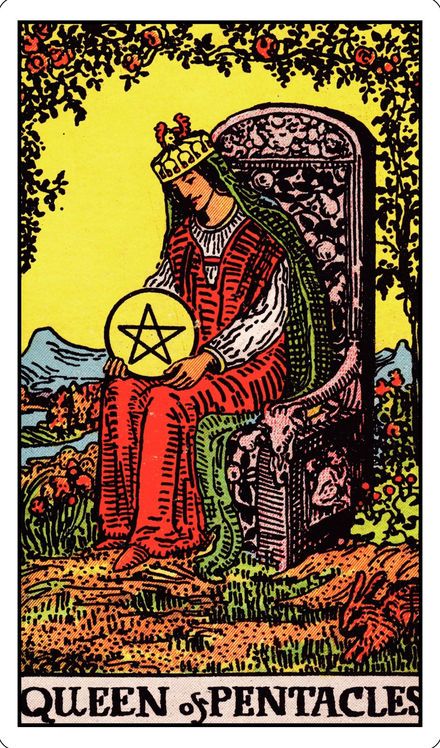
| Queen of Pentacles | yes | no |
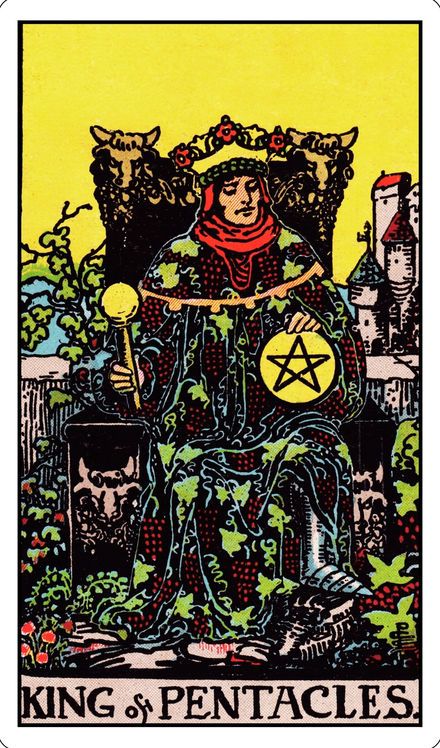
| King of Pentacles | yes | no |
Swords
Air. Intellect, conflict, truth.
| Card | Upright | Reversed |
|---|---|---|
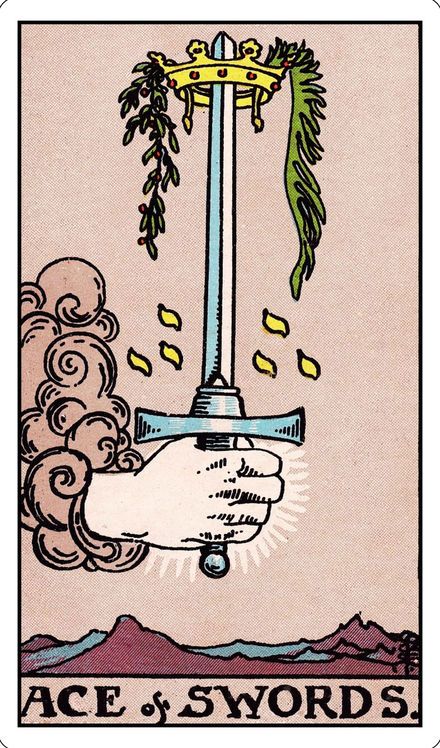
| Ace of Swords | yes | no |
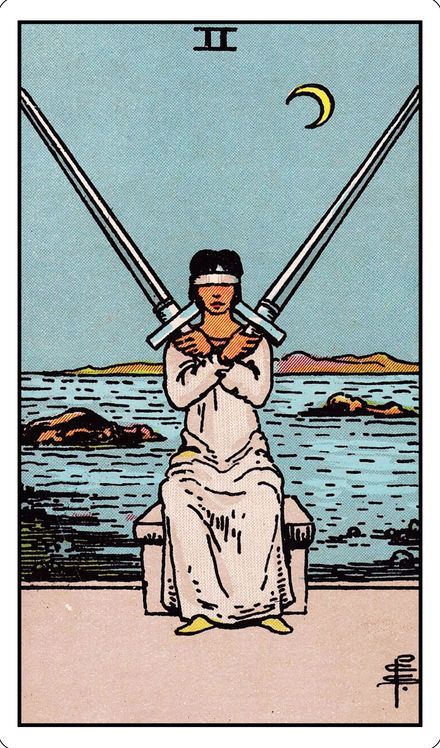
| Two of Swords | no | yes |
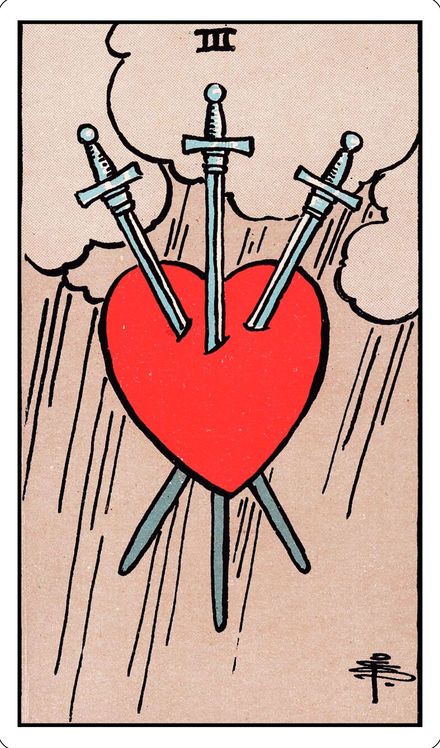
| Three of Swords | no | maybe |
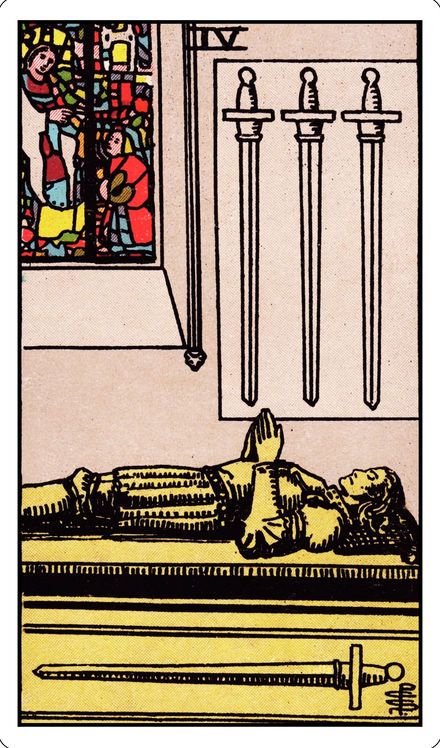
| Four of Swords | no | yes |
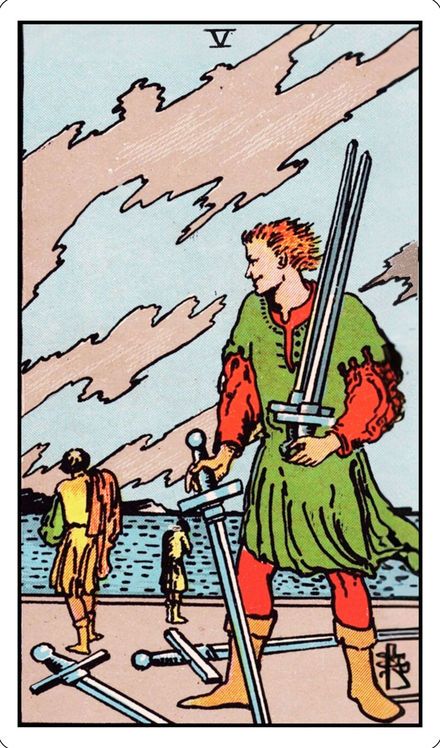
| Five of Swords | no | maybe |
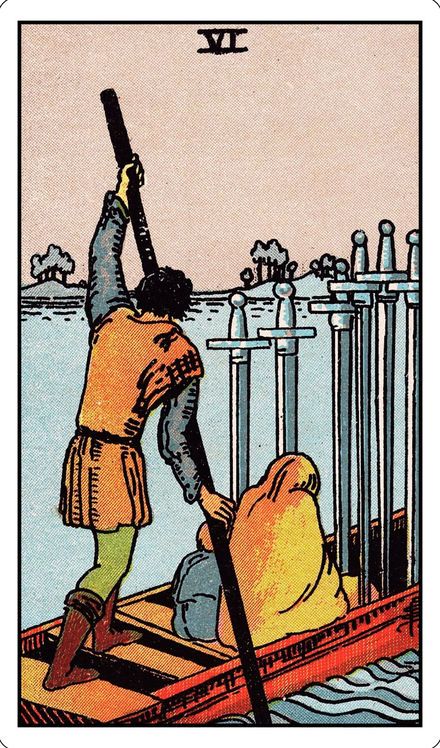
| Six of Swords | yes | no |
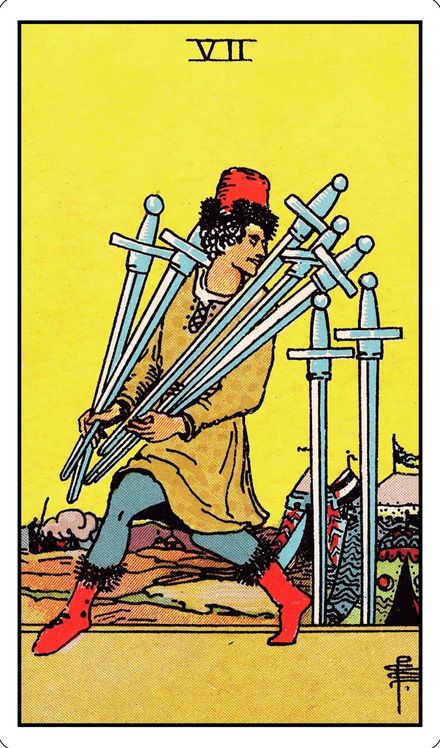
| Seven of Swords | no | maybe |
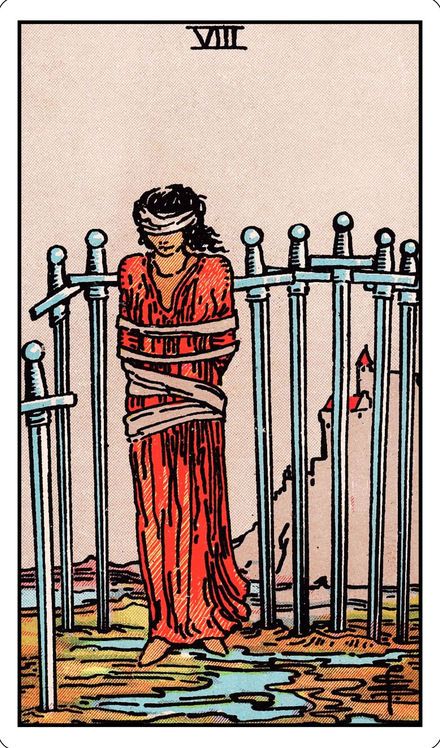
| Eight of Swords | no | yes |
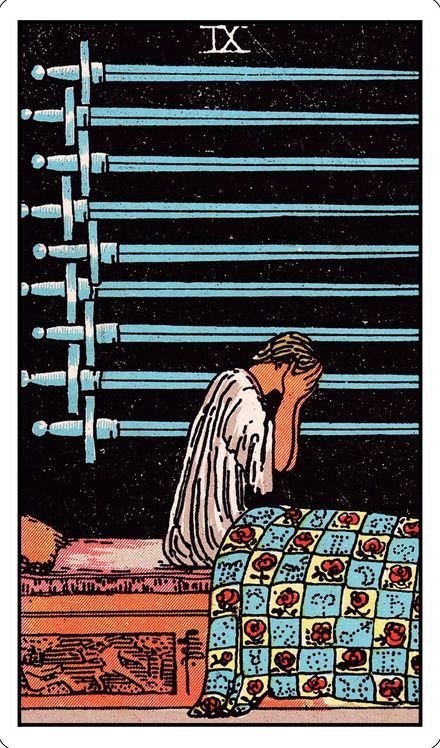
| Nine of Swords | no | maybe |
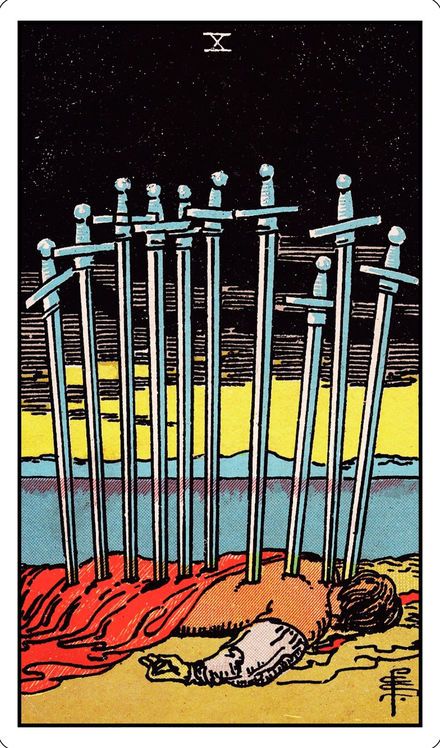
| Ten of Swords | no | maybe |
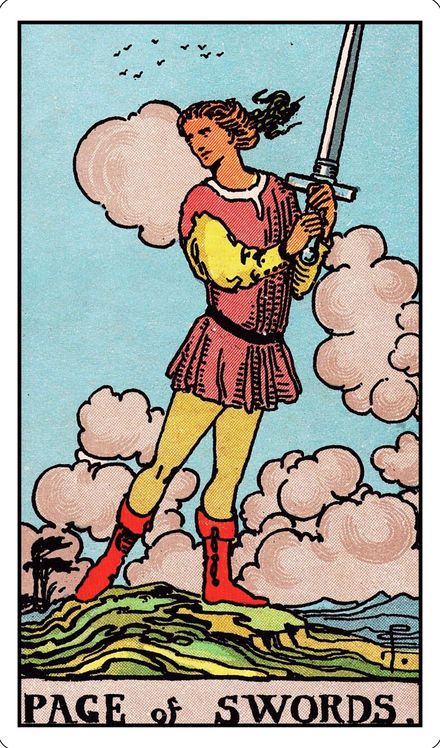
| Page of Swords | maybe | no |
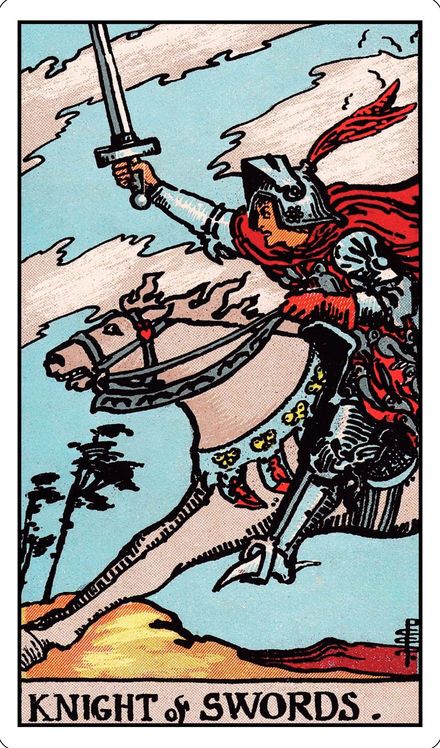
| Knight of Swords | yes | no |
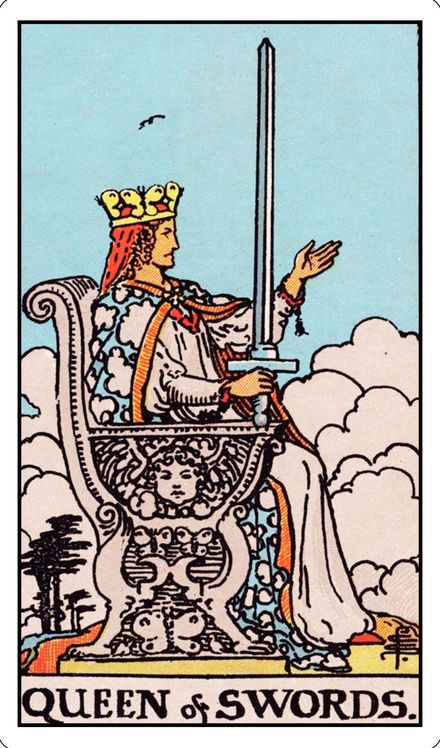
| Queen of Swords | yes | no |
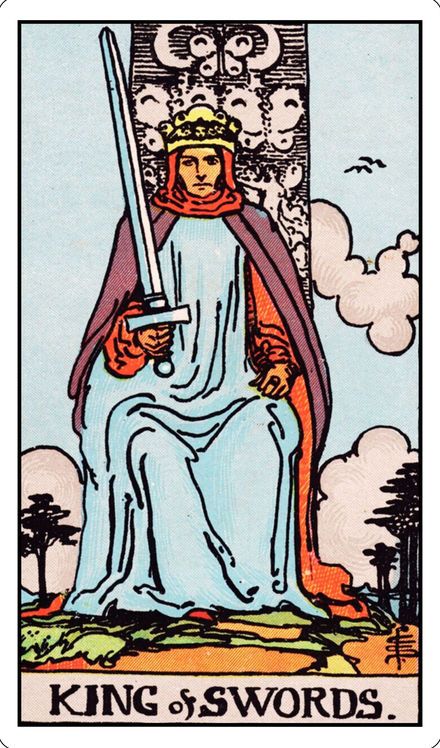
| King of Swords | yes | no |
Wands
Fire. Passion, creativity, action.
| Card | Upright | Reversed |
|---|---|---|
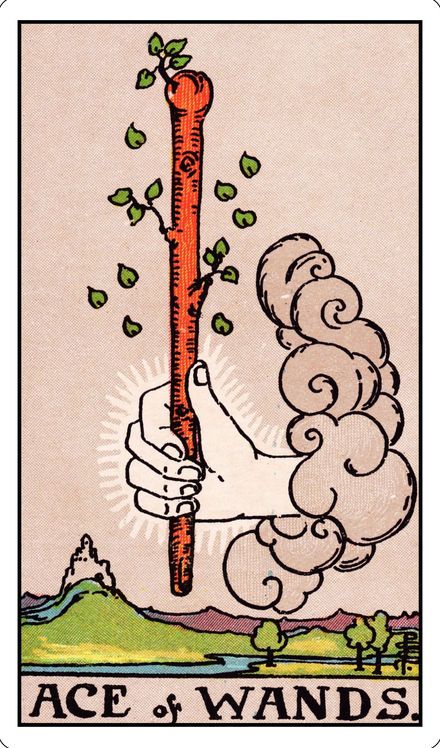
| Ace of Wands | yes | no |
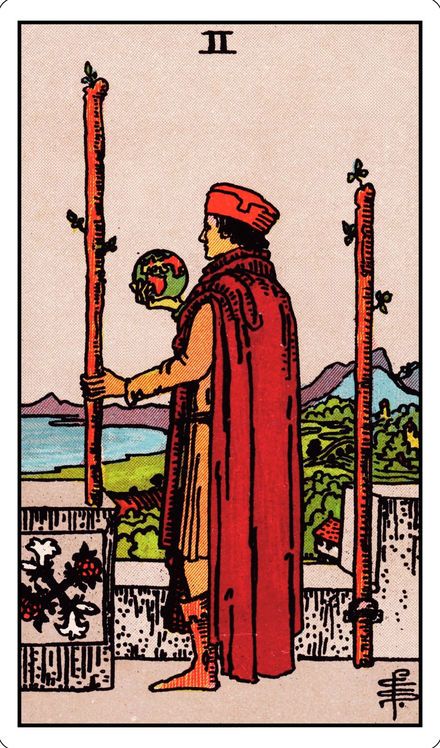
| Two of Wands | yes | no |
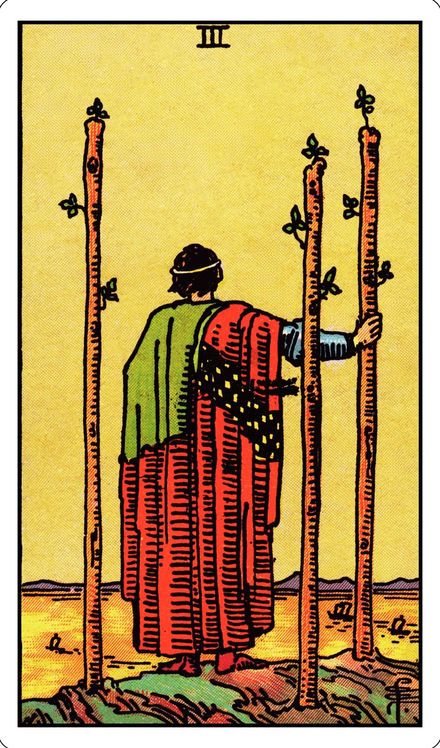
| Three of Wands | yes | no |
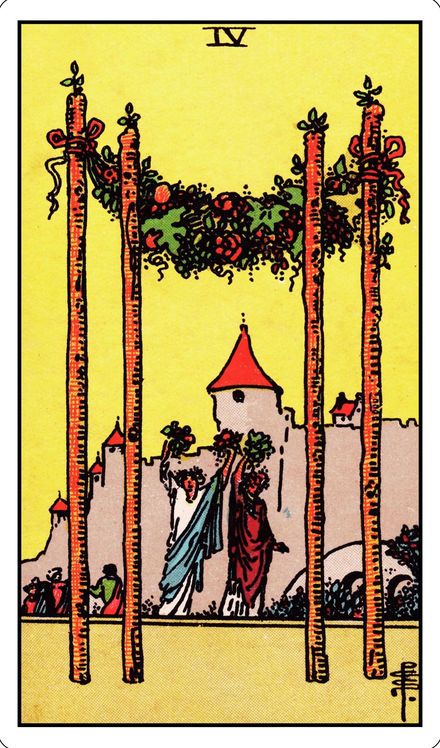
| Four of Wands | yes | maybe |
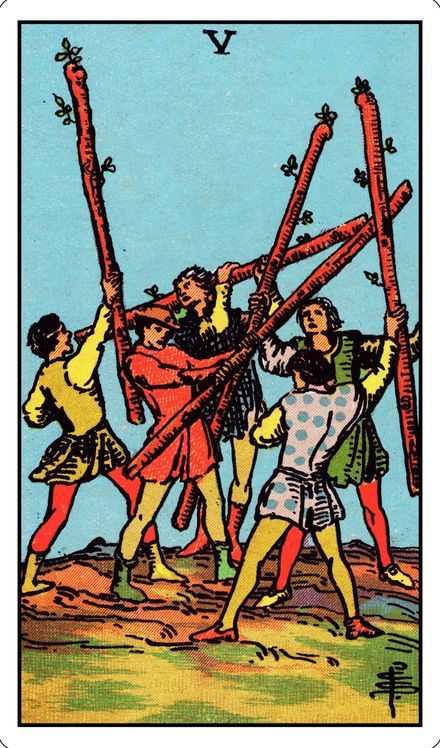
| Five of Wands | maybe | no |
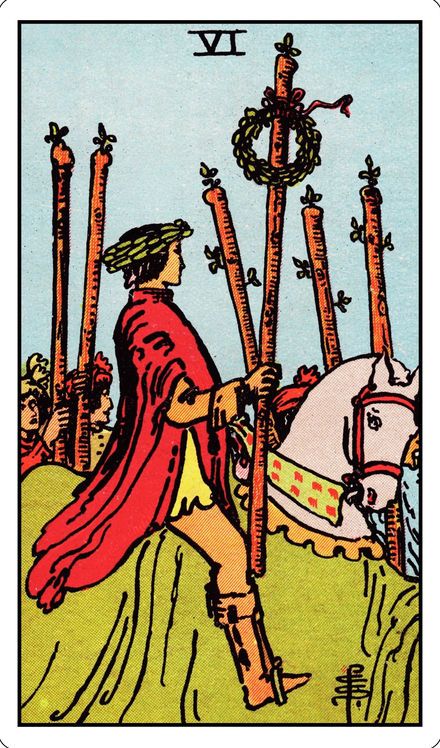
| Six of Wands | yes | no |
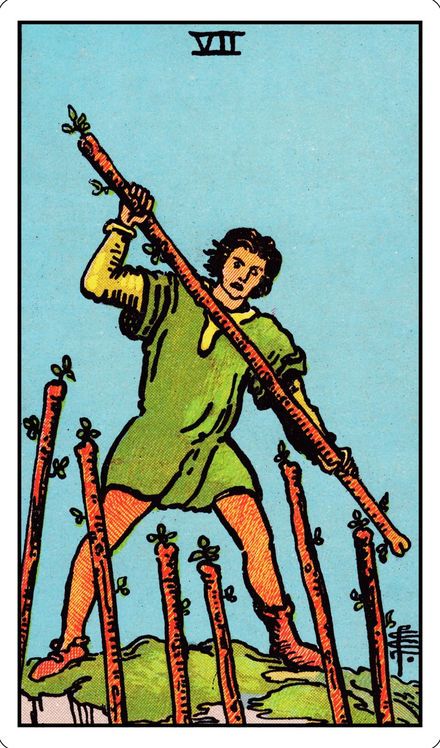
| Seven of Wands | yes | no |
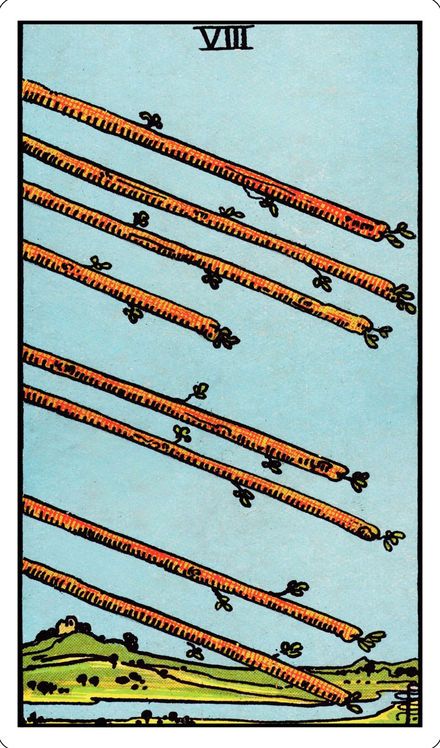
| Eight of Wands | yes | no |
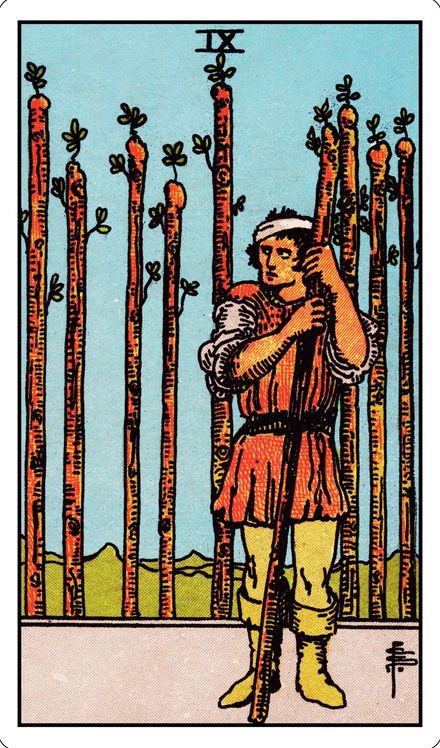
| Nine of Wands | yes | no |
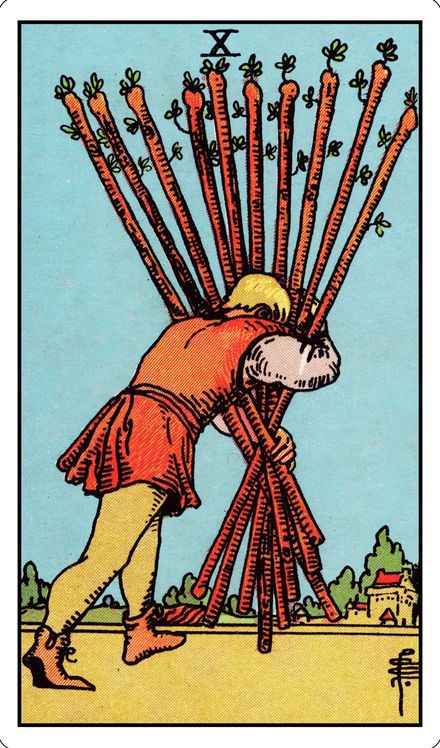
| Ten of Wands | no | yes |
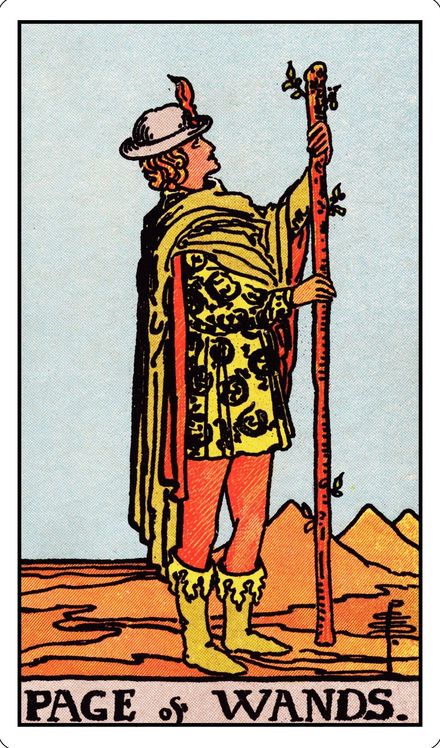
| Page of Wands | yes | no |
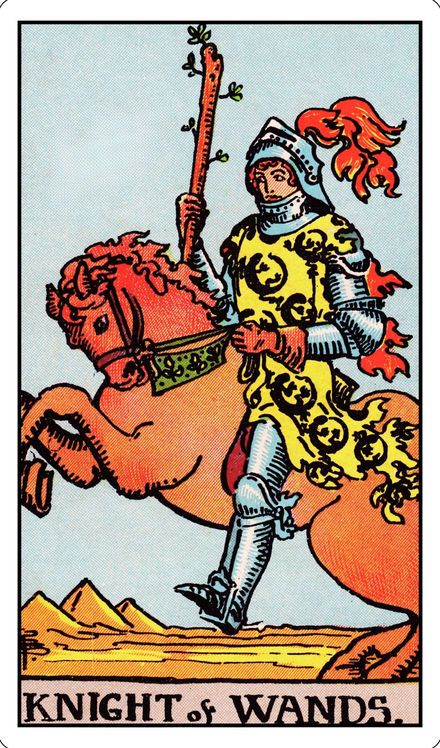
| Knight of Wands | yes | no |
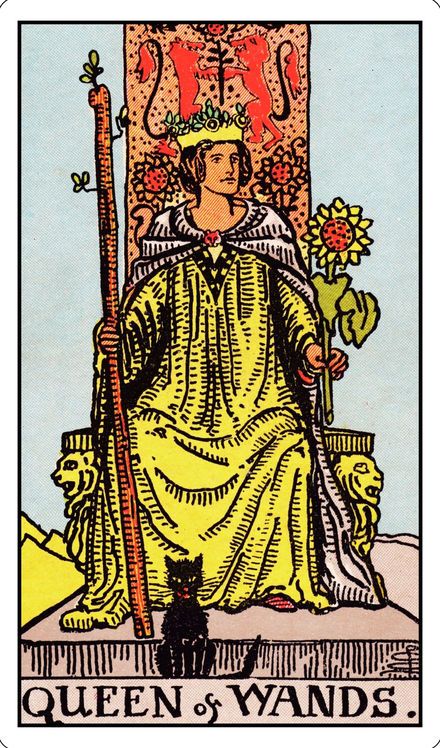
| Queen of Wands | yes | no |
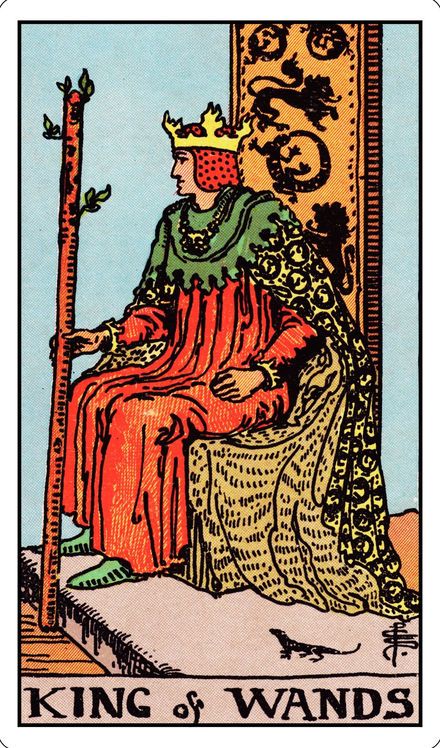
| King of Wands | yes | no |
What the leaning is reading
A card does not know your question. What it shows is a situation, and the leaning is a reading of whether that situation supports the thing you described. The Eight of Swords leans no because the figure in it has not yet noticed the blades are not touching her. The no comes from the picture. That is why the same card can answer yes to "will this end" and no to "should I stay".
This matters for how much weight to put on a single pull. A leaning drawn against a badly formed question is answered accurately and uselessly. If you find yourself asking the same closed question twice in a week, the question is the thing to change.
Why turning a card over usually changes the answer
Reversal moves the deck sharply toward no. 51 cards say yes upright and 10 say yes reversed, and those are almost entirely different cards: 52 of the seventy-eight swap outright between yes and no when they turn over, and only 5 hold the same answer whichever way they land: The Hanged Man, Death, The Tower, The Sun and Four of Pentacles.
That last group is the interesting one. A card that answers the same way in both directions is describing something that does not depend on timing or willingness, which is why The Tower and Death sit there, and why The Sun is the only card in the deck that says yes whichever way up it lands. If you want the four conditions a reversal usually describes, and how to tell which one is in play, reversed tarot cards is the longer treatment.
What a maybe is asking you to do
10 cards lean maybe upright: The High Priestess, The Hermit, Justice, The Moon, Seven of Cups, Two of Pentacles, Four of Pentacles, Seven of Pentacles, Page of Swords and Five of Wands. A maybe is the deck being precise. Each of these describes a situation with a decision still inside it, usually yours: an offer not yet accepted, a choice made with the eyes closed, a set of options nobody has narrowed. Drawing one points you toward the thing the card says is unsettled. Settle it, then ask again if it still matters.
Reversed, 13 cards read as maybe, against 10 upright. Reversals describe conditions, and a condition tends to hold an answer open. Read a reversed spread for what is in the way, and leave the door where it is.
Questions that produce a yes worth nothing
Three shapes come back reliably unhelpful. Questions about what another person will do, because the card reads the situation and cannot see their choice. Questions with a hidden second question inside them, where "should I take the job" is standing in for "am I allowed to leave". And questions asked to be talked out of something, which get answered, and then get asked again in different words.
The version that works is narrow and about you: what would happen if I did this, what am I not looking at, what does this situation support. Those get a leaning you can do something with, and the explanation on each card page is written to be read against that kind of question.
Common questions
- Which tarot cards mean yes?
- Of the 78 cards, 51 lean yes upright, 17 lean no, and 10 sit at maybe. Reversed, the deck turns cautious: 10 yes, 55 no, and 13 maybe. The Sun is the only card that leans yes in both directions. A leaning is something to reflect on. It does not decide for you.
- Does a reversed card mean no?
- Usually, though reversal is no simple minus sign. 52 of the 78 cards swap between yes and no when they land upside down, and 5 give the same answer either way: The Hanged Man, Death, The Tower, The Sun and Four of Pentacles. A reversal describes a condition, and most conditions that block a card from acting also block the thing you asked about.
- Can tarot answer a yes or no question?
- It can offer a leaning, and the leaning is the smallest part of the answer. A closed question gets a one-word reply with a reason attached, and the reason is what tells you whether the yes is worth having. The card reflects your situation. It cannot predict the outcome or decide for you. Questions about what someone else will do produce the least useful answers, because the card describes the situation and has no view of their decision.
One card and one leaning is the fastest reading there is, and the least forgiving. If you want the full meaning of any card here, upright and reversed, in love, work, and money, it is on that card's page in the card meanings. If you want the half of reading that a leaning cannot reach, which is what cards do beside each other, how to read tarot covers it. If the question you brought is not a closed one at all, tarot card of the day is the other one-card practice: no question, one image, read against the day. The arcana hubs are here too: Major Arcana and Minor Arcana.
There is also a page on what Reflecta is, if the waitlist is a step too early.