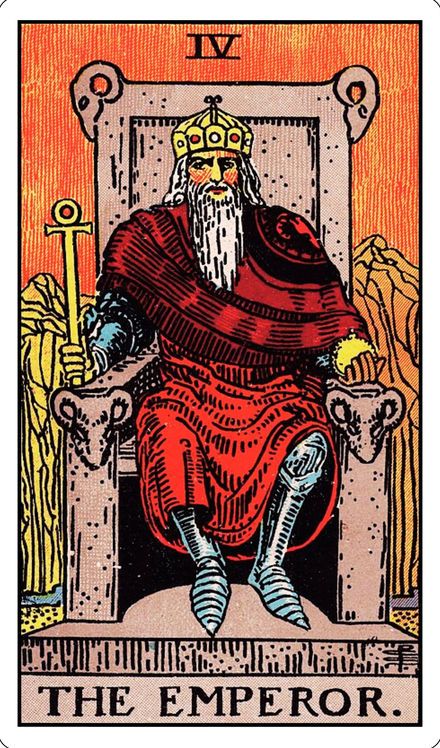
Major Arcana · 4
The Emperor
- authority
- structure
- stability
- leadership
The Emperor stands for structure that holds when willpower gives out. He represents authority, boundaries, and the everyday systems that make things repeatable. Upright he favors discipline and taking responsibility instead of waiting to be led. Reversed he points to control mistaken for order, rigidity, or authority someone has stopped earning.
- Element
- Fire
- Astrology
- Aries
- Numerology
- 4, the number of a stable base
- Yes or no
- yes
The usual complaint about The Emperor is that he is cold. He is certainly not warm. But that reading usually comes from mistaking a limit for a rejection, and that mistake is exactly what the card is about.
Look at where he sits: a stone throne in front of bare mountains, and he is still wearing armor. None of it is comfortable, and that is on purpose. He makes the case that someone has to hold things together, that doing so is a job more than a privilege, and that without it everyone gets worn out from deciding everything again each morning.
The Emperor upright meaning
Structure holds when your willpower runs out.
The Emperor can seem unfashionable, and he is one of the most useful cards. Waite called him executive power and realization, the power of this world. His meanings were stability, power, protection, reason, conviction, authority, and will. His point is that motivation is unreliable and systems are not. What you want probably fails for lack of a boundary, and wanting it more will not fix that. He shows up for people trying to fix a structural problem with more effort. His second subject is responsibility, taken without being handed over. The Emperor does not wait to be put in charge. In a reading, this often means the unwelcome realization that nobody is coming to sort this out, and now it is yours. It might be a job, a family, or a mess someone else made. He is also plainly a card about boundaries, the practical kind: what you will do, what you will not, and what happens when someone tests it. He only seems cold if you mistake limits for rejection.
The Emperor reversed meaning
Rigidity mistaken for strength, or authority that is not earned.
Reversed, The Emperor usually means control has taken the place of structure, and the difference matters. Waite's reversal was surprisingly soft: kindness, compassion, and credit, along with obstruction and immaturity. Structure holds its shape when you are not watching it. Control needs constant attention, and it creates the very fragility it was meant to prevent. If a plan cannot survive a change in circumstances, it may have been rigid all along. The other reading is about authority: someone using power they do not really have, or keeping power they no longer deserve. That could be a boss, a parent, an institution, or you. The card tends to appear when the person with the title has stopped being the person doing the work. There is also a softer and common version: no structure at all. No routine, no boundaries, everything decided from scratch every day. The exhaustion that follows gets mistaken for a personality trait, when it is really a design problem.
A reversal is rarely the upright card's opposite. Reversed tarot cards covers the four conditions a reversal usually describes, and how to tell which one a spread is asking for. Every card's reversed meaning sits beside its upright one on reversed tarot card meanings.
The Emperor in Waite's 1910 key
The meanings above are Reflecta's reading. These are the ones A. E. Waite gave in The Pictorial Key to the Tarot (1910), the guide he wrote for the deck Pamela Colman Smith drew. He wrote them for fortune-telling, a use tarot took on centuries after it began as a card game in fifteenth-century Italy. Some of his words are blunt, and none of them can tell you what will happen.
- Upright
- Stability, power, protection, realization; a great person; aid, reason, conviction; also authority and will.
- Reversed
- Benevolence, compassion, credit; also confusion to enemies, obstruction, immaturity.
Symbolism in the card
- The stone throne, carved with rams
- Waite says the arms of his throne are fronted by rams' heads. It is a hard, plain seat. Authority here is a hard position, taken because someone has to fill it.
- The armor under his robe
- He is still dressed for a fight he is not having. Read kindly, that is being prepared. Read honestly, it is a man who has not learned how to stop defending himself. The card warns about this in itself.
- The barren mountains behind him
- Nothing grows there. His landscape is the opposite of The Empress's field, and that is on purpose. Structure alone does not create life. It makes a place where life can be protected.
The Emperor in love and relationships
Upright. Commitment, clear terms, and a relationship where both people know what they agreed to. It is far from the most romantic reading, and it favors stability and follow-through. It can point to a partner who provides, or to you being that partner.
Reversed. Control dressed up as care. The card may point to decisions made for someone, or a relationship where one person sets all the terms. Notice who decides, and how that feels. It can also mean the opposite: two people with no agreements at all, worn out from renegotiating everything.
The Emperor in career and work
Upright. Leadership, promotion, or a role that needs someone to bring order. Strong for anything involving process, law, operations, or building a team. The card favors taking responsibility before anyone asks you to.
Reversed. A micromanaging boss, an organization whose rules have outlived their purpose, or your own perfectionism dressed up as high standards. If delegating feels impossible, that may be the reading.
The Emperor in money
Upright. Budgets, systems, and long-term planning. With money, the card favors systems over willpower, because systems hold when memory and mood do not. For specifics, a qualified advisor knows your situation and the card does not.
Reversed. Money used to control another person, or rigidity that costs you: refusing to spend on anything, or a plan so fixed that one surprise breaks it.
The Emperor as feelings
Upright. As feelings, The Emperor describes something serious, protective, and committed, shown through actions more than words. It can point to someone who is bad at saying they care and lets their reliability say it instead. The card cannot confirm another person's heart. Consistent behavior over time is the better evidence.
Reversed. Reversed, it can describe feelings so guarded that the person feels unavailable, or care that comes out as managing you. It may also point to someone who fears that being vulnerable means losing status. The card describes a pattern to notice. Only the person can speak for what is underneath.
Is The Emperor a yes or a no?
Upright, it leans yes. Reversed, it leans no.
Upright he leans yes, with conditions, and the conditions matter. Yes, if you are ready to do it properly, with structure, and to own the result. He does not favor winging it. Reversed he leans no. Often the plan is rigid instead of strong, or someone is using authority they do not really hold. Test either leaning against the facts.
Every card's leaning in one table, upright and reversed, is on yes or no tarot, along with what a maybe is asking you to do.
The Emperor as a birth card
1,096 of the 36,890 dates between 1925 and 2025, 3.0% of them, give The Emperor as a birth card on its own, with nothing under it: a number below 10 is where the reduction stops. It also turns up as the second card beneath Death, because 13 reduces to 4.
Which card is yours comes from your birthday rather than from the deck. The tarot birth card calculator runs the reduction on a date of birth and shows every step of it. The date stays in the browser.
The Emperor card combinations
- +The Emperor and The Empress
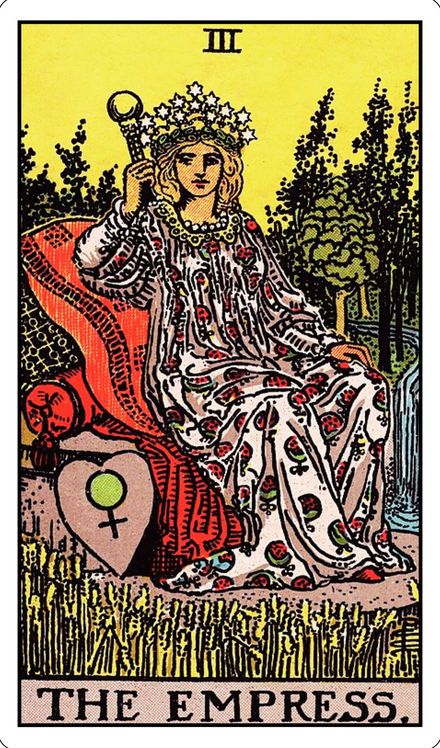
- The deck's most direct opposite: structure and nurture together. The reading usually turns on which one is missing. In balance they build something lasting. If one is reversed, it shows which side is doing all the work.
- +The Emperor and The Hierophant
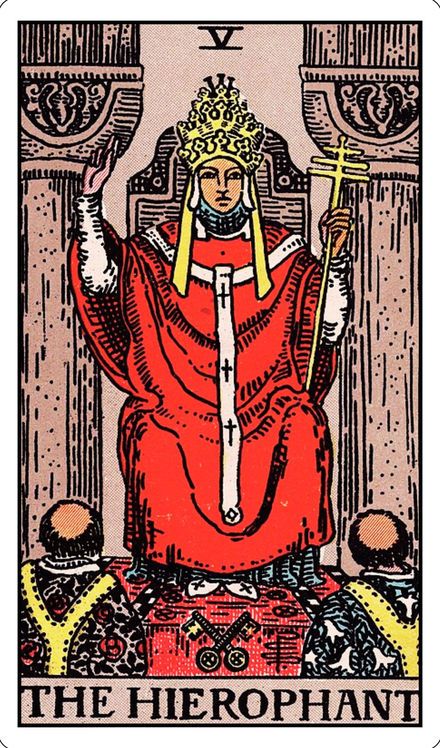
- Personal authority meets institutional authority. Often a marriage, a contract, or a formal arrangement. It suggests making things official, and that the paperwork may matter more than it seems.
- +The Emperor and The Tower
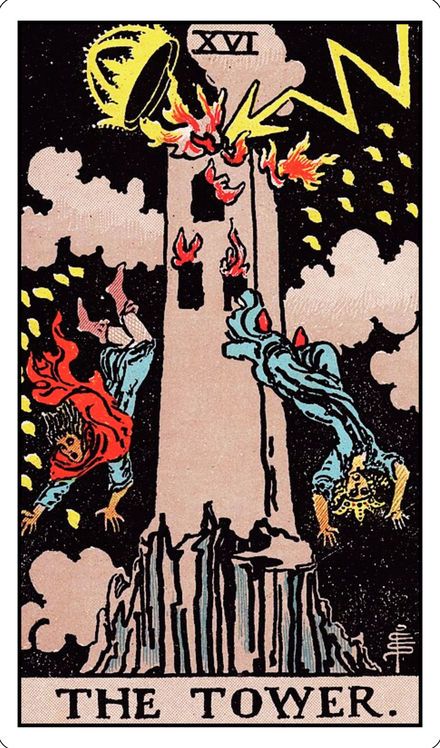
- The structure failing. Uncomfortable, and often overdue. The Tower tends to bring down things held up by force instead of soundness, which is exactly the reversed Emperor's weakness.
- +The Emperor and Death
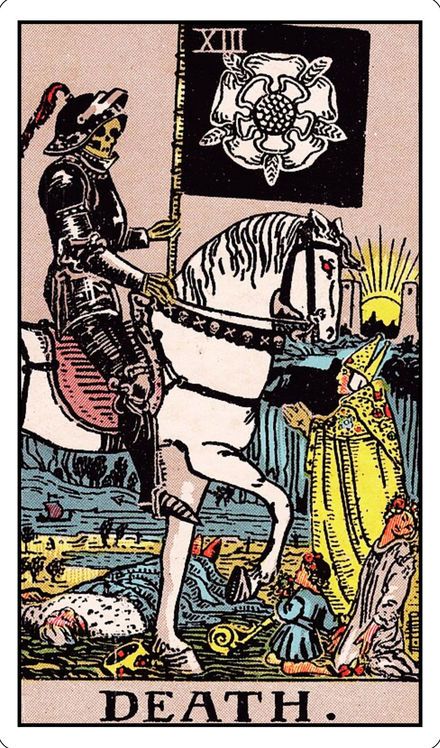
- An ending you need to decide on. Together they favor taking something apart on purpose before it collapses. That is often the less painful route.
Every pairing on this site, The Emperor's included, is collected on tarot card combinations.
I can build something that holds without me watching it.
The Emperor: common questions
- What does The Emperor mean in tarot?
- He stands for structure that holds when willpower runs out. He covers authority, boundaries, responsibility, and the systems that make things repeatable. Waite's meanings were stability, power, protection, and reason. Upright he favors discipline. Reversed he points to rigidity mistaken for strength, or authority someone has not earned.
- Is The Emperor a good card in a love reading?
- It is a stable card more than a romantic one. Upright it favors commitment, clear terms, and a relationship both people can rely on. Reversed it points to control dressed up as care, or to two people with no agreements at all who are worn out from renegotiating everything.
- What is the difference between The Emperor and The Hierophant?
- The Emperor's authority is his own, built by taking responsibility. The Hierophant's authority comes from an institution and its traditions. One makes decisions, and the other passes on teachings. Together they often point to making official something that has been informal.
- What does The Emperor reversed mean?
- Usually control that has replaced structure. Structure holds when nobody is watching it. Control needs constant attention and becomes fragile. It also points to authority used without being earned, or to no structure at all, which gets mistaken for a personality flaw when it is really a design problem.
There is also a page on what Reflecta does with a reading once the cards are down.