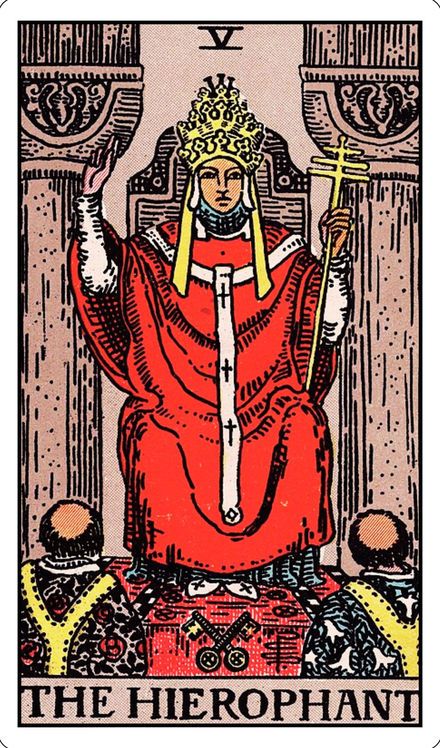
Major Arcana · 5
The Hierophant
- tradition
- guidance
- knowledge
- conformity
The Hierophant suggests the established way exists for a reason, and this may be the time to use it. He covers tradition, mentors, institutions, and shared beliefs. Upright he favors learning from what already works instead of making it up as you go. Reversed he points to following convention after it has stopped being useful, or an institution that no longer deserves your trust.
- Element
- Earth
- Astrology
- Taurus
- Numerology
- 5, the disruption that tests a structure
- Yes or no
- yes
Two ministers kneel in front of him, and he is passing something down to them. That is the whole idea of the card, and it can sit uncomfortably today. We are taught to admire the person who figured it out alone.
The Hierophant makes the less romantic case. Most things worth knowing were worked out long ago by people who paid a high price to learn them. You can receive that knowledge without paying the price again. But it means being a student, and most adults quietly stopped being willing to do that.
The Hierophant upright meaning
The established way exists for a reason, and it may be worth using.
Waite called him the ruling power of outward religion, as the High Priestess is the hidden, inward kind. His meanings were marriage, alliance, captivity, and servitude, and by another account mercy, goodness, and inspiration. The Hierophant argues for the well-worn route, and that argument is unfashionable, so he is easy to dismiss. But his real claim is narrow and hard to argue with: someone has already solved this. Refusing their solution on principle makes the road longer without making it more original. He shows up for people improvising something that already has a known method. His second subject is mentorship. This is instruction more than inspiration: being taught by someone further along, and accepting the role of student. That means giving up the pleasure of being the smartest person in the room. He also covers institutions in the plain sense: universities, churches, professions, marriage, and the law. When he appears, the formal version of something may matter more than it seems. Getting it in writing and doing it properly is often what he is pointing at.
The Hierophant reversed meaning
Convention followed long after it stopped being useful.
Reversed, The Hierophant is the card of a rule that no longer has a reason. Waite's reversed meanings were society, understanding, harmony, too much kindness, and weakness. Something is done because it has always been done, and nobody involved can explain why. It might be a family expectation, a professional norm, a religious inheritance, or a work process that outlived the problem it was built to solve. The reversal is not an automatic call to rebel. It asks what the rule was for. Some conventions turn out to hold real weight, and some are just decoration. The harder reading is about institutions that have failed the people inside them: an authority that demands trust it no longer earns. When that is the reading, the card is direct about it. There is also a personal version, common in creative work. You have taken in so much instruction that you can no longer hear your own opinion.
A reversal is rarely the upright card's opposite. Reversed tarot cards covers the four conditions a reversal usually describes, and how to tell which one a spread is asking for. Every card's reversed meaning sits beside its upright one on reversed tarot card meanings.
The Hierophant in Waite's 1910 key
The meanings above are Reflecta's reading. These are the ones A. E. Waite gave in The Pictorial Key to the Tarot (1910), the guide he wrote for the deck Pamela Colman Smith drew. He wrote them for fortune-telling, a use tarot took on centuries after it began as a card game in fifteenth-century Italy. Some of his words are blunt, and none of them can tell you what will happen.
- Upright
- Marriage, alliance, captivity, servitude; by another account, mercy and goodness; inspiration; the man to whom the Querent has recourse.
- Reversed
- Society, good understanding, concord, over-kindness, weakness.
Symbolism in the card
- The two ministers kneeling before him
- Waite describes two priestly ministers kneeling before him. Knowledge is being passed down. Nobody has to discover it from scratch. Someone already worked this out, and you can learn it without repeating their mistakes.
- The crossed keys at his feet
- Waite calls him the power of the keys. Access, controlled by an institution instead of a person. Someone decides who gets in. That is either reassuring or the problem, depending on which side of the door you are on.
- His raised hand in blessing
- Waite calls it the sign that separates the open part of a doctrine from the hidden part. He notes that the High Priestess makes no sign at all. His authority is public, and it comes from his institution.
The Hierophant in love and relationships
Upright. Commitment made formal and public: marriage, meeting families, moving in, or a relationship taking the shape the people around you recognize. The card favors the traditional next step, the kind others can see.
Reversed. A relationship judged against a template it does not fit, or two people staying in an arrangement that no longer suits them because leaving would be unconventional. It can also mean a partnership that works precisely because it ignores the usual rules.
The Hierophant in career and work
Upright. Training, qualifications, mentorship, or joining an established organization. Strong for anything that needs credentials. The card favors doing it the recognized way and learning from someone senior instead of figuring it out alone.
Reversed. A workplace whose processes have outlived their purpose, or a field where the credential no longer tells you who is good. It can also be the moment you realize you have outgrown a mentor.
The Hierophant in money
Upright. Convention as a resource. With money, the card favors the established, well-explained route over clever improvising. It points toward qualified advice from someone who knows your situation. Unexciting, and often that is the point.
Reversed. Following financial convention that may not fit your situation, or trusting an institution that has not earned it. Reversed, the card asks you to read the terms yourself.
The Hierophant as feelings
Upright. As feelings, The Hierophant describes something serious and focused on commitment. The person is thinking about the long shape of a life, beyond this month, and wants it to be recognized. The card cannot speak for another person. It can describe the kind of feeling to notice in how they act.
Reversed. Reversed, it can describe feelings held back by what someone thinks they should want, where family, faith, or friends do part of the deciding. The card cannot tell you whose wishes are whose. It can hand you the question to think about.
Is The Hierophant a yes or a no?
Upright, it leans yes. Reversed, it leans no.
Upright he leans yes when the question is about the usual route: the course, the qualification, the marriage, or the proper channel. For anything new or unconventional, the yes is weaker. Reversed he leans no to doing it the expected way. That can sit alongside a yes to the goal itself, reached another way. Treat the leaning as a prompt. The decision is yours.
Every card's leaning in one table, upright and reversed, is on yes or no tarot, along with what a maybe is asking you to do.
The Hierophant as a birth card
3,439 of the 36,890 dates between 1925 and 2025, 9.3% of them, give The Hierophant as a birth card on its own, with nothing under it: a number below 10 is where the reduction stops. It also turns up as the second card beneath Temperance, because 14 reduces to 5.
Which card is yours comes from your birthday rather than from the deck. The tarot birth card calculator runs the reduction on a date of birth and shows every step of it. The date stays in the browser.
The Hierophant card combinations
- +The Hierophant and The Emperor
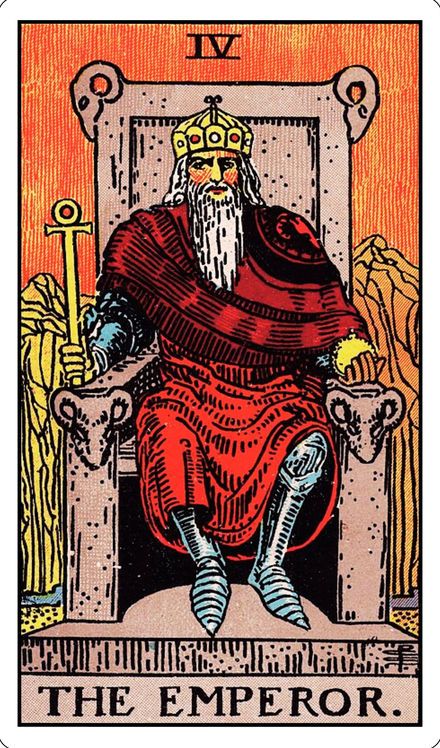
- Institutional authority meets personal authority. Usually a formal arrangement: a contract, a marriage, or a partnership made official. It suggests the paperwork may matter more than it looks.
- +The Hierophant and The Lovers
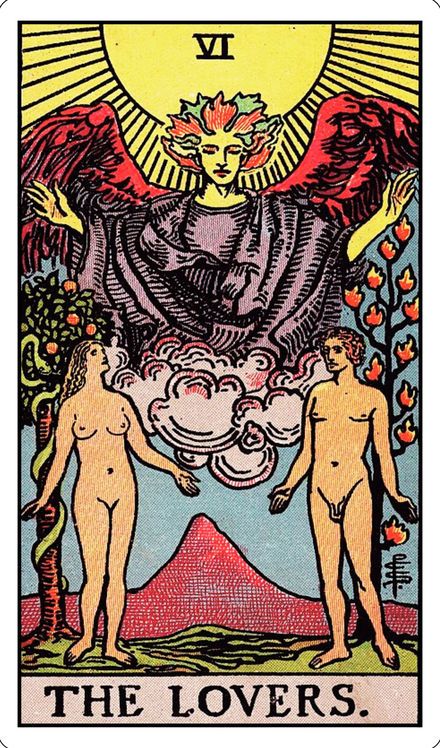
- The classic marriage pairing. More broadly, a choice made within a set of values. It asks whether the commitment is truly yours or inherited, which is a more useful question than it sounds.
- +The Hierophant and The High Priestess
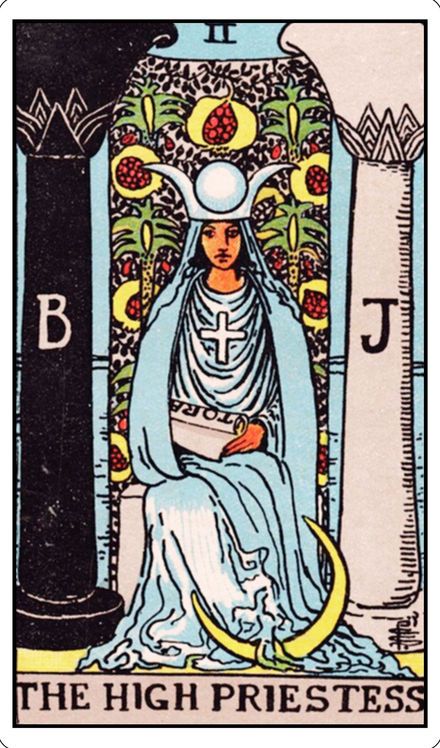
- What you were taught versus what you sense. This pairing shows up when the two disagree. It usually favors the quieter one, your own sense, while respecting that the louder one had its reasons.
- +The Hierophant and The Tower
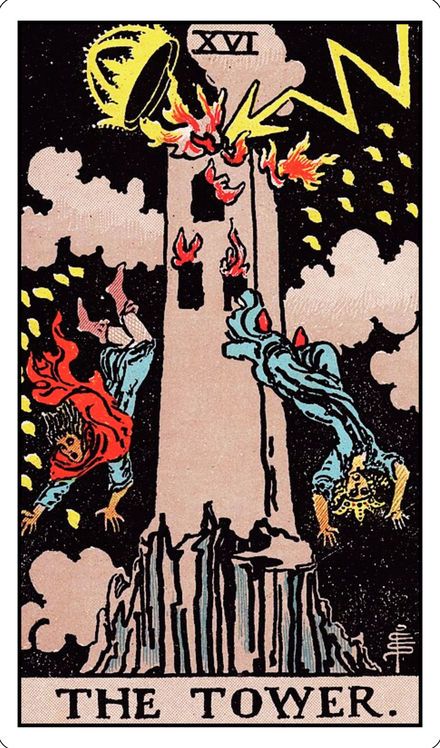
- An institution or belief system falling apart. Often a loss of faith in something that organized your life. That can be far more disorienting than the thing itself seems to warrant.
Every pairing on this site, The Hierophant's included, is collected on tarot card combinations.
I can learn from what came before me without being bound by it.
The Hierophant: common questions
- What does The Hierophant mean in tarot?
- He suggests the established way exists for a reason, and this may be the time to use it. He covers tradition, mentors, institutions, and shared beliefs. Waite's meanings included marriage and alliance, mercy, and inspiration. Upright he favors learning a proven method instead of improvising. Reversed he points to convention that has outlived its purpose.
- Does The Hierophant mean marriage?
- He is the Major Arcana card most linked to formal commitment. In a love reading he tends to point toward marriage, meeting families, or a relationship becoming public. Paired with The Lovers, that theme gets stronger. The card reflects the question of commitment. It cannot promise a proposal.
- What does The Hierophant reversed mean?
- A rule with no reason left. Something done because it has always been done, where nobody can explain why. It can also mean an institution that demands trust it no longer earns, or taking in so much instruction that you cannot hear your own judgment.
- Is The Hierophant a negative card?
- People who value independence often read it that way, and that is unfair. His point is narrow and reasonable: someone already solved this. Refusing their solution on principle just makes the road longer. He only becomes a problem when the convention has outlived its purpose.
There is also a page on what Reflecta does with a reading once the cards are down.