One card · all 78 · upright and reversed
Tarot card of the day
A card of the day is one card, drawn in the morning, read as a description of the day in front of you rather than as an answer to a question you have already asked. The button below deals one from the full seventy-eight and turns roughly three in ten of them upside down, which is the rate the Reflecta app deals reversals at.
The draw needs JavaScript. If it is off, the deck is at the foot of this page in full and picking one yourself works the same way: choose a card from all seventy-eight.
Nothing is saved and nothing is sent anywhere. The draw is made in your browser, which also means it is yours rather than one card published for everybody reading this page today.
This one goes nowhere once you close the tab. Reflecta is the app this deck belongs to: there a daily pull is kept with the question you asked and what you made of it, and each reading becomes a body in orbit in your own galaxy, around the ones before it. Coming to iOS.
What a single card is for
One card cannot tell you what to do, because there is nothing beside it to say what it is answering. What it can do is give you one image to carry around for a day, and that turns out to be the more useful thing for the kind of question a daily practice raises, which is rarely a decision and usually a mood you have not named yet.
The mistake people make with a daily pull is treating it as a small forecast and then checking whether it came true. A card of the day is not a prediction and cannot be scored. It is a prompt with a picture attached, and its accuracy is not the point: the Nine of Swords on a morning you woke up fine is asking a question rather than making a claim.
How to read one card with nothing beside it
In a spread, the position does most of the interpretive work. The card in the outcome slot of a Celtic Cross is answering a question the layout already asked. A single card has no position, so you supply one, and the most useful position to supply is the plainest available: what does this describe about today.
Draw before you have decided what you want
Pull the card first and frame the day second. A card drawn after you have settled on an answer gets read as agreement or as noise, and neither is information.
Say what is in the picture
Before the meaning, describe the image out loud: who is in it, what they are holding, where they are looking, whether anything is moving. Half of what a single card gives you comes from this and is lost if you skip to the keyword.
Fix it to today
Read the card as a description of the next sixteen hours. The Tower over a lifetime is a vague dread; The Tower over a Tuesday is a meeting you have been avoiding.
Write one line and stop
One sentence naming what you think it is pointing at. Longer than that and you are writing the day you expected rather than recording what you drew.
Read the line back in the evening
This is the step that turns a pull into a practice. The card was never predicting the day; the value is in the gap between what you assumed at eight in the morning and what the day turned out to hold.
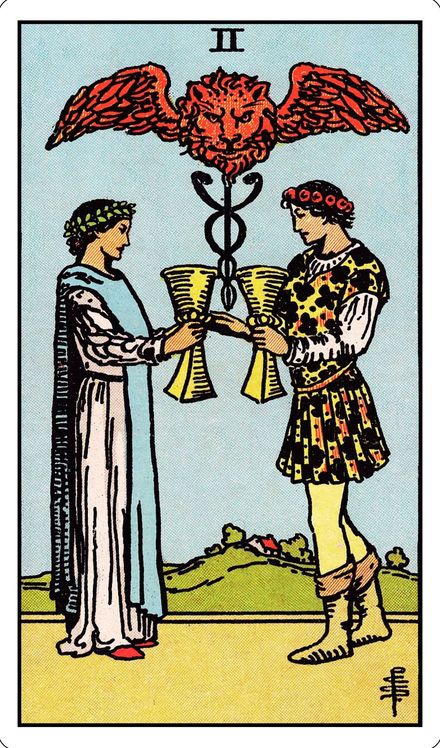
Step two is the one people skip and the one that separates a reading from a lookup. The Rider-Waite-Smith images were drawn to be read, and a person who says "two people are holding cups and looking straight at each other" is already most of the way into the Two of Cups without having consulted anything. The longer method, for when there is more than one card on the table, is in how to read tarot.
Steps four and five are a tarot journal, kept one line at a time. Once there are a few weeks of those lines, they stop being a record of days and start being a record of how you read, which is worth more and needs a little method: keeping a tarot journal covers what to write, the two ways the habit dies, and how to read a year of it back.
Morning or evening
A morning card is a prompt and an evening card is a review, and they are different practices that happen to use the same deck. Drawn at eight in the morning, the card is something to notice things against: you are looking for where it shows up. Drawn at ten at night, the same card is a comment on a day that already happened, and there is no version of that where you are not fitting it to events you can already describe.
Both are worth doing and the morning one is worth more, because the card cannot be bent to a day that has not occurred yet. If you have only got one pull in you, make it the early one, and keep the evening for reading back the line you wrote.
When the same card keeps arriving
A daily practice produces repeats, and it produces them far sooner than people expect. Drawing one card a day from seventy-eight gives you better than even odds of a repeat inside a fortnight, so the third appearance of the Eight of Cups in a month is arithmetic before it is a message. That is the first thing to rule out and the thing almost nobody rules out.
What is worth reading is a repeat you can feel yourself reacting to. A card that keeps arriving and keeps landing badly is usually one whose meaning you have decided in advance, and the useful move is to go back to the picture rather than to the keyword. Repeated tarot cards covers the whole of this, including the shuffling habits that do bias a physical deck toward the same handful of cards.
A card of the day is not a yes or no question
These two get mixed up constantly, and the difference decides whether you get anything useful. A yes or no pull puts a closed question to the deck and reads the card as a leaning on it. A card of the day asks nothing, so there is no leaning to return, and reading one as though there were is how a neutral card gets read as bad news about a thing you were already worried about.
If what you have is a closed question, ask it properly rather than hoping the daily card answers it sideways. Every card's yes, no, or maybe, upright and reversed, is collected on yes or no tarot, along with the argument for treating the one-word answer as the beginning of the reading rather than the end of it.
Draw from the deck yourself
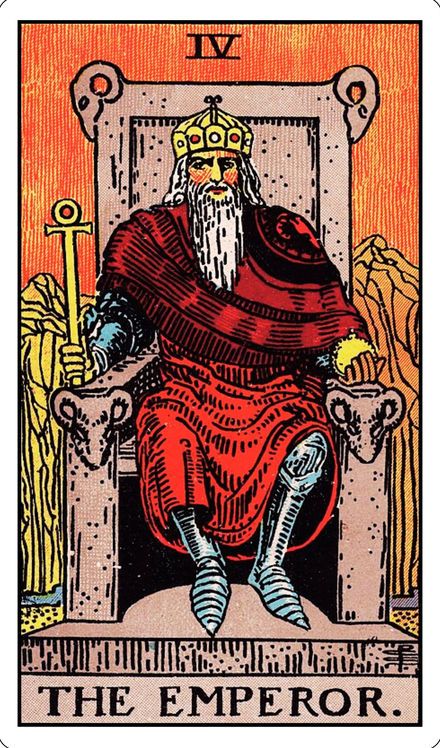
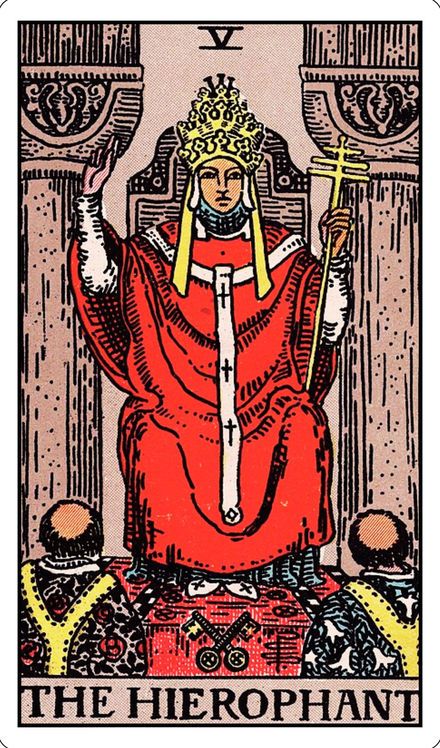
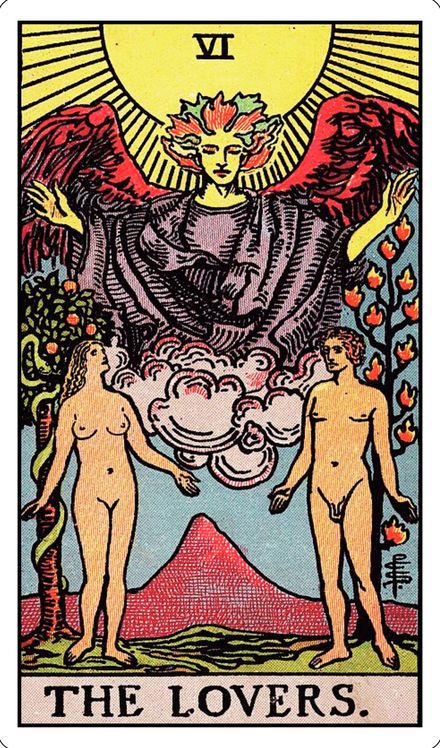
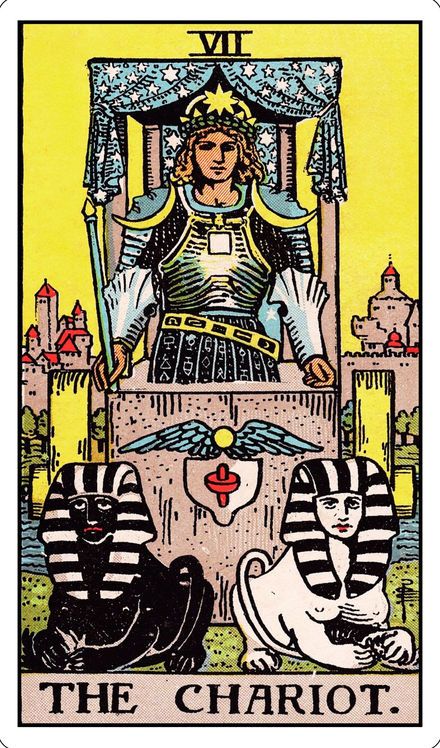
All seventy-eight, in deck order. Every one of them has a page with the upright and reversed meanings in full, what it says in love, career, and money, and what is visible in the Rider-Waite-Smith illustration that the meaning comes from.
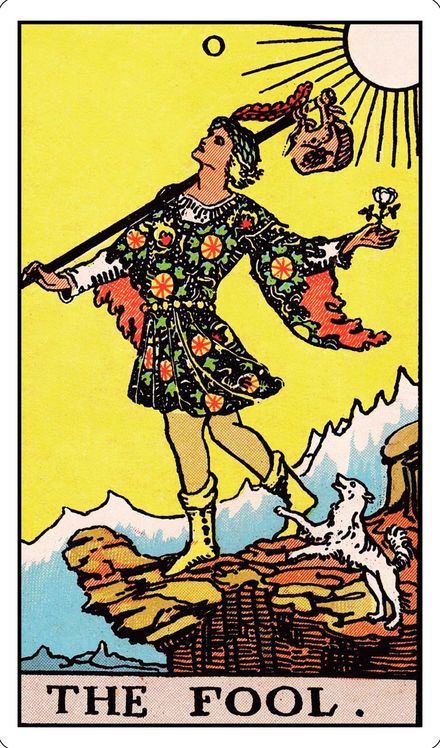
- The Fool
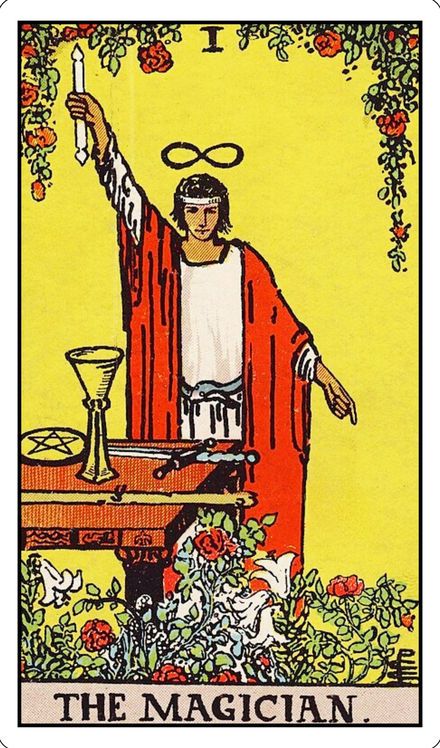
- The Magician
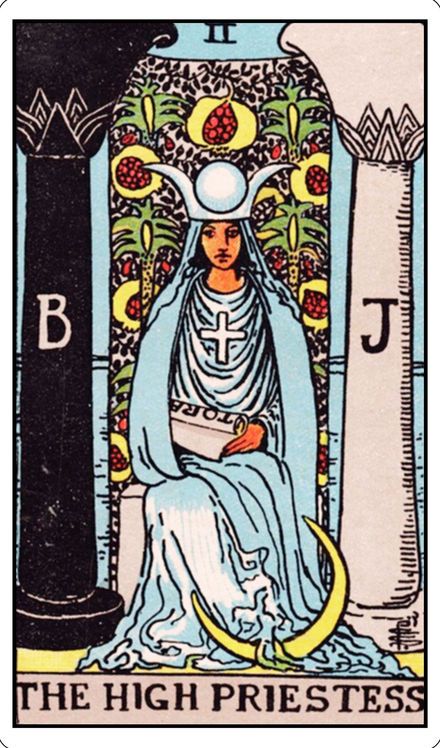
- The High Priestess
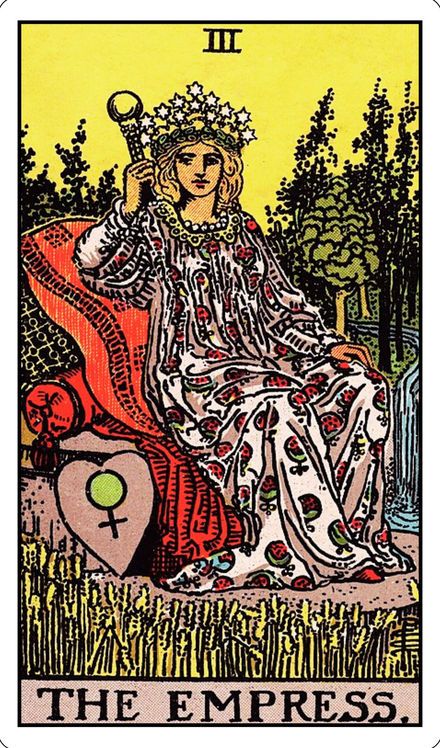
- The Empress
- The Emperor
- The Hierophant
- The Lovers
- The Chariot
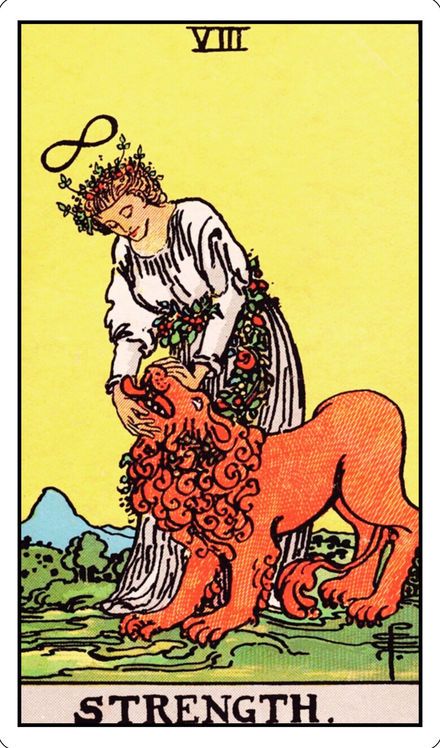
- Strength
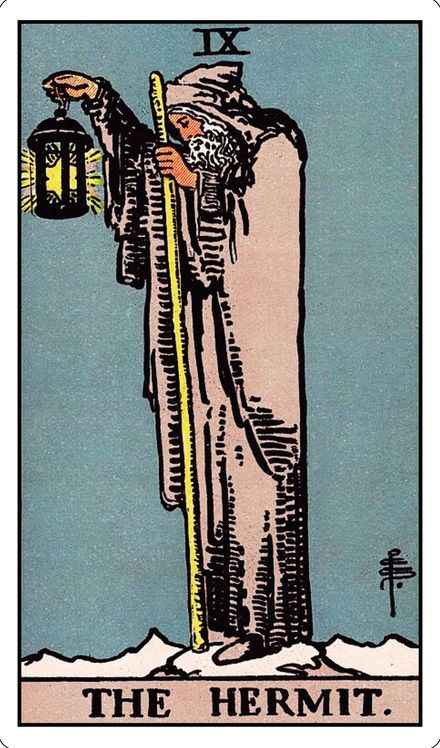
- The Hermit
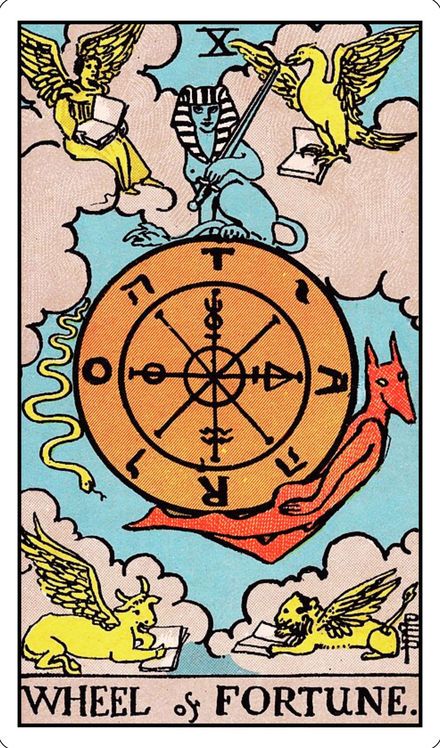
- Wheel of Fortune
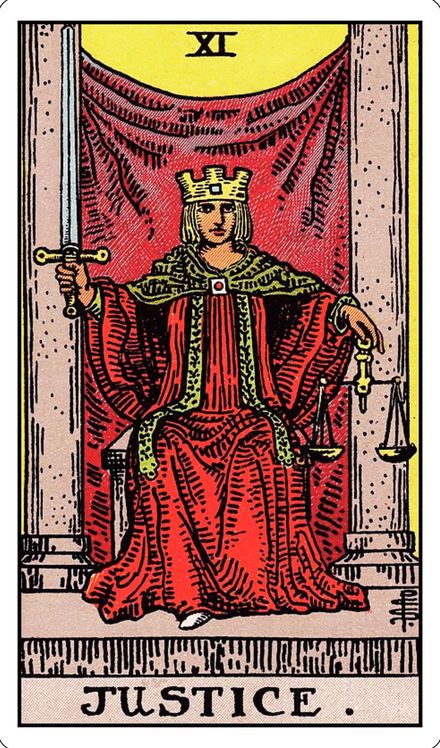
- Justice
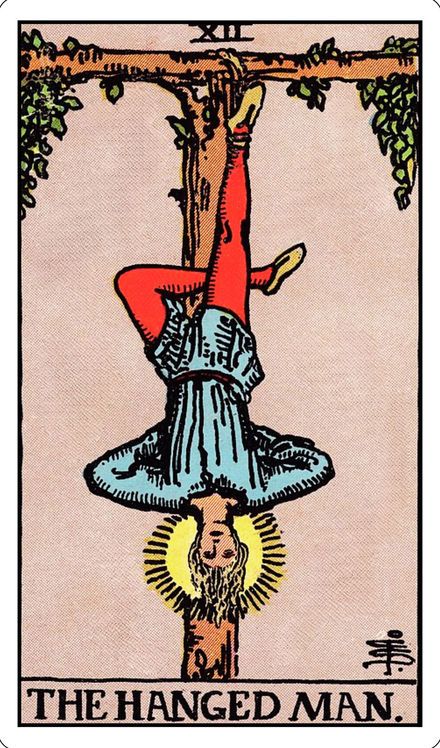
- The Hanged Man
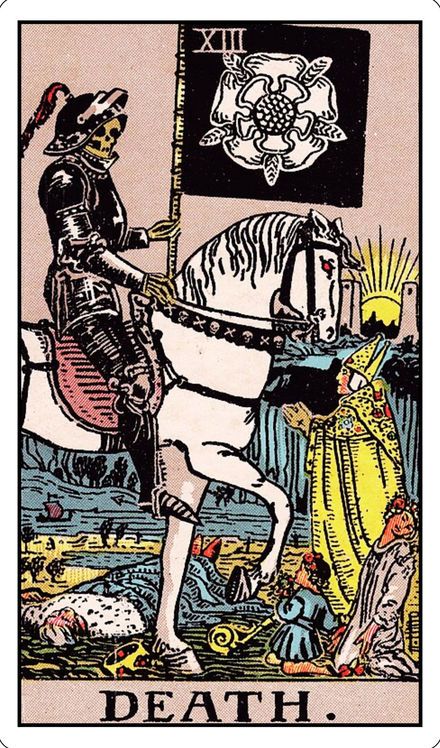
- Death
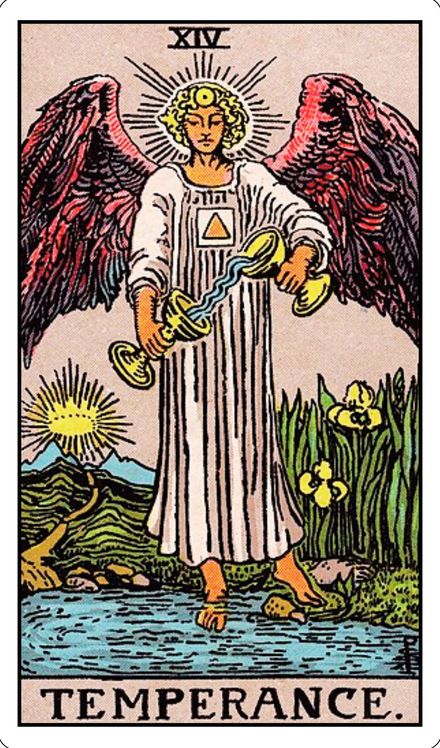
- Temperance
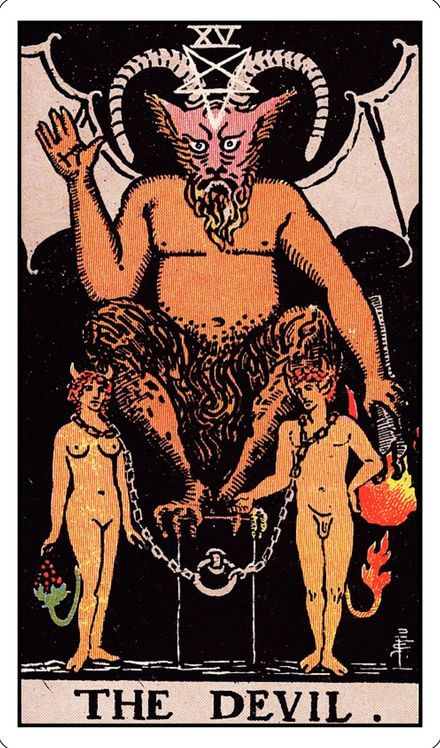
- The Devil
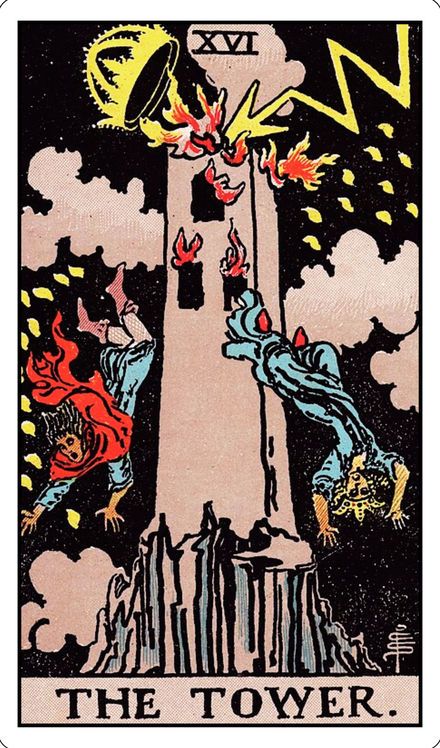
- The Tower
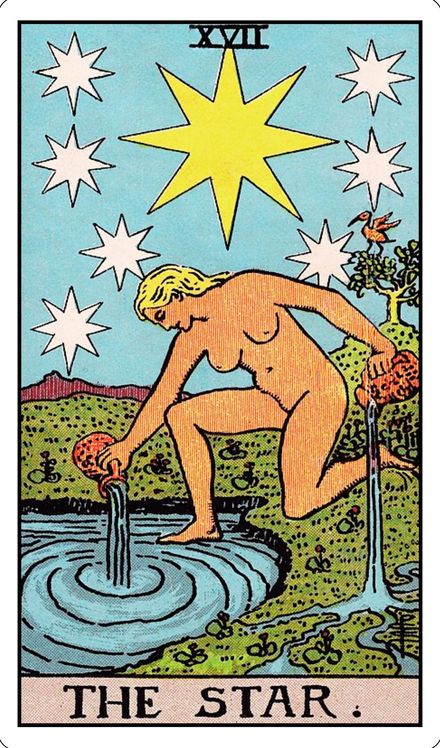
- The Star
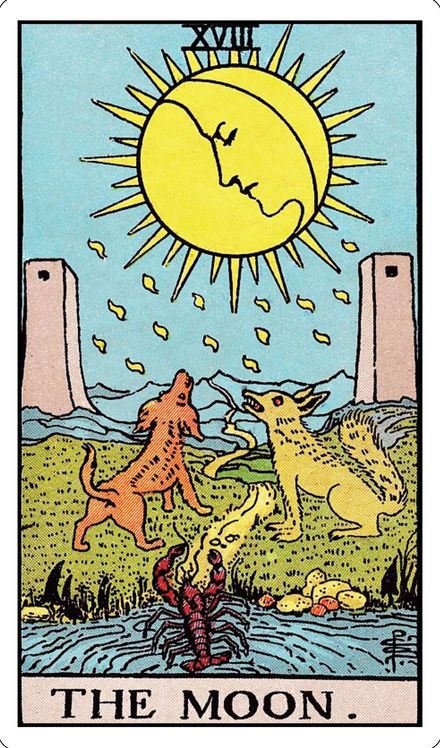
- The Moon
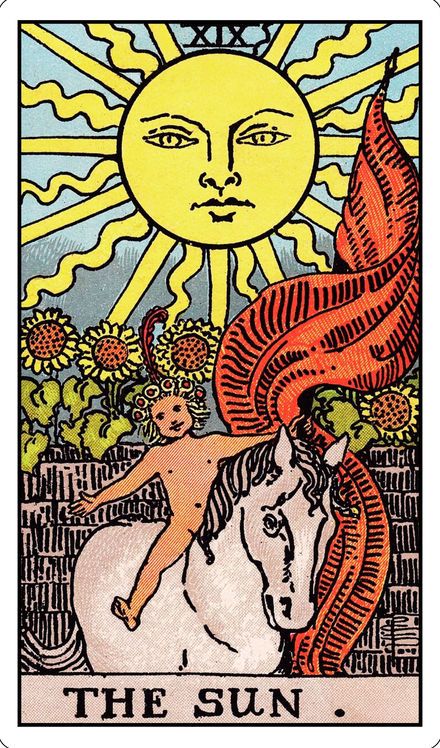
- The Sun
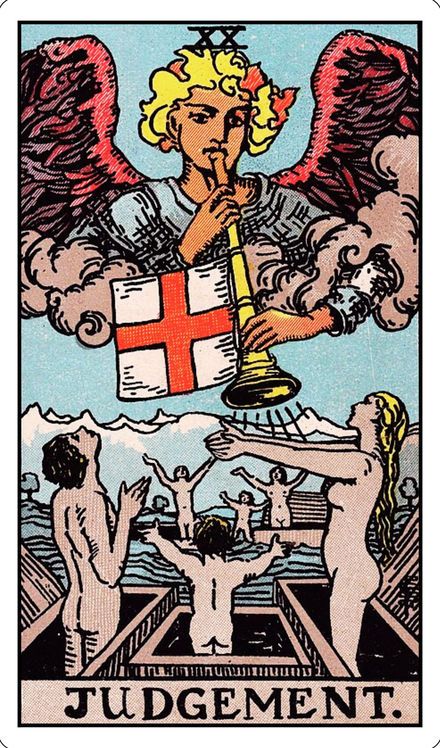
- Judgement
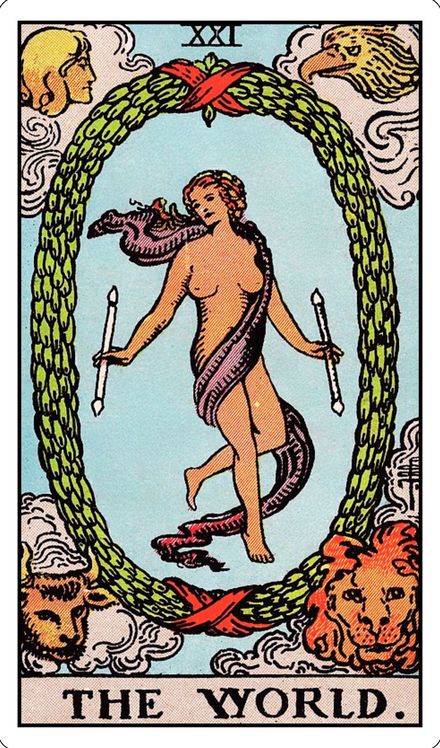
- The World
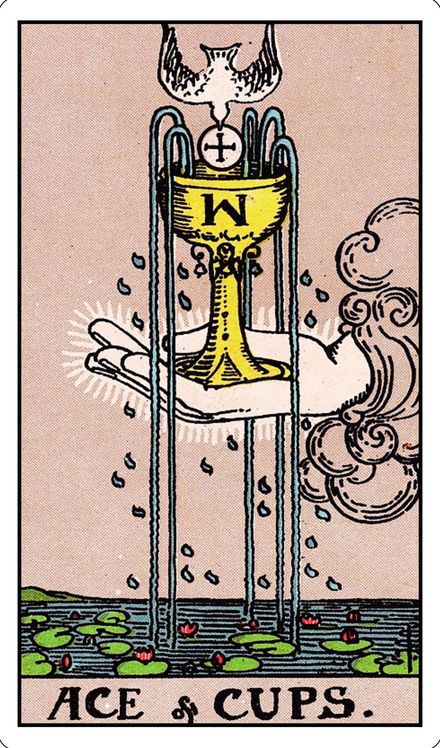
- Ace of Cups
- Two of Cups
- Three of Cups
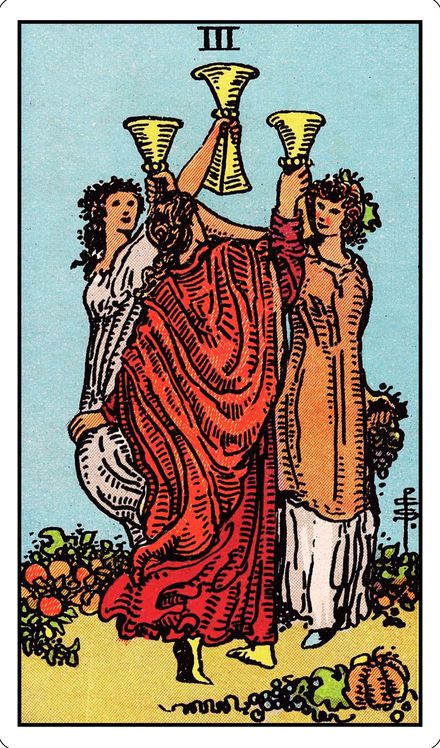
- Four of Cups
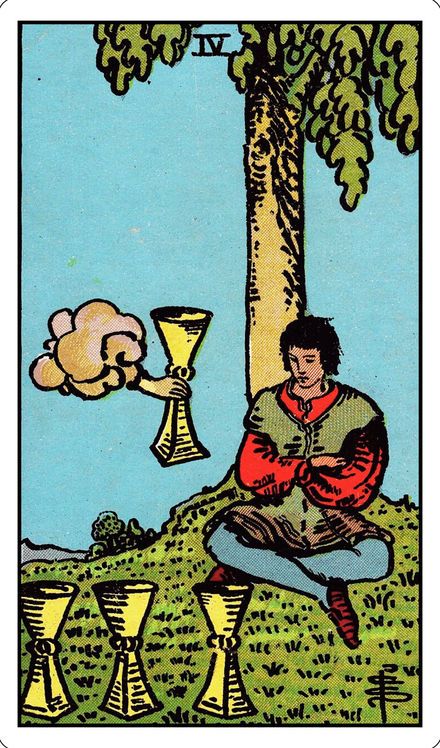
- Five of Cups
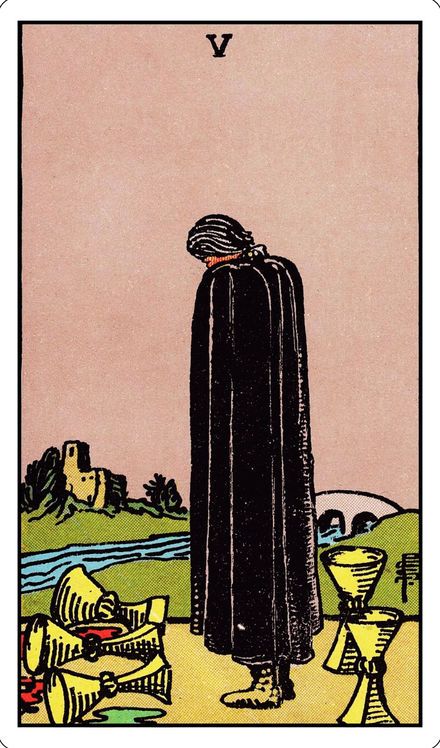
- Six of Cups
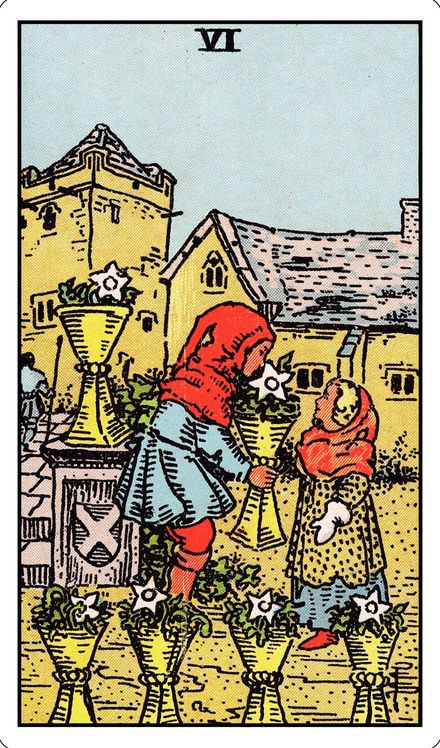
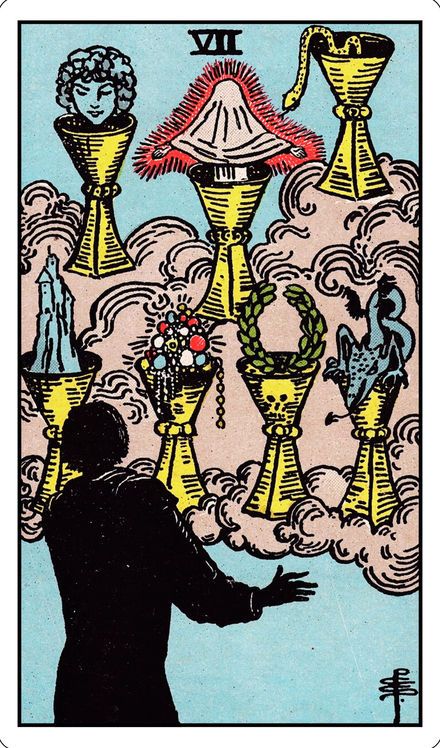
- Seven of Cups
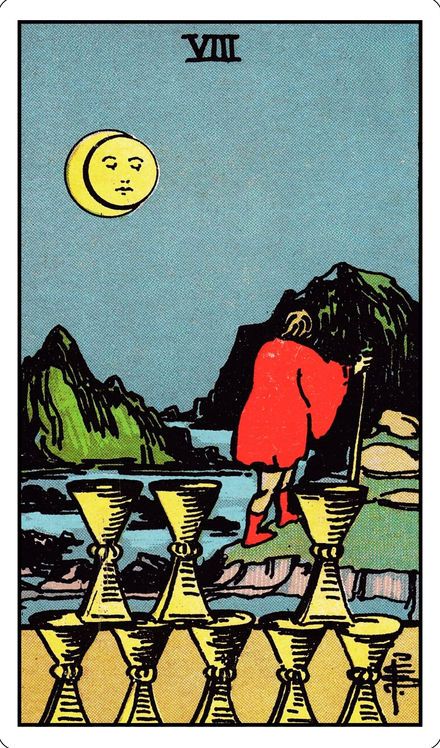
- Eight of Cups
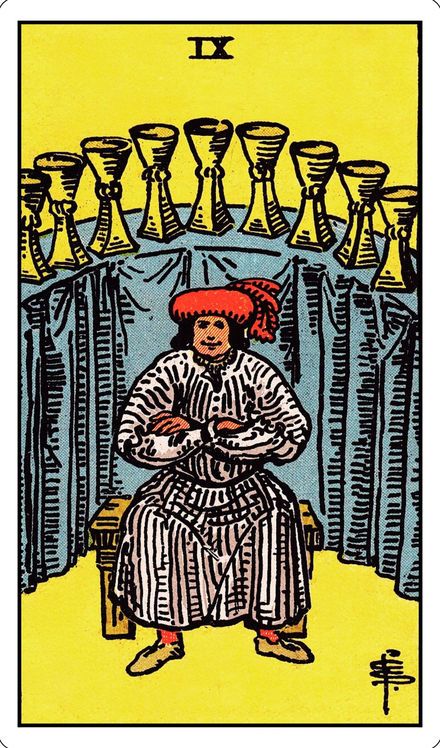
- Nine of Cups
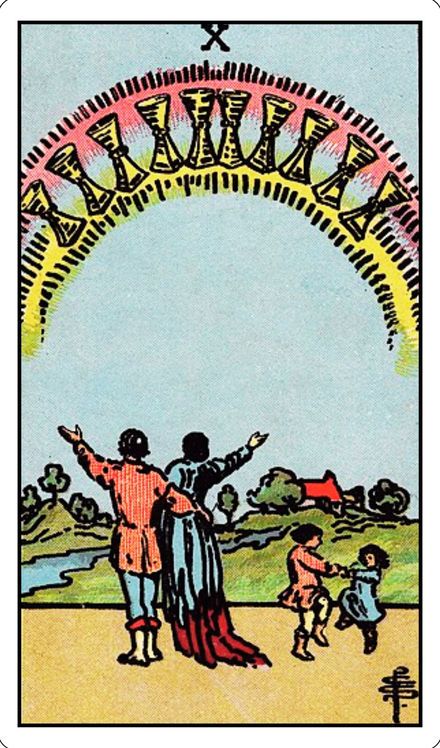
- Ten of Cups
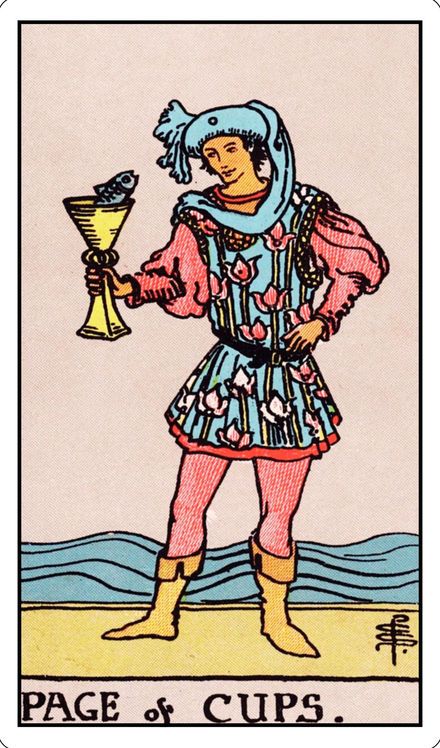
- Page of Cups
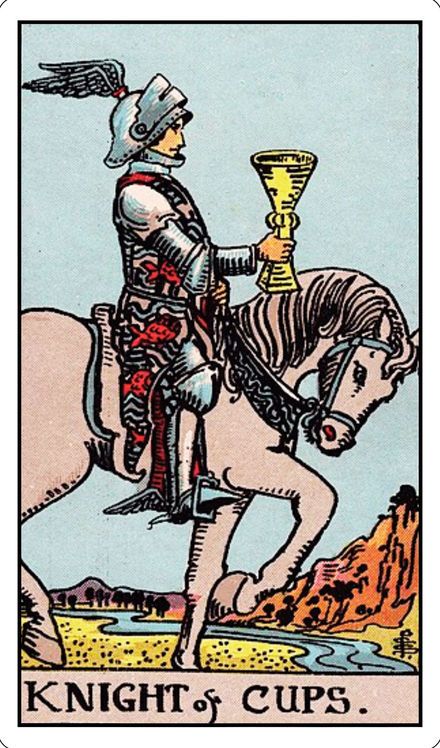
- Knight of Cups
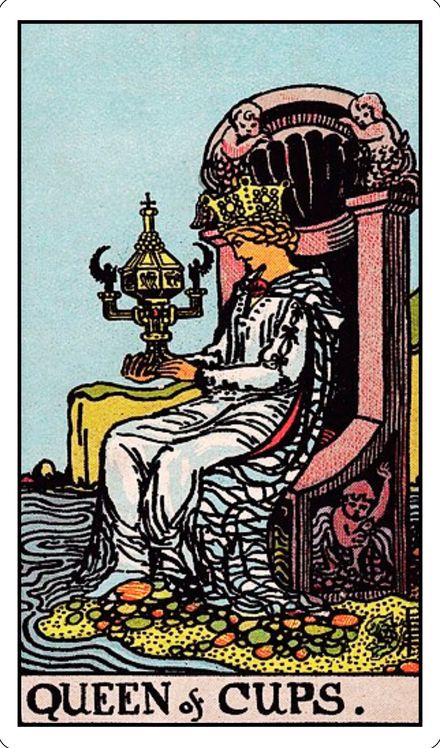
- Queen of Cups
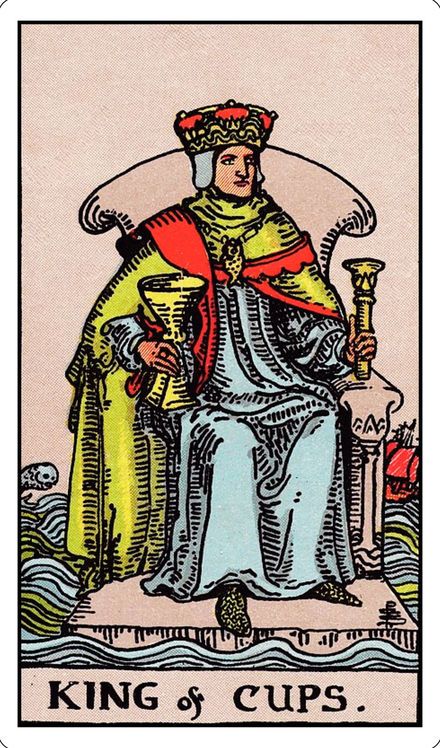
- King of Cups
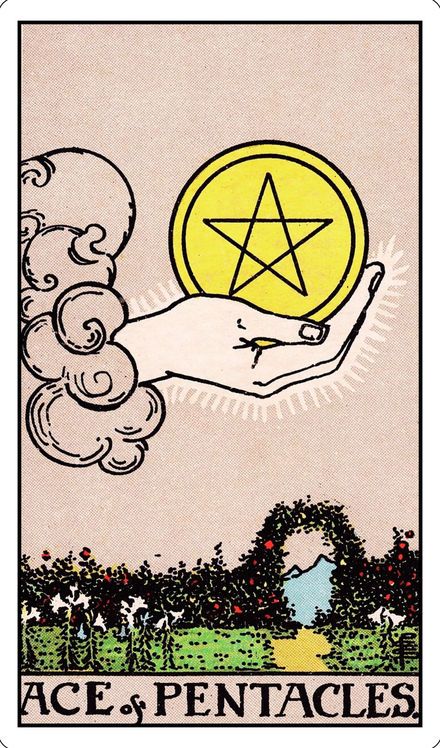
- Ace of Pentacles
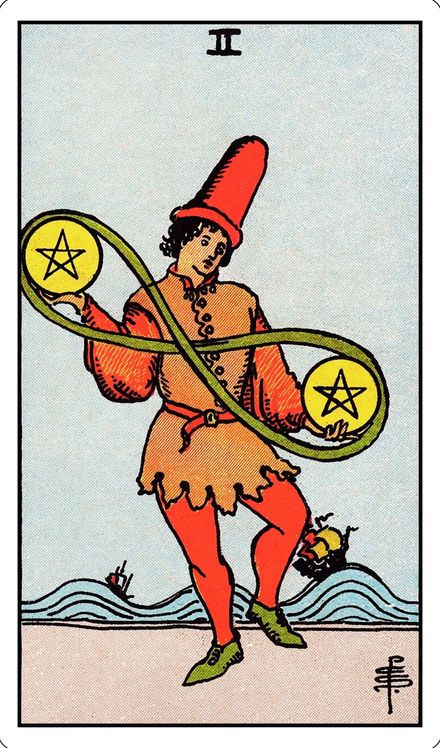
- Two of Pentacles
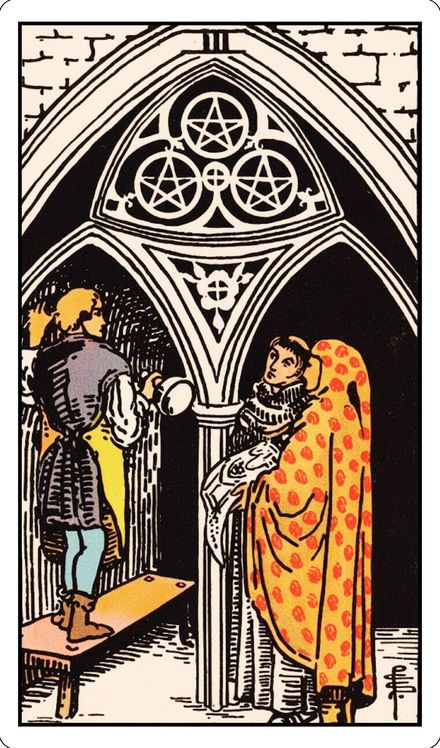
- Three of Pentacles
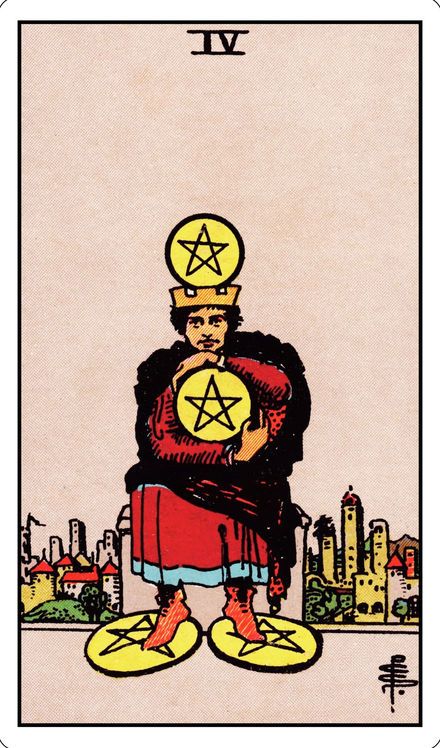
- Four of Pentacles
- Five of Pentacles
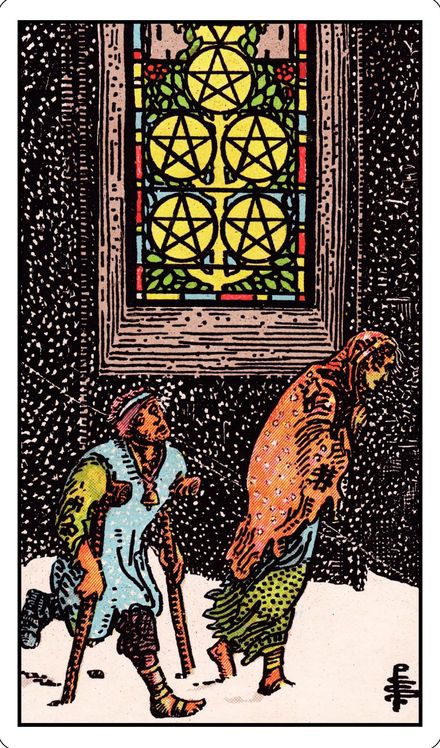
- Six of Pentacles
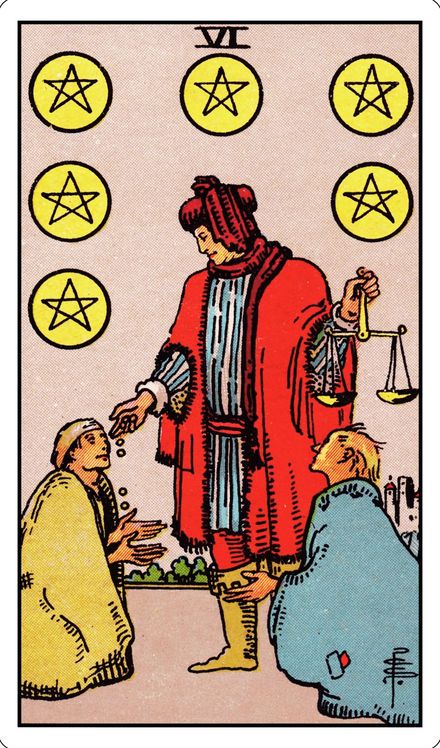
- Seven of Pentacles
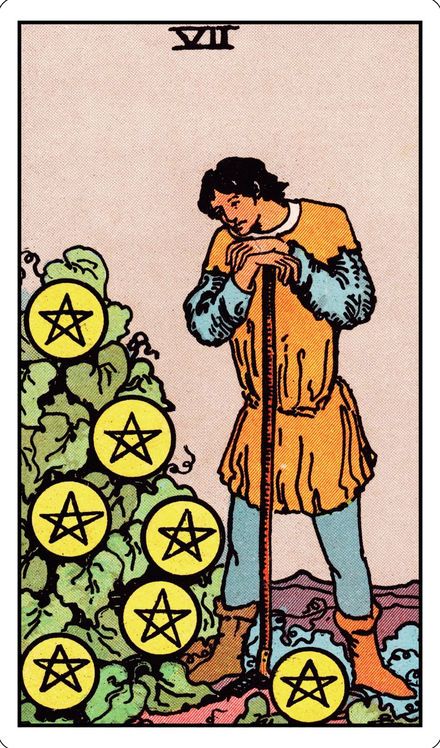
- Eight of Pentacles
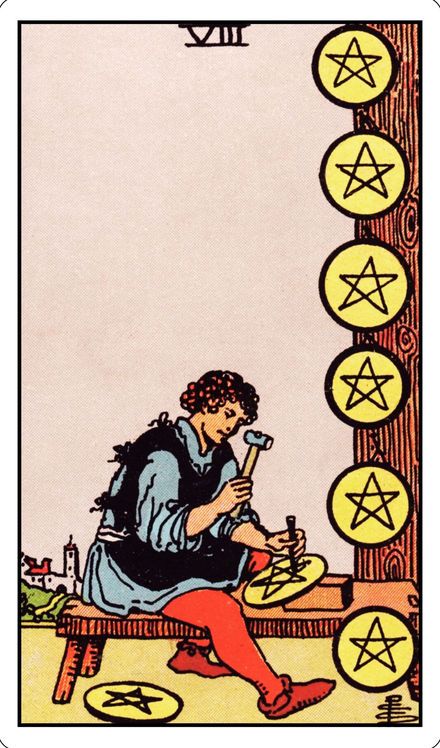
- Nine of Pentacles
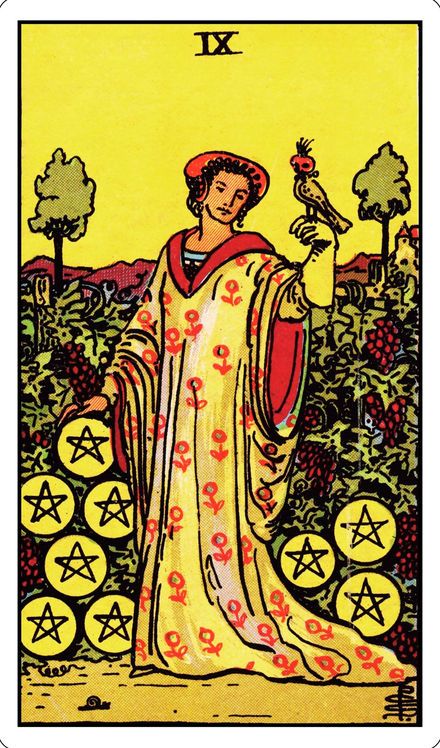
- Ten of Pentacles
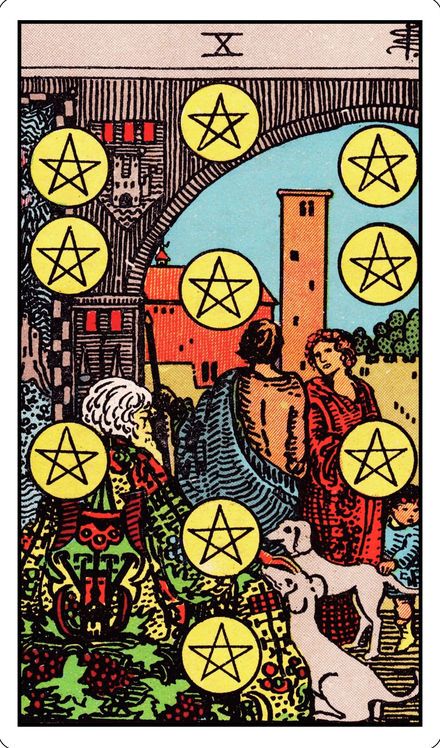
- Page of Pentacles
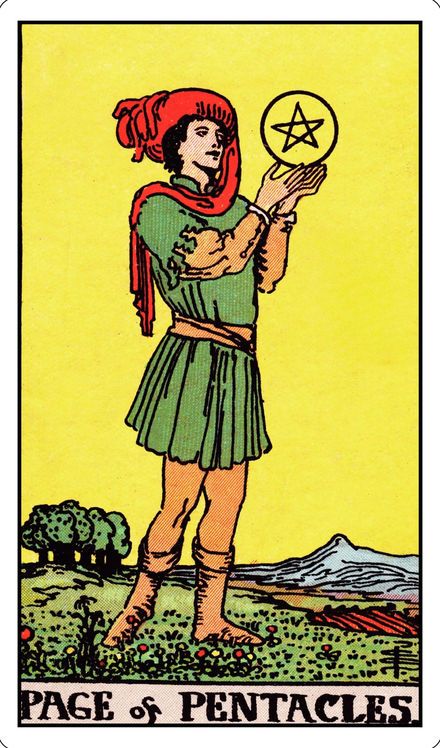
- Knight of Pentacles
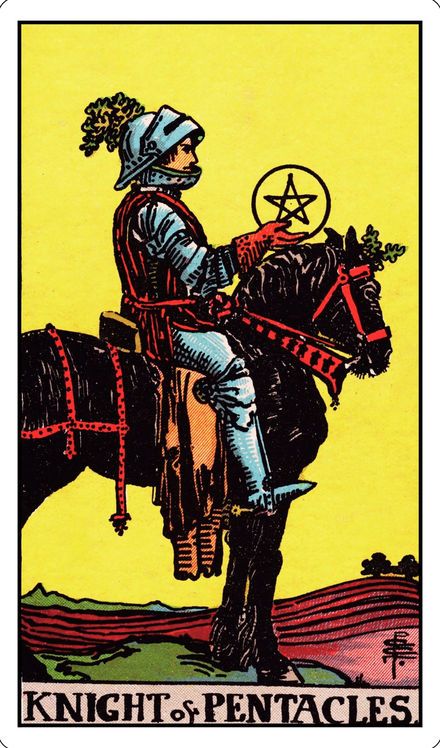
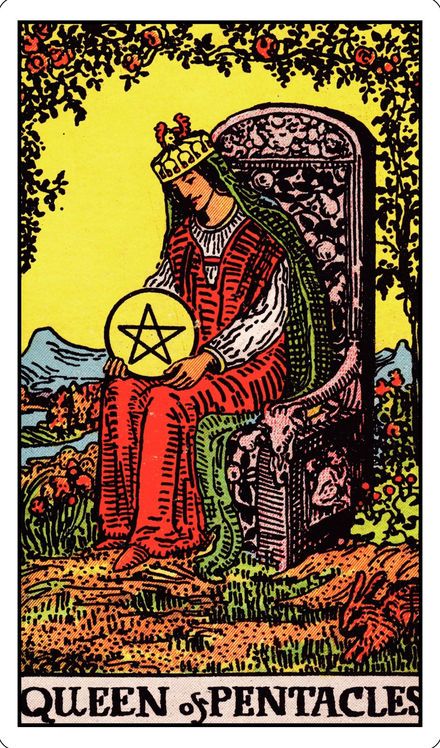
- Queen of Pentacles
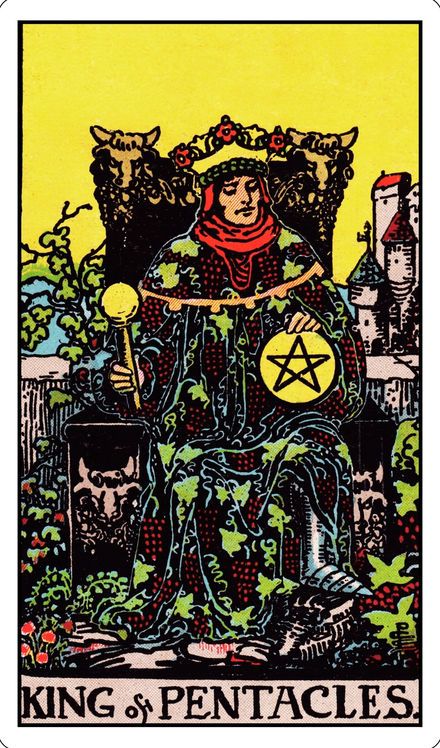
- King of Pentacles
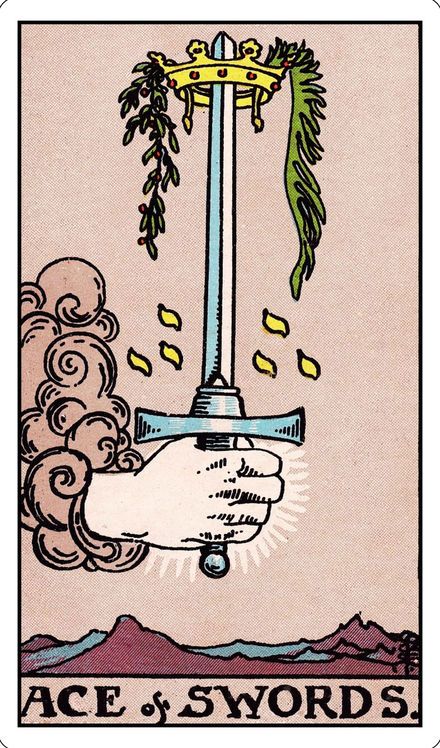
- Ace of Swords
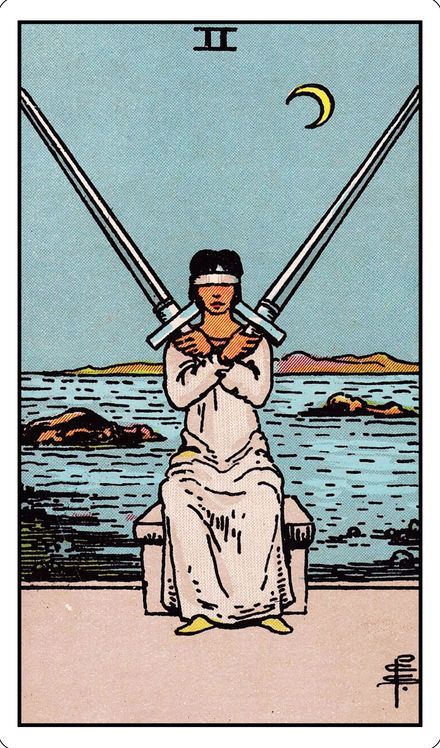
- Two of Swords
- Three of Swords
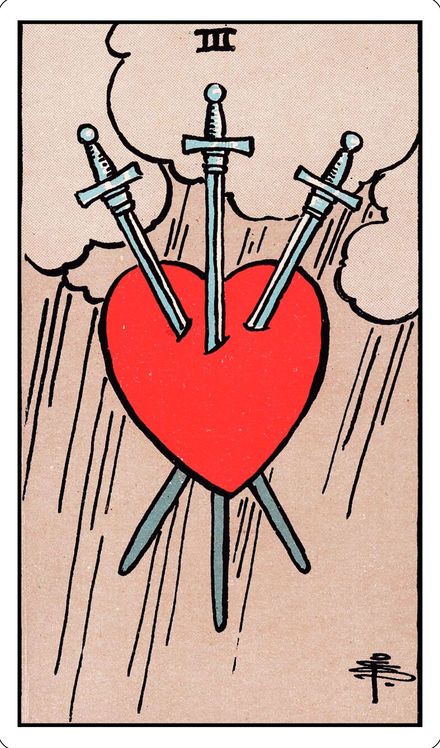
- Four of Swords
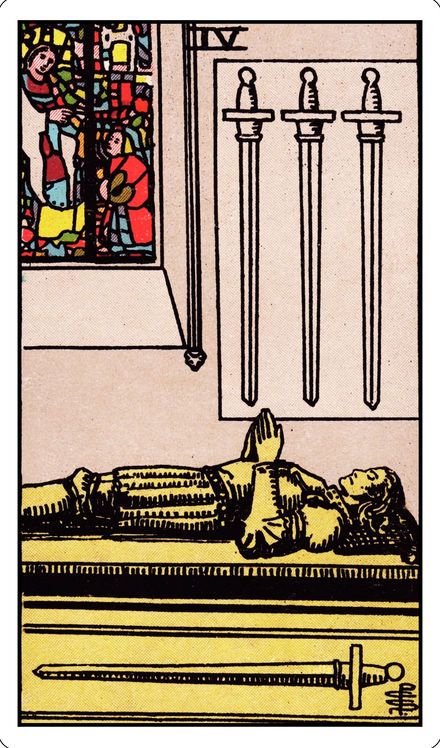
- Five of Swords
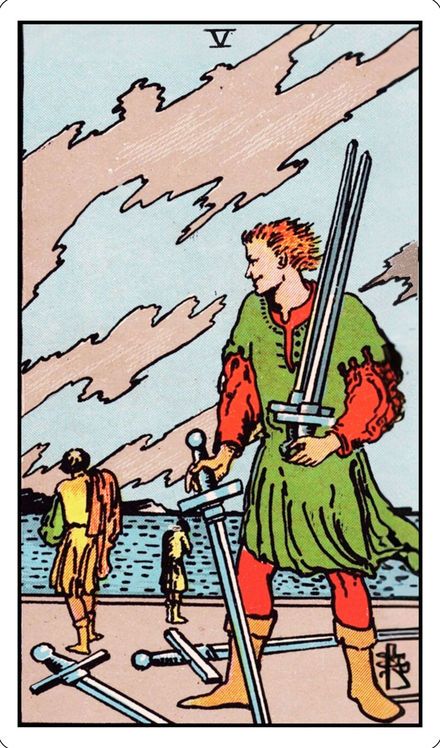
- Six of Swords
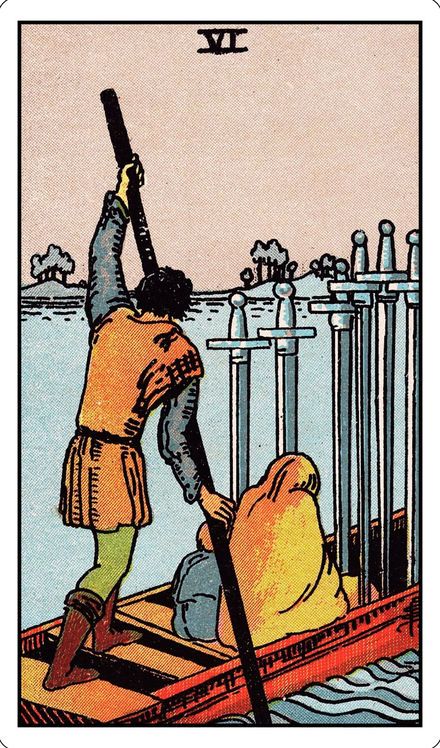
- Seven of Swords
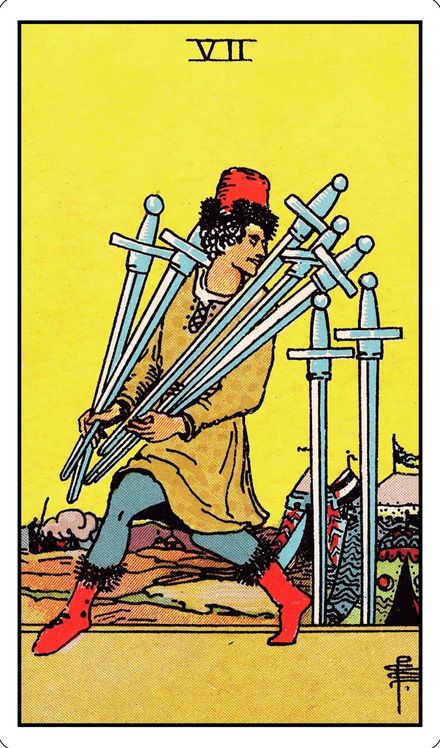
- Eight of Swords
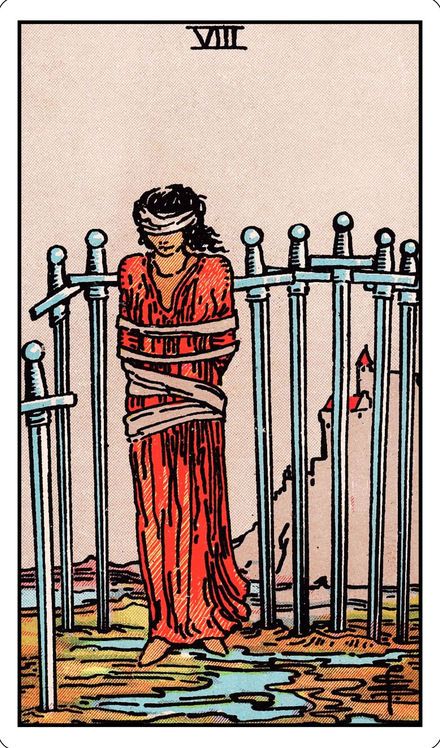
- Nine of Swords
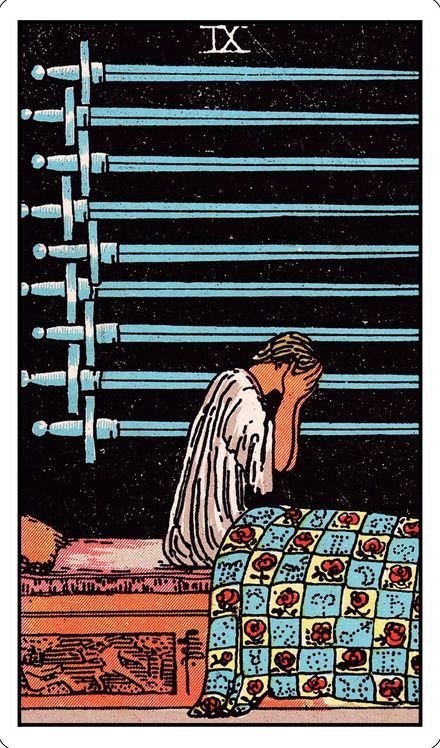
- Ten of Swords
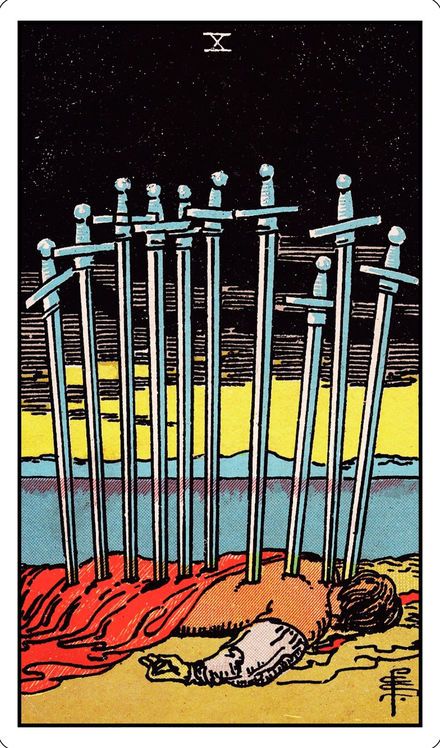
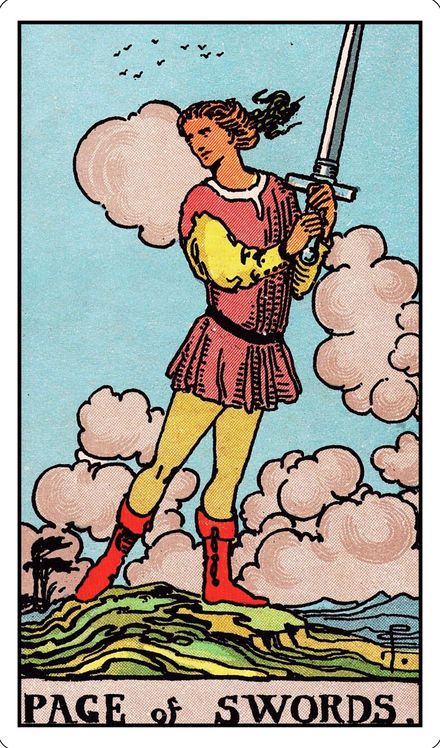
- Page of Swords
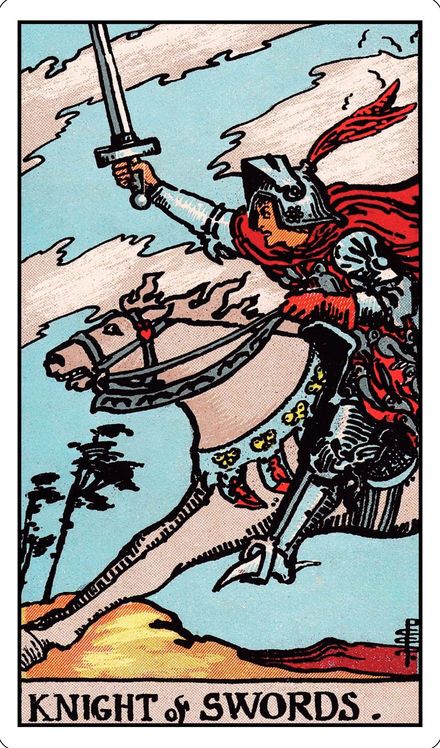
- Knight of Swords
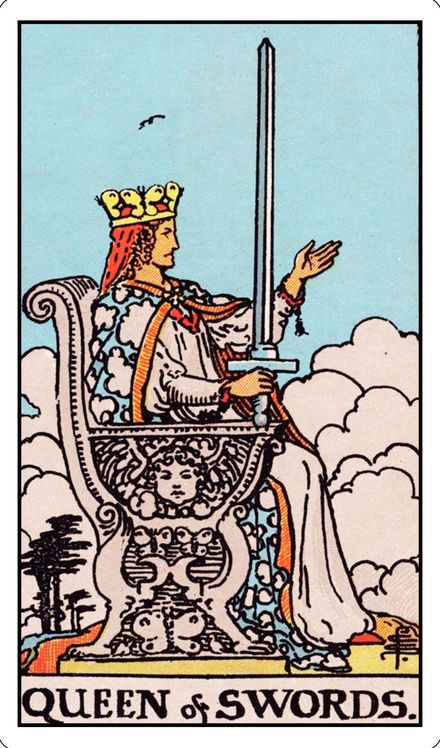
- Queen of Swords
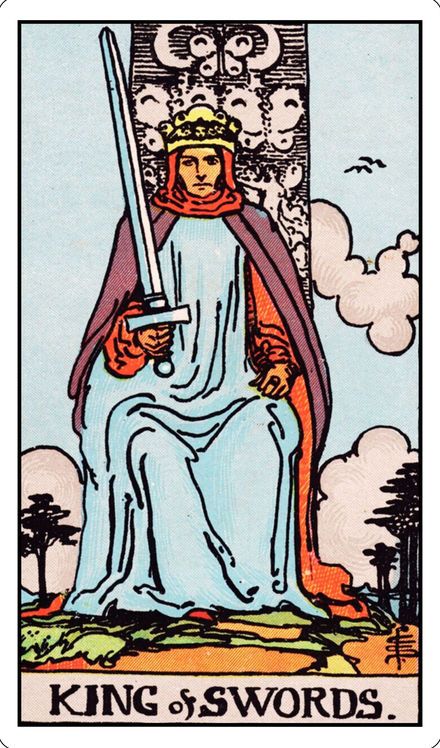
- King of Swords
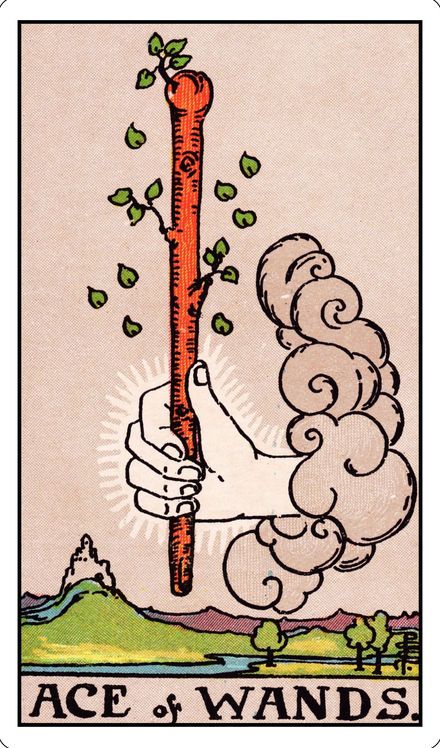
- Ace of Wands
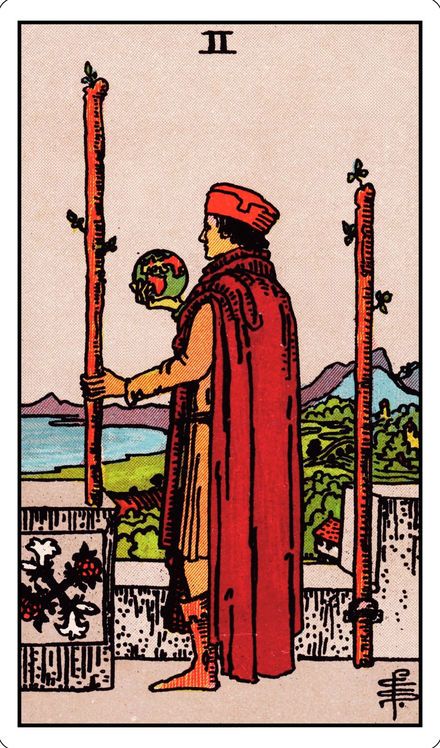
- Two of Wands
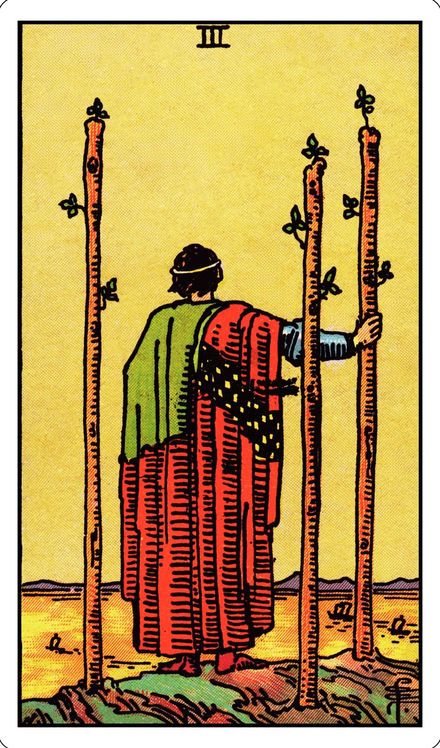
- Three of Wands
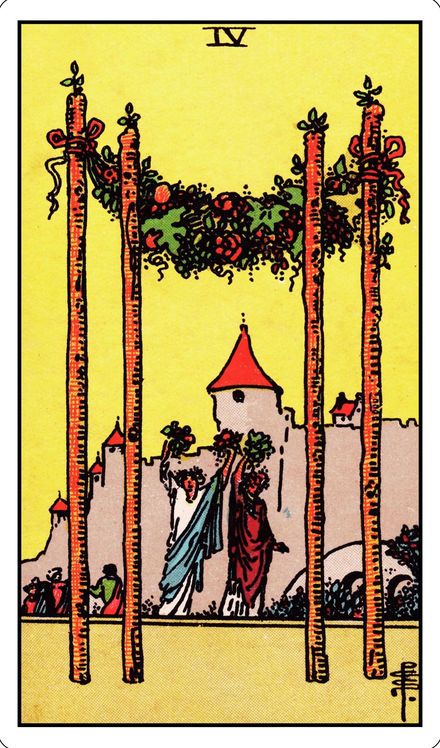
- Four of Wands
- Five of Wands
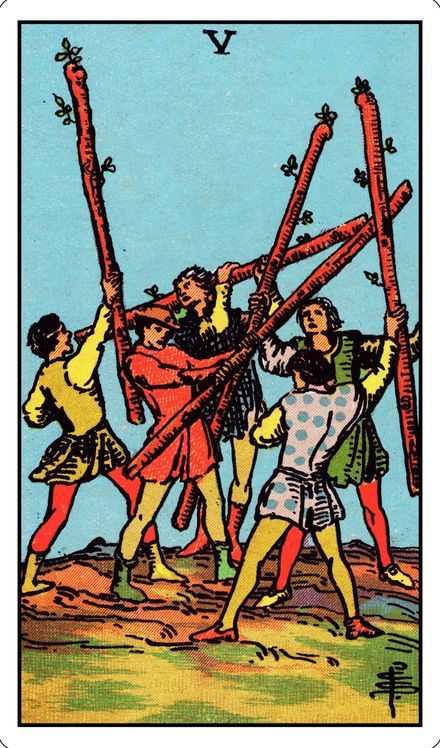
- Six of Wands
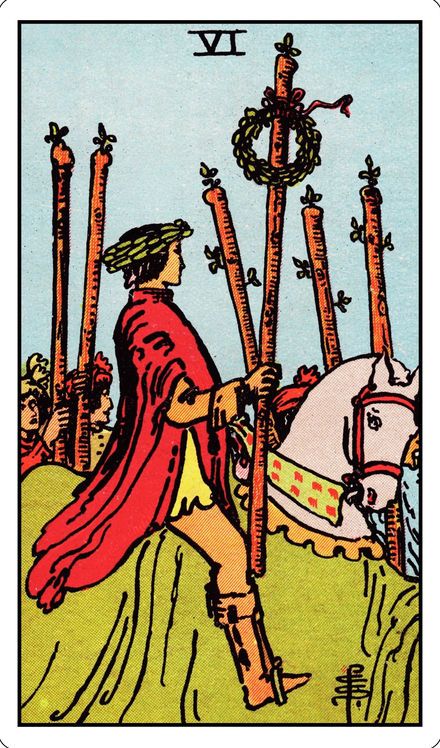
- Seven of Wands
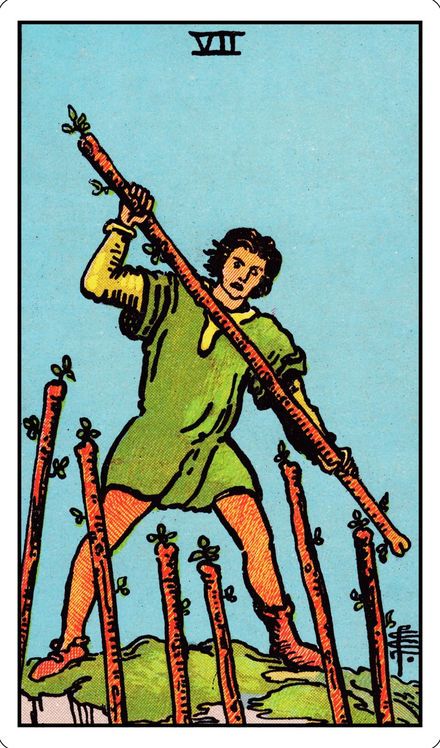
- Eight of Wands
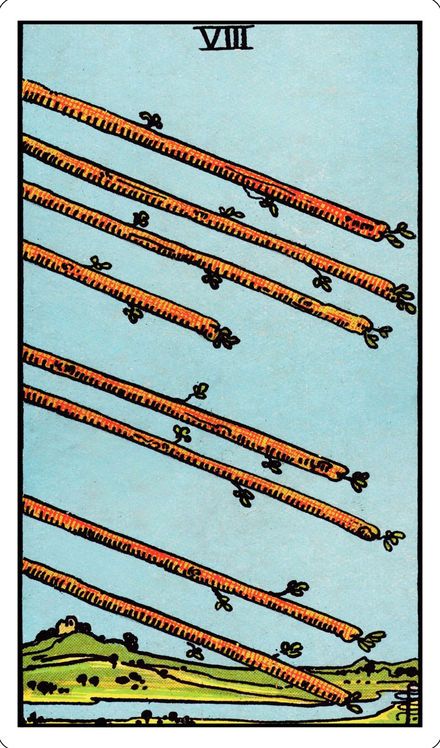
- Nine of Wands
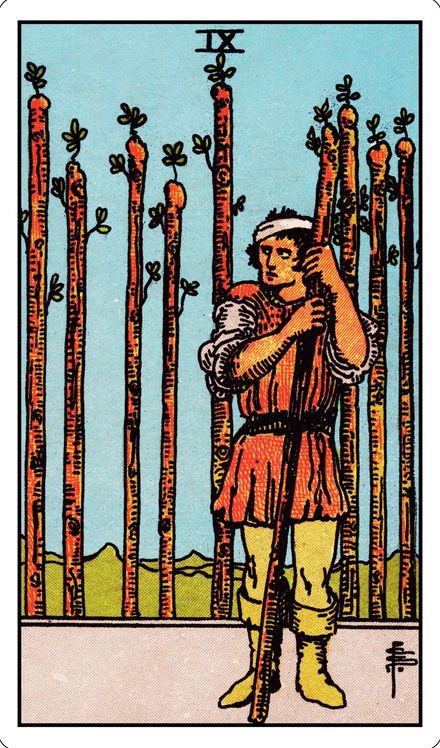
- Ten of Wands
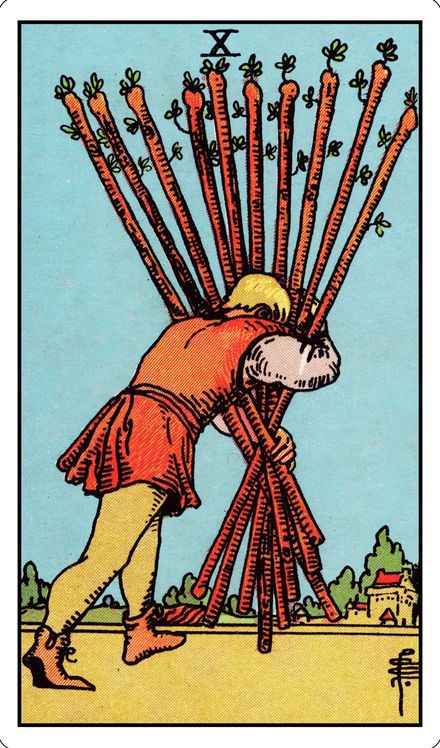
- Page of Wands
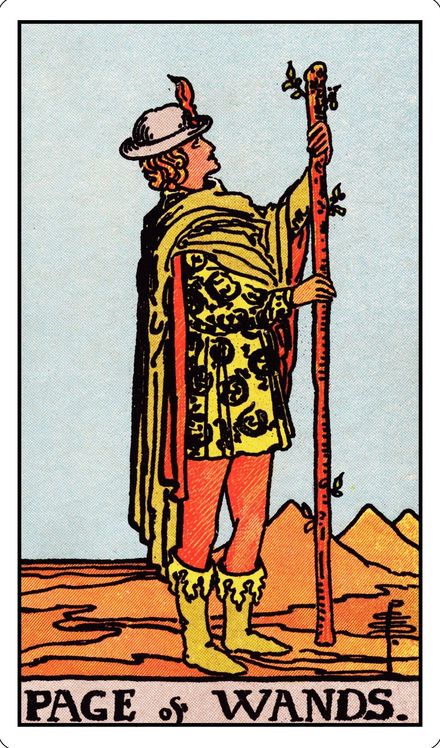
- Knight of Wands
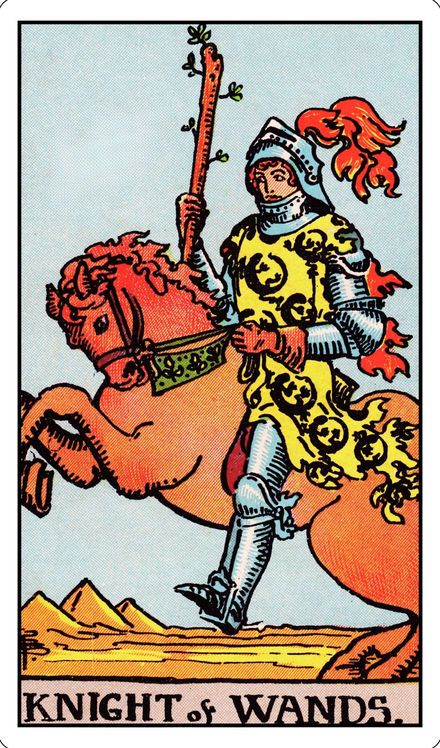
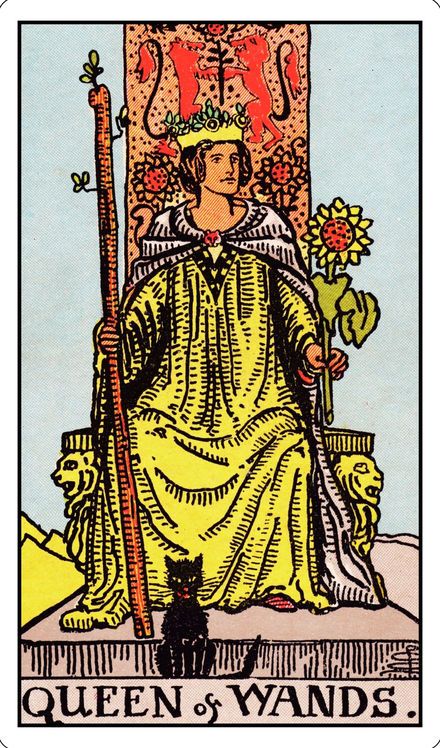
- Queen of Wands
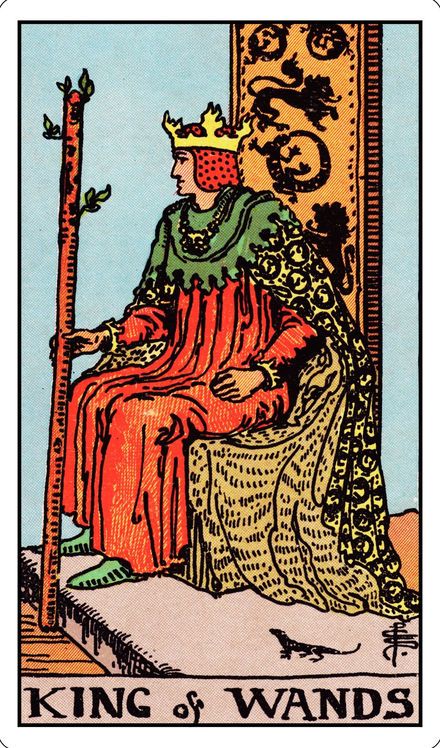
- King of Wands
Common questions
- What is the tarot card of the day?
- A card of the day is one card drawn in the morning and read as a description of the day ahead rather than as an answer to a question. It has no position around it to lean on, so it is read broadly: the image first, then the meaning, then a single line about what it might be pointing at. The point is the line you write, which you read back in the evening against what the day turned out to hold.
- Can I draw more than one card of the day?
- You can, and the second card is usually worth less than the first. A redraw is almost always a request for a different answer, and the deck will supply one, which is how a morning pull turns into ten minutes of shopping. The rule that works is that the first card is the card. If it lands badly, that reaction is the reading.
- What does it mean when the card of the day is reversed?
- A reversal is the same card in a different condition: blocked, delayed, internal, or on its way out. It is rarely the opposite of the upright meaning, and it is no worse a card. Reversed, The Tower can describe pressure that has not broken yet, and reading it as good news is the common mistake. This page turns roughly three cards in ten upside down, which is the rate the Reflecta app deals reversals at.
- Is drawing a card in a browser the same as using a real deck?
- For a single card, close enough to be worth doing. What a physical deck gives you that this page cannot is the handling: the shuffle is where most people settle into the question, and the pause matters more than the randomness. What a drawn card here gives you that a physical deck does not is that it is available at the moment you thought of it, which for a daily practice is most of the battle.
One card a day is the smallest tarot practice there is and the only one most people keep. It is also a spread in its own right, and the one card tarot reading has the part this page leaves out: how to phrase a question narrow enough for a single card to answer, which is the whole difficulty of the format. If you want the meanings in full, tarot card meanings has all seventy-eight, and the two arcana sit at Major Arcana and Minor Arcana. If a day comes when one card is not enough, tarot spreads compares the layouts on card count, time, and what each one is for. And where this page deals a card at random, the tarot birth card calculator works out the one card a date of birth reduces to, which does not change from one day to the next.
There is also a page on what Reflecta is, if the waitlist is a step too early.