Major Arcana · 7
The Chariot
- willpower
- determination
- momentum
- control
The Chariot points to progress made by holding opposing forces together long enough to move forward. It means willpower, direction, and control under pressure. Waite called it triumph in the mind. As a yes or no answer it leans strongly yes, if you keep putting in the effort. The success it describes is earned. Reversed it leans no: there is plenty of drive, but it is scattered, or control has taken the place of steering.
- Element
- Water
- Astrology
- Cancer
- Numerology
- 7, the number of hard-won progress
- Yes or no
- yes
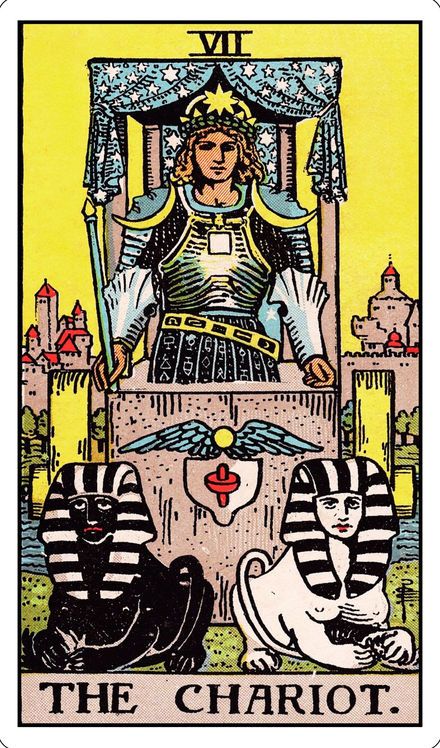
There are no reins. It is the most useful thing in the picture. Waite called the driver triumph in the mind. Two sphinxes face different directions, they clearly disagree, and the man between them keeps them on course with nothing but focus.
That is what the hard middle of anything feels like. It is rarely one big obstacle. It is the constant effort of keeping several things pointed the same way. Nothing does it for you, and a week of drifting can undo a month of work.
The Chariot upright meaning
Moving forward by willpower, and it is not easy.
Waite called the charioteer above all things triumph in the mind, conquest on every plane. He added a limit: the conquest is outward, and not within himself. His meanings were help and providence, and also war, triumph, presumption, and trouble. The Chariot is about the middle of things, the part few people write about. The decision is made, the start is behind you, and what is left is the hard work of staying on course while several forces pull against each other. Two sphinxes face different ways, and there are no reins. The only thing keeping them in line is the driver's focus. That is a good description of most long efforts. It reads as a victory, and an earned one. When it appears, it often suggests you are further along than your discouragement says. Stopping now could cost more than continuing. Its practical advice is about direction more than speed. Energy is rarely the problem in a Chariot reading. There is plenty of it. What is rare is holding one direction long enough for all that movement to add up to arriving.
The Chariot reversed meaning
Drive without direction, or control that has become the obstacle.
Reversed, the sphinxes win. Waite's reversed meanings were riot, quarrel, dispute, litigation, and defeat. The forces that were held together pull apart, and the movement turns into thrashing: huge effort, lots of exhaustion, and very little progress. This is the reading for anyone working very hard on several things at once who cannot say what any of it is for. The other failure is gripping too tight. Control in The Chariot should mean steering. Reversed, it becomes clenching: micromanaging a project, monitoring a relationship, refusing to let anything happen unwatched. Here is the paradox the card points to: past a certain point, more control gives you less. Everything depends on your constant attention, and attention always slips eventually. Sometimes it points the other way, to an effort you gave up on. You quietly stopped without ever deciding to. The card asks you to say so out loud instead of letting it fade.
A reversal is rarely the upright card's opposite. Reversed tarot cards covers the four conditions a reversal usually describes, and how to tell which one a spread is asking for. Every card's reversed meaning sits beside its upright one on reversed tarot card meanings.
The Chariot in Waite's 1910 key
The meanings above are Reflecta's reading. These are the ones A. E. Waite gave in The Pictorial Key to the Tarot (1910), the guide he wrote for the deck Pamela Colman Smith drew. He wrote them for fortune-telling, a use tarot took on centuries after it began as a card game in fifteenth-century Italy. Some of his words are blunt, and none of them can tell you what will happen.
- Upright
- Succor, providence; also war, triumph, presumption, vengeance, trouble.
- Reversed
- Riot, quarrel, dispute, litigation, defeat.
Symbolism in the card
- The two sphinxes, one black and one white
- Waite says two sphinxes draw his chariot. They face different directions, and there are no reins. Nothing physical holds them together. The card places control in the driver's focus.
- The absence of reins in his hands
- He steers by willpower alone. That is the card's boast and its warning. Nothing connects him to what is pulling him, so the moment his focus slips, so does the direction.
- The city wall behind him
- He has already left home. The Chariot is past the beginning. You are committed, home is out of sight, and turning back would be a long trip of its own.
The Chariot in love and relationships
Upright. A relationship that takes work and is worth it, or the determination to make something work despite a real obstacle: distance, timing, family, or circumstances. The card favors persistence and asks you to head in the same direction together.
Reversed. Two people pulling different ways while insisting they want the same thing. It can also point to a relationship kept going by willpower alone, where one person holds the whole thing up and calls that commitment. Notice which role you have been playing.
The Chariot in career and work
Upright. A project in its demanding middle. The card leans toward pushing on. It favors ambition, competitiveness, and following through on a plan you have already chosen. A strong card for anything that rewards not stopping.
Reversed. Overwork with no strategy, or a team moving fast in several directions. If you cannot say in one sentence what this quarter is for, that may be the reading.
The Chariot in money
Upright. Financial progress through steady effort: sticking with a plan long enough for it to grow. Slow and steady. The card describes the discipline. The plan itself is for your numbers and, when it matters, a qualified advisor.
Reversed. Spending money to look in control or successful, or chasing income in so many directions that nothing grows big enough to matter.
The Chariot as feelings
Upright. As feelings, The Chariot describes determination: wanting something and being ready to work for it, which can feel intense. It is how someone feels when they decide and then act on it. The card cannot confirm what is in anyone's heart. Steady action is easier to read than words.
Reversed. Reversed, it can describe feelings that have turned into a campaign: chasing someone without listening to what you want, or momentum standing in for real attention. Notice whether your own wishes are being heard. The card cannot answer for anyone else.
Is The Chariot a yes or a no?
Upright, it leans yes. Reversed, it leans no.
Upright it leans strongly yes, as long as you keep at it. The card describes success earned by steady willpower. It says yes if you are ready to keep holding things together. Reversed it leans no. Often the energy is real but scattered in too many directions, or control has taken the place of steering. The card describes effort. The outcome depends on more than the card.
Every card's leaning in one table, upright and reversed, is on yes or no tarot, along with what a maybe is asking you to do.
The Chariot as a birth card
3,325 of the 36,890 dates between 1925 and 2025, 9.0% of them, give The Chariot as a birth card on its own, with nothing under it: a number below 10 is where the reduction stops. It also turns up as the second card beneath The Tower, because 16 reduces to 7.
Which card is yours comes from your birthday rather than from the deck. The tarot birth card calculator runs the reduction on a date of birth and shows every step of it. The date stays in the browser.
The Chariot card combinations
- +The Chariot and Strength
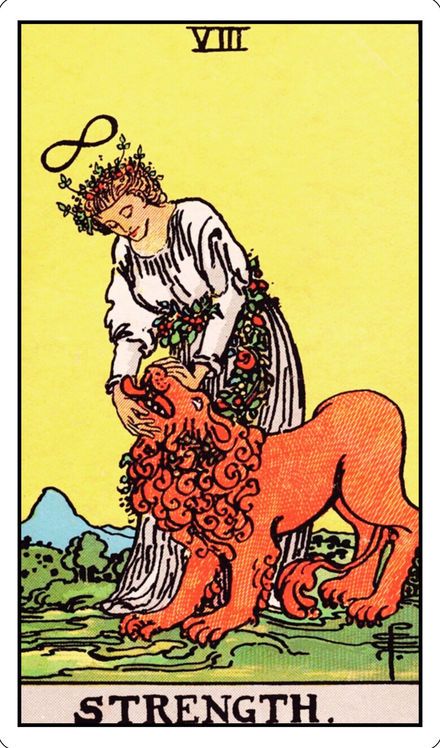
- The deck's two ways of handling a difficult force. The Chariot controls it, and Strength wins it over. Together they often suggest you need both, and that force alone has taken you as far as it can.
- +The Chariot and The Tower
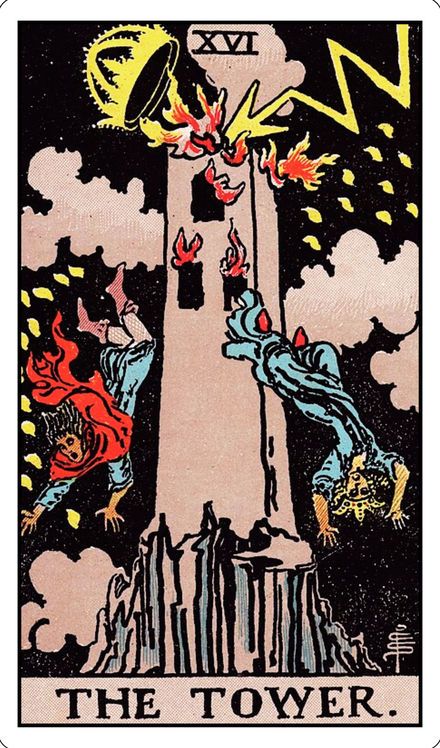
- Momentum hitting an obstacle that will not move. It often asks whether the direction was wrong, and not the amount of effort. That is hard to accept after working so hard.
- +The Chariot and The World
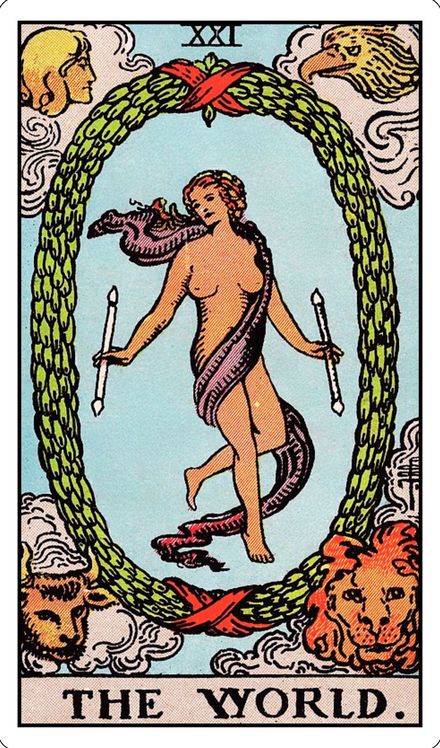
- The long road and its end together. A good pairing. It suggests the push may be nearly over, and that this time you have really arrived.
- +The Chariot and Seven of Cups
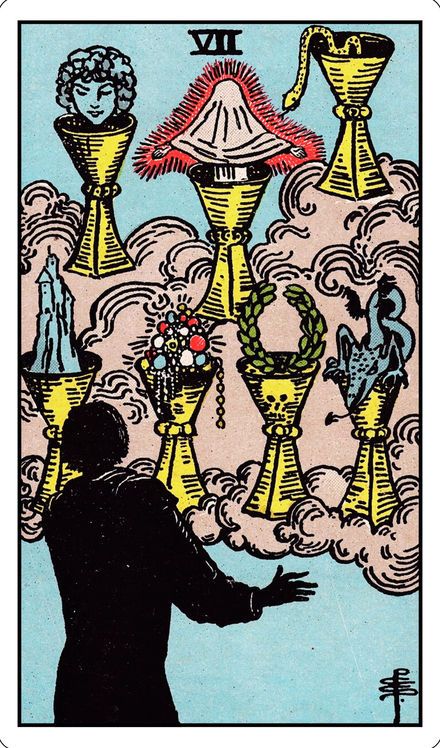
- Focus against distraction, and the tension is the message. Too many tempting options are competing for willpower that only works when aimed at one thing. Without a choice, the Chariot tends to stall.
Every pairing on this site, The Chariot's included, is collected on tarot card combinations.
I can hold this together long enough to arrive.
The Chariot: common questions
- What does The Chariot mean in tarot?
- It points to moving forward through willpower. The card describes the hard middle of an effort, where the decision is made and the work is staying on course while forces pull against you. Upright it favors pressing on. Reversed it points to drive without direction, or control so tight it gets in the way.
- Is The Chariot a good card?
- It is a card of victory, earned through effort and not luck. It points to success that comes from sticking with it, so it is good news as long as you keep going. When it appears, you may be further along than your discouragement suggests.
- What does The Chariot mean in love?
- A relationship that takes work and rewards it, often across a real obstacle like distance or timing. It favors persistence and heading the same way together. Reversed it points to two people pulling different ways, or one person holding everything up alone and calling that commitment.
- Why does The Chariot have no reins?
- Because the card places control in the driver's focus. The two sphinxes pull opposite ways, and nothing physical connects them to the driver. Only his focus keeps them on course. That is also the card's warning: when the focus goes, so does the direction.
There is also a page on what Reflecta does with a reading once the cards are down.