22 cards
The Major Arcana
The Major Arcana are the twenty-two cards without a suit, numbered from The Fool at zero to The World at twenty-one. Where the Minor Arcana describe the texture of a week, these describe the shape of a chapter: the decisions, losses, and turns that a life gets organized around. None of them repeats, so each of the twenty-two appears once in a deck of 78 and means one thing.
Readers often treat the run from zero to twenty-one as a single story, the Fool's journey. It is a useful way to learn them, as long as you do not take it too literally. Nobody moves through those stages in order.
Every card below has its own page with upright and reversed meanings, what it says in love, work, and money, and the symbolism it is read from. The table further down gives the whole set at a glance, with the element and the ruling body each card is traditionally assigned.
- The Foolbeginnings · innocence
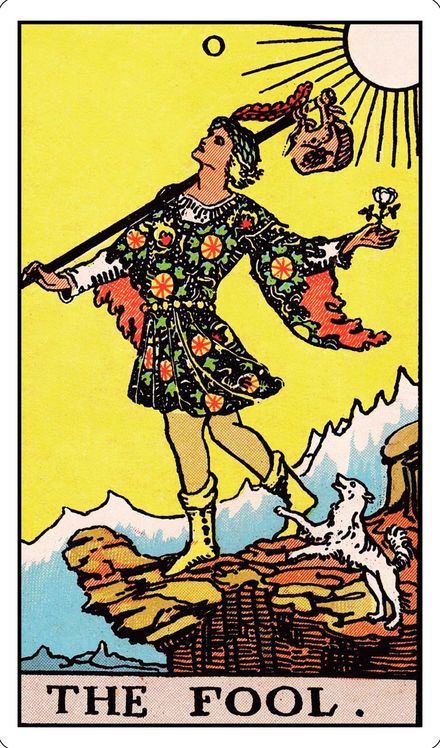
- The Magicianresourcefulness · willpower
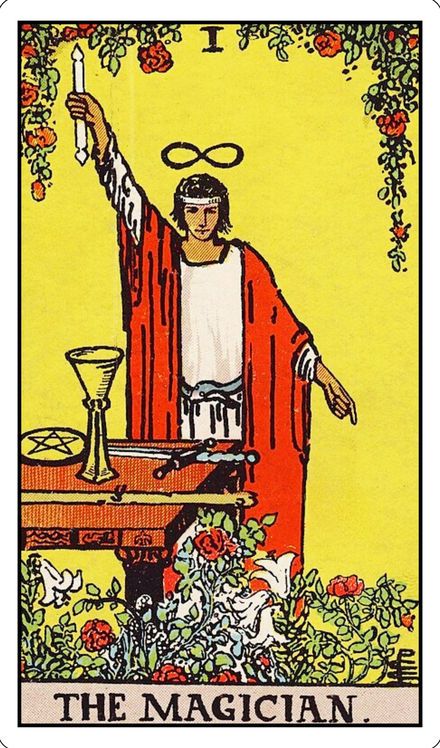
- The High Priestessintuition · mystery
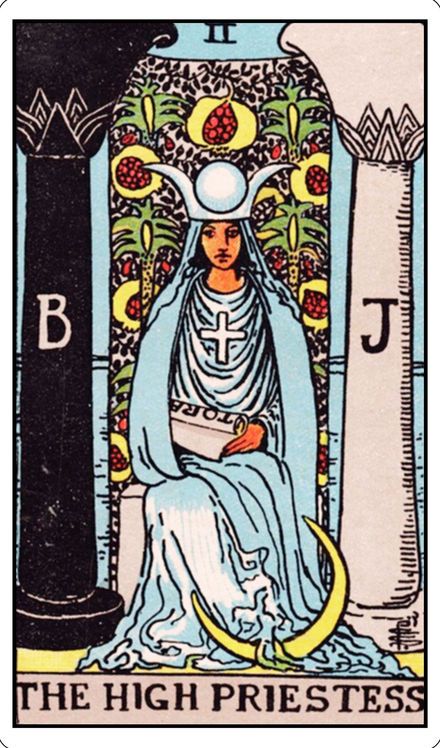
- The Empressabundance · nurturing
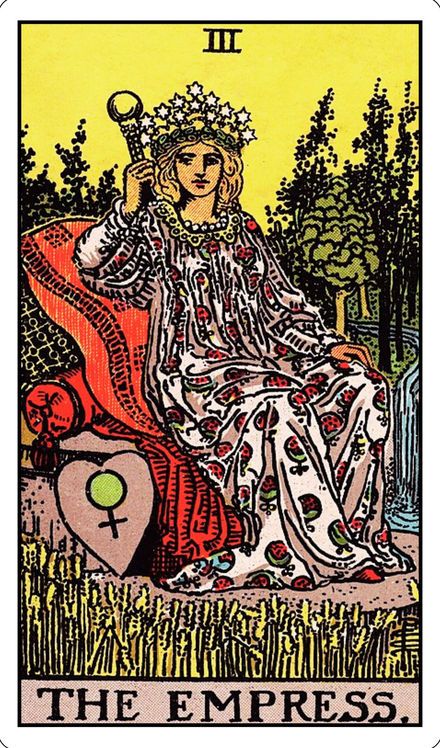
- The Emperorauthority · structure
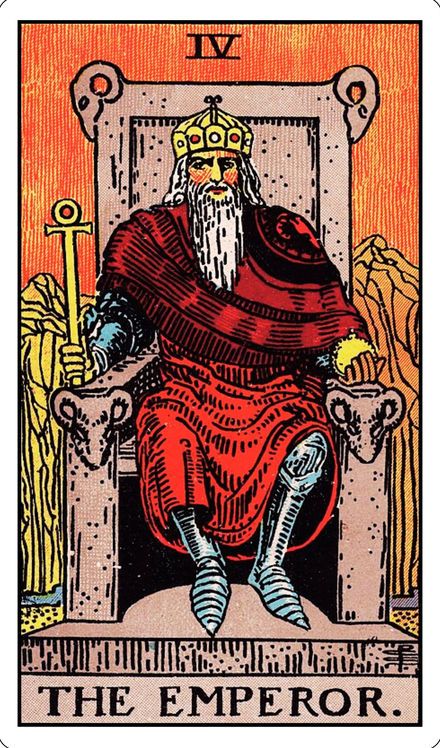
- The Hierophanttradition · guidance
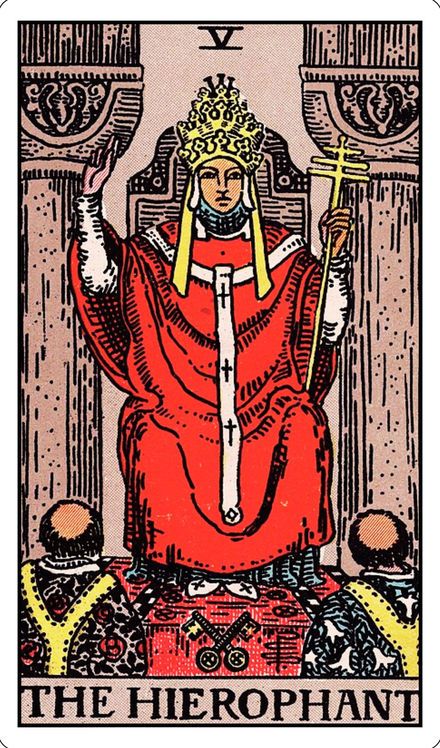
- The Loverslove · union
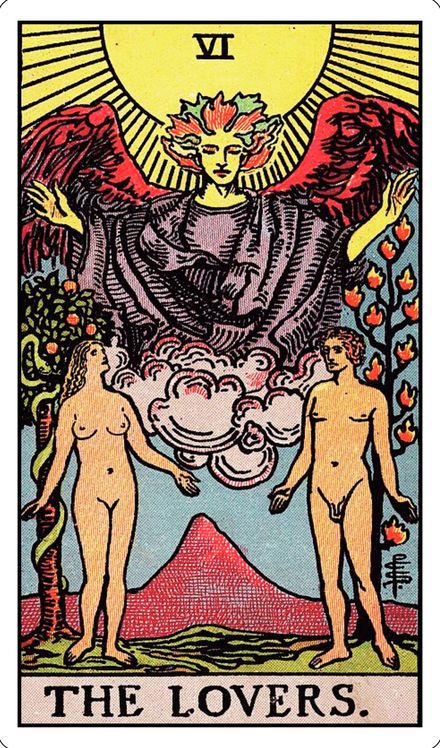
- The Chariotwillpower · determination
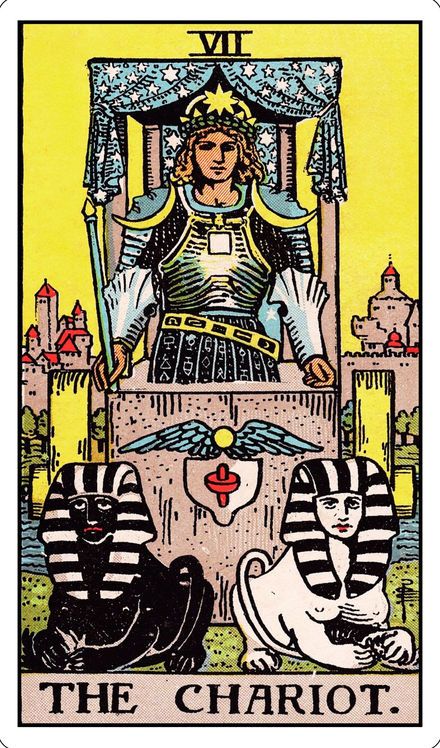
- Strengthcourage · patience
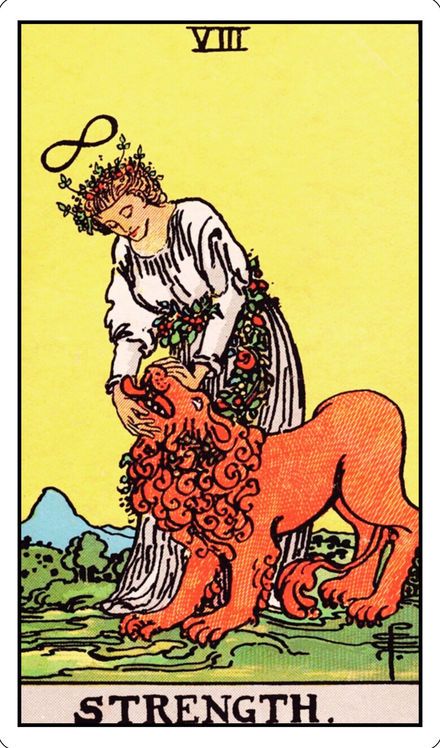
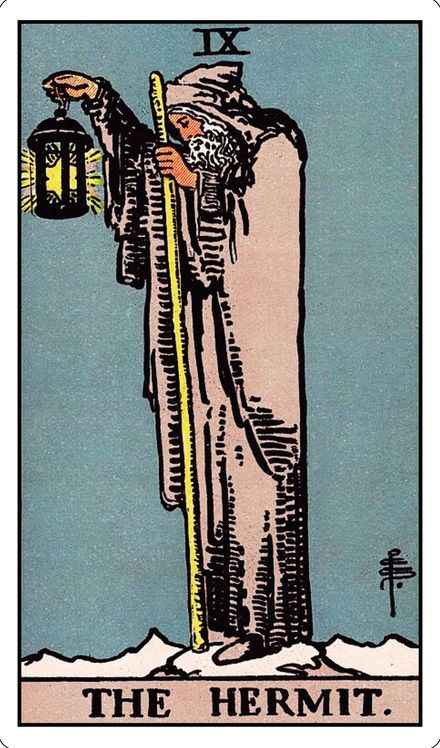
- The Hermitintrospection · solitude
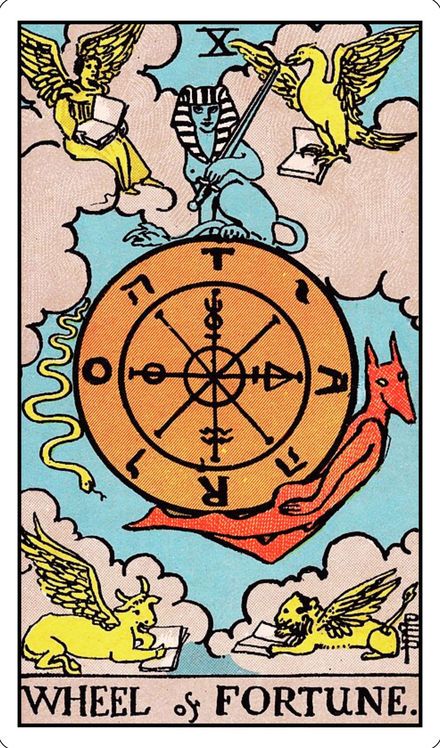
- Wheel of Fortunechange · cycles
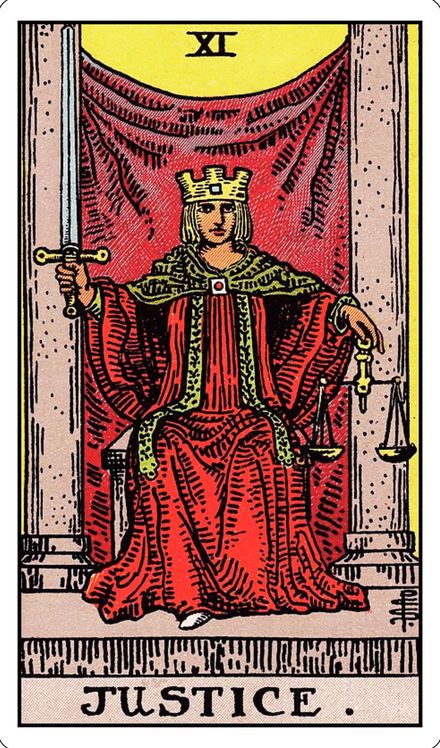
- Justicefairness · truth
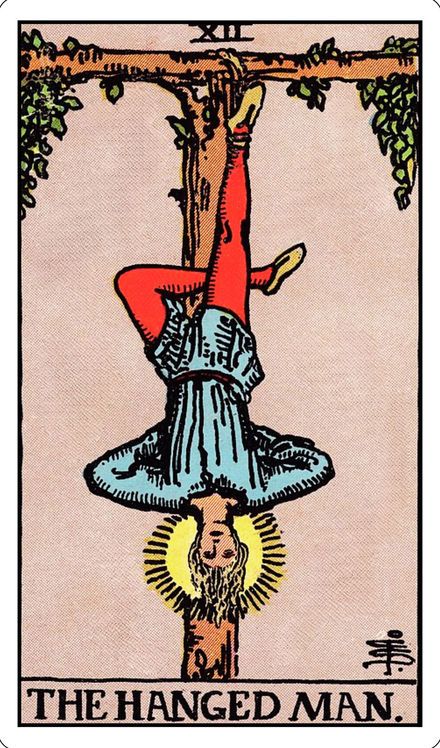
- The Hanged Mansurrender · new perspective
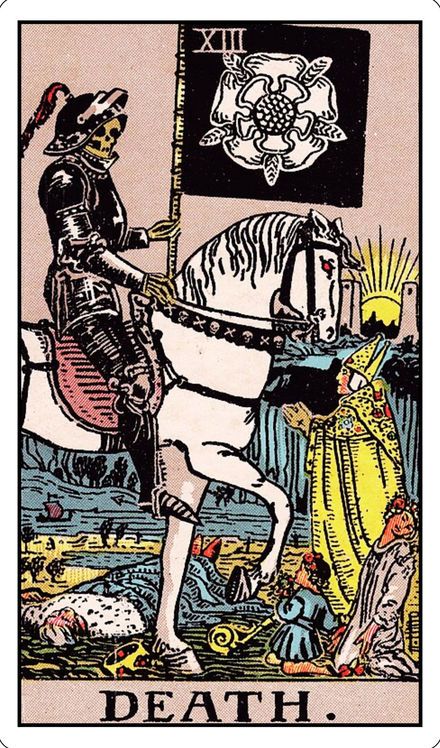
- Deathendings · transformation
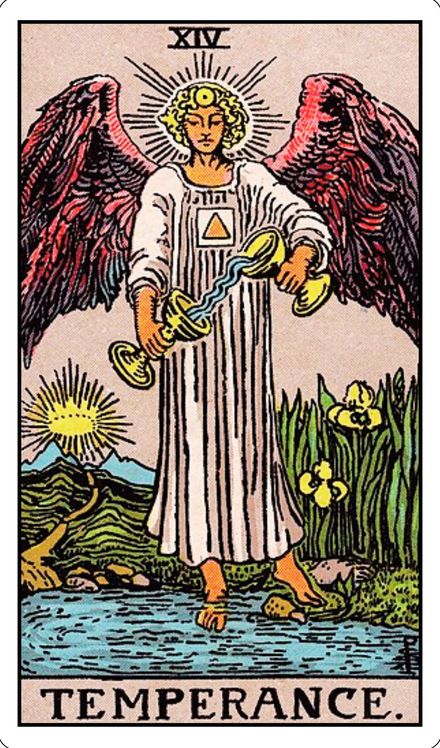
- Temperancebalance · moderation
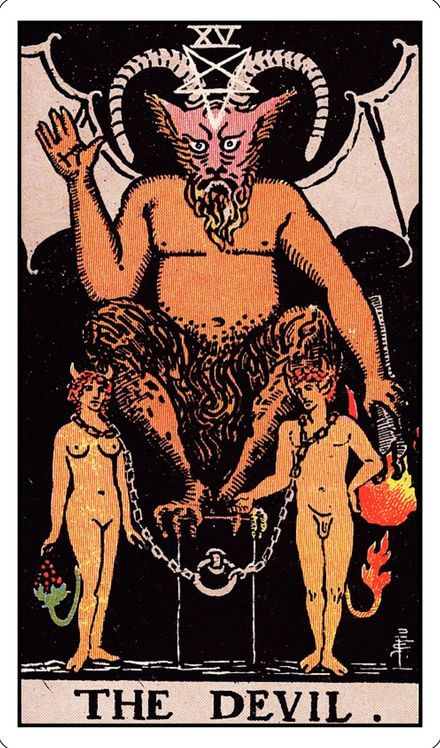
- The Devilattachment · temptation
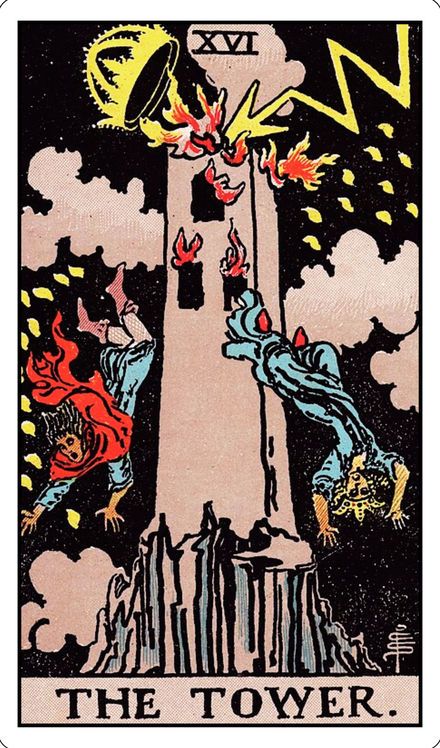
- The Towerupheaval · sudden change
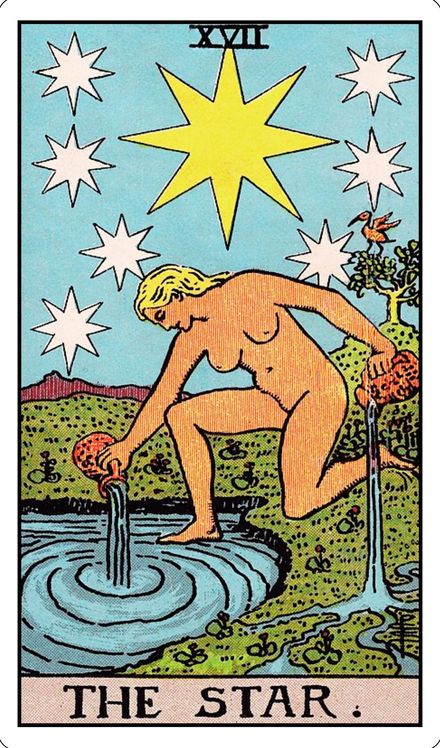
- The Starhope · faith
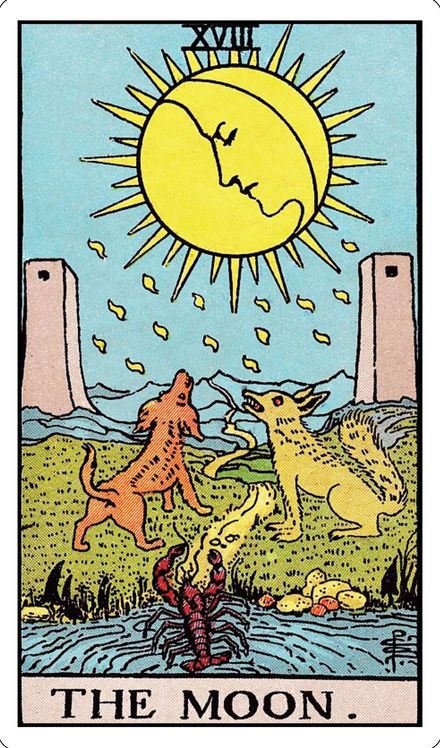
- The Moonillusion · fear
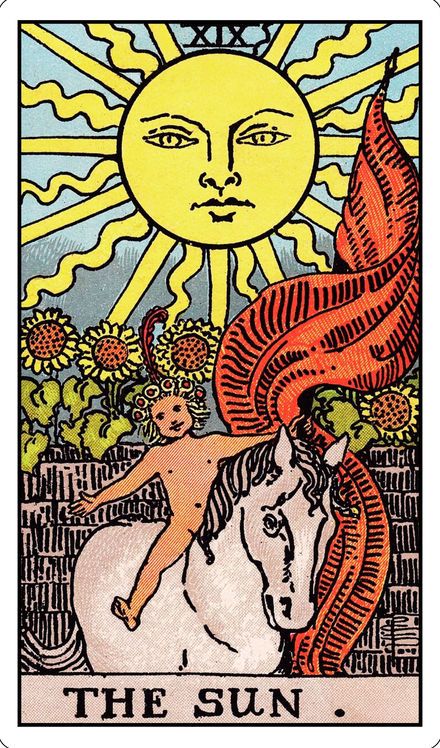
- The Sunjoy · success
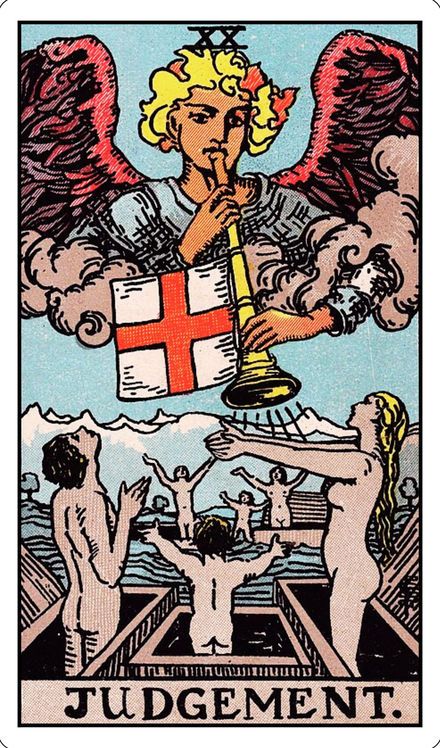
- Judgementrebirth · inner calling
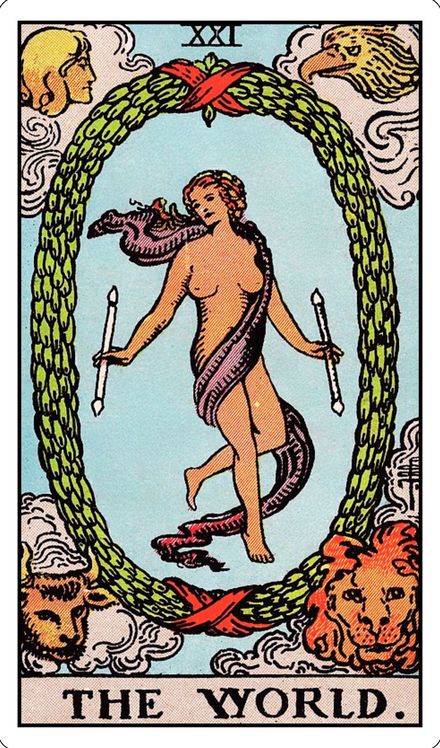
- The Worldcompletion · accomplishment
The twenty-two at a glance
Element, ruling body, and keywords for each card, in order. The correspondences are the standard ones and they are worth knowing mostly as a shortcut: two cards that share an element usually disagree about method rather than about what matters.
| Card | Element | Ruler | Keywords |
|---|---|---|---|
| 0The Fool | Air | Uranus | beginnings, innocence, spontaneity |
| 1The Magician | Air | Mercury | resourcefulness, willpower, skill |
| 2The High Priestess | Water | The Moon | intuition, mystery, subconscious |
| 3The Empress | Earth | Venus | abundance, nurturing, creativity |
| 4The Emperor | Fire | Aries | authority, structure, stability |
| 5The Hierophant | Earth | Taurus | tradition, guidance, knowledge |
| 6The Lovers | Air | Gemini | love, union, values |
| 7The Chariot | Water | Cancer | willpower, determination, momentum |
| 8Strength | Fire | Leo | courage, patience, compassion |
| 9The Hermit | Earth | Virgo | introspection, solitude, inner guidance |
| 10Wheel of Fortune | Fire | Jupiter | change, cycles, chance |
| 11Justice | Air | Libra | fairness, truth, law |
| 12The Hanged Man | Water | Neptune | surrender, new perspective, letting go |
| 13Death | Water | Scorpio | endings, transformation, transition |
| 14Temperance | Fire | Sagittarius | balance, moderation, patience |
| 15The Devil | Earth | Capricorn | attachment, temptation, compulsion |
| 16The Tower | Fire | Mars | upheaval, sudden change, revelation |
| 17The Star | Air | Aquarius | hope, faith, renewal |
| 18The Moon | Water | Pisces | illusion, fear, uncertainty |
| 19The Sun | Fire | The Sun | joy, success, vitality |
| 20Judgement | Fire | Pluto | rebirth, inner calling, absolution |
| 21The World | Earth | Saturn | completion, accomplishment, wholeness |
What makes a card major
The difference is one of scope. A minor card names an event: a payment arrived, an argument landed, someone made an offer. A major names the condition those events are happening inside. That is why a major can turn up in a reading about a small thing and change what the reading is about.
The clearest evidence for that sits in the yes-or-no leanings on these pages. 5 cards in the deck give the same answer whichever way up they land, and 4 of them are majors: The Hanged Man, Death, The Tower and The Sun. A card that answers the same way reversed is describing something that does not depend on timing, mood, or willingness, which is what a condition is. The full table of leanings is on yes or no tarot.
The Fool's journey, and where it stops helping
The common teaching device is to read the twenty-two as one story. The first stretch, The Fool to The Chariot, is the world as you find it: the people who raised you, the institution that taught you, the first choice you made on your own. The middle, Strength to Temperance, is the work nobody watches: patience, solitude, the reckoning, the ending, the slow recombination afterwards. The last stretch, The Devil to The World, is the forces larger than one person, and what it takes to come out the other side of them.
It is a good scaffold and a bad map. Nobody arrives at Temperance and stays there, a reading is not further along because it drew a higher number, and The World is a description rather than a prize. Use the sequence to learn the twenty-two in a week, then stop reading position as progress.
The four pairs that get mixed up
Most confusion in the Major Arcana comes from four pairs that look like each other and answer different questions.
The Emperor and The Hierophant are both authority. The Emperor is one person's authority, which can be argued with, inherited or lost. The Hierophant is an institution's, which outlasts whoever is currently holding it. If the question is who decides, it is the Emperor. If it is what the rules are, it is the Hierophant.
Death and The Tower are both endings. Death is the ending that has already happened and is waiting for you to admit it. The Tower is the ending arriving now, from outside, faster than a decision can be made about it. One asks you to stop carrying something. The other has already taken it.
The High Priestess and The Moon both concern what you cannot see. The High Priestess is information that exists and is being withheld, sometimes by you. The Moon is perception itself going unreliable, where the thing you are afraid of and the thing in front of you have stopped matching.
Judgement and The World both close something. Judgement is the call to answer for the whole of it and decide what happens next, which means it is still open. The World is the same story with nothing left outstanding.
When several majors land in one spread
Majors are 22 of the 78 cards in the deck, so a ten card spread holds about 2.8 of them on average. Four or five is where a reading starts to feel loud. That rarely means something dramatic is coming. More often the question asked is smaller than the situation it came out of. Someone asks about a specific week, draws The Tower, Death, and Judgement, and the week is no longer the subject.
The reverse case is worth the same attention. A spread that is almost all minors is answering a practical question practically, and looking for a hidden meaning in it usually produces one that is not there. In a Celtic Cross, reading the majors first and treating the minors as detail is the fastest way to find out which of the two you have.
Common questions
- How many Major Arcana cards are there?
- Twenty-two, numbered from The Fool at zero to The World at twenty-one. They carry no suit and none of them repeats, so each one appears exactly once in a deck of 78. The remaining 56 cards are the Minor Arcana, split across Cups, Pentacles, Swords, and Wands.
- What is the difference between the Major and Minor Arcana?
- Scope. A Minor Arcana card names something that happened: a payment, an argument, an offer. A Major Arcana card names the condition those things are happening inside. The Three of Swords says the news hurt. The Tower says the arrangement that made the news possible has gone.
- What does it mean to draw several Major Arcana cards in one reading?
- A ten card spread contains about 2.8 majors on average, because 22 of the 78 cards are majors. Four or five is the point where a reading starts to feel loaded, and it usually means the question asked is smaller than the situation it came from. Read the majors first and treat the minors as detail.
- Should you learn the Major Arcana first?
- It is the usual advice and it holds up. Twenty-two cards is a set you can hold in your head in a week, they carry the weight in most spreads, and they are the ones whose meanings change least between decks. The Minor Arcana are easier afterwards, because the suits are patterns rather than twenty-two separate things to remember.
The other fifty-six cards are in the Minor Arcana, arranged by suit, and the whole deck sits in the card meanings index. If you are learning to put cards next to each other rather than reading them one at a time, how to read tarot is the longer treatment and tarot card combinations collects the pairs these 22 turn up in most, which is more of them than their share of the deck would suggest. And reversed tarot cards covers what changes when one of these lands upside down. All 78 on one printable sheet, these twenty-two included, is the tarot card meanings chart. If you want one of these twenty-two to start with rather than all of them, the tarot birth card calculator reduces a date of birth to the card or cards it belongs to, and explains where that method comes from.
There is also a page on what Reflecta is, if the waitlist is a step too early.