Major Arcana · 0
The Fool
- beginnings
- innocence
- spontaneity
- free spirit
The Fool stands for a beginning when you cannot see how it ends. It is the moment before you commit, when you know enough to start but not enough to be sure. Waite called him the spirit in search of experience. As a yes or no answer it leans yes, with a condition: you go without a guarantee. The card says the road is open. It says nothing about where it leads. Reversed it leans no: the leap is careless, or it has been put off so long that it has turned into fear.
- Element
- Air
- Astrology
- Uranus
- Numerology
- 0, the number before counting starts
- Yes or no
- yes
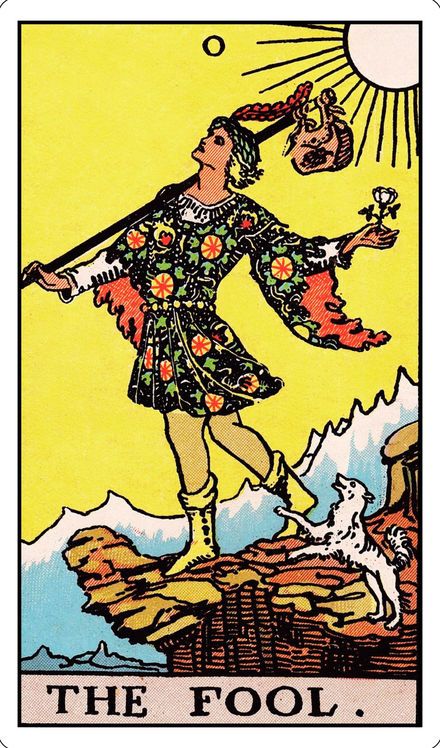
Nobody in the Rider-Waite-Smith deck is having a better day than this man, and he is one step from a drop. The gap between how he feels and where he is standing is the whole card. It is easy to read it as a warning about carelessness. It is more useful to read it as a picture of what beginning feels like from the inside: rarely careful, and almost never certain.
The card can be read as wise or as foolish. Waite’s fortune-telling meanings were blunt: folly, mania, extravagance, and frenzy. His picture of the man is kinder. The card refuses to choose. It shows the moment before anything has happened, when nobody can tell yet whether this is courage or a mistake. The card will not decide that for you.
The Fool upright meaning
A beginning that asks for faith instead of certainty.
Waite drew a young man pausing at a cliff edge, looking at the sky more than the drop, his dog still bounding. He called him the spirit in search of experience, and wrote that it is as if angels were waiting to hold him up. The Fool shows up when conditions will never be perfect and you have to move anyway. This is not naive. Some things can only be understood once you are inside them, and waiting for complete information is a decision too. The card is hopeful, but it does not promise success. It says the road is open, and that you may have less to lose than your fear suggests. It also says that the person who takes the step becomes someone different from the person standing at the edge, still calculating. When The Fool appears, the question is rarely whether you feel ready. Few people ever do. The question is whether not going will cost you more.
The Fool reversed meaning
A leap taken carelessly, or put off so long it has turned into fear.
Reversed, The Fool can go two ways, and it is worth being honest about which one fits. Waite's reversed meanings were negligence, absence, carelessness, apathy, and vanity. Sometimes it means recklessness: jumping just to feel something, or to escape a situation without heading anywhere in particular. You did not count the cost, because counting would have stopped you. Other times it means the opposite, and this is the more common reading. The step has been there for a long time. You have researched it, talked it over, and rehearsed it. Every month you wait makes it feel bigger and less possible. The reversal does not judge the leap. It asks what you are protecting by staying put, and what standing still is costing you.
A reversal is rarely the upright card's opposite. Reversed tarot cards covers the four conditions a reversal usually describes, and how to tell which one a spread is asking for. Every card's reversed meaning sits beside its upright one on reversed tarot card meanings.
The Fool in Waite's 1910 key
The meanings above are Reflecta's reading. These are the ones A. E. Waite gave in The Pictorial Key to the Tarot (1910), the guide he wrote for the deck Pamela Colman Smith drew. He wrote them for fortune-telling, a use tarot took on centuries after it began as a card game in fifteenth-century Italy. Some of his words are blunt, and none of them can tell you what will happen.
- Upright
- Folly, mania, extravagance, intoxication, delirium, frenzy, bewrayment.
- Reversed
- Negligence, absence, distribution, carelessness, apathy, nullity, vanity.
Symbolism in the card
- The cliff edge under his front foot
- He is mid-step and looking up. The card is less about the fall and more about the moment just before the ground stops being certain. That moment is where every beginning happens.
- The white rose in his left hand
- White stands for a wish that is still simple, before you start wanting a particular result. He is not holding a map or a weapon. He holds something fragile that will not last the trip, and he carries it lightly anyway.
- The small dog at his heel
- Read the dog as instinct. It is not stopping him. It moves with him. That is the difference between being reckless and taking a risk your gut agrees with.
The Fool in love and relationships
Upright. A relationship just starting, or an existing one where someone is taking a risk again. The card favors saying how you really feel, even without knowing how it will land. If you are single, it points to being open more than to a specific person. Being available may be the work right now.
Reversed. Either rushing into something to avoid being alone, or holding back a feeling you have carried for months because saying it would change things. Ask which one it is. The first needs slowing down. The second may need a conversation you have been putting off.
The Fool in career and work
Upright. New work, a change of direction, or a project nobody asked you to do. The card favors the move you cannot fully justify on paper. You may lack experience, but that does not rule you out. Being willing to be a beginner in public may be your real strength.
Reversed. A jump made without the groundwork, or a job you have outgrown and keep not leaving. If you are about to move, check what you are moving away from. If you have been about to move for a year, the planning may have become a way to avoid it.
The Fool in money
Upright. Financial risk taken with your eyes open: a new venture, an investment in something unproven, or spending on a fresh start instead of security. The card promises no return and cannot weigh the risk for you. That part belongs to the numbers, and to a professional when the stakes are real.
Reversed. Spending without looking, or taking a risk because someone else is confident, without understanding it yourself. Or the opposite: it never feels like the right time, so the money sits still while the opportunity passes.
The Fool as feelings
Upright. As feelings, The Fool describes something light, curious, and unattached. Someone is enjoying it without having decided what it is. The card cannot speak for anyone's heart, and a missing label does not mean a missing feeling. Whether that feels freeing or frustrating depends on what you need.
Reversed. Uncertainty that has started to feel evasive. The card may point to interest that will not commit, or to someone keeping their options open. It can also describe a fear of getting it wrong. What someone does over time will tell you more than the card can.
The Fool in a reading position
The same card answers differently depending on what the position asked it. These are the readings for the positions people ask about most.
The Fool as someone's intentions
Upright. As an intention, The Fool points to a wish to start something without yet knowing what it will become. Real but unshaped is different from casual. Pushing for a definition too early tends to produce an answer nobody can stick to.
Reversed. Reversed, it can describe a plan to move that never moves, or a plan focused on leaving more than on arriving. Either way, the plan may have been rehearsed so long that talking about it has replaced doing it.
The Fool as action
Upright. Consider stepping off the edge. The card asks for the move you cannot fully justify on paper, taken while you know less than you would like. Some things can only be understood once you are in them.
Reversed. Consider putting the preparation down. The action may be to find out what the waiting is protecting, especially if the research ended a while ago and each extra month has made the same step look further away.
The Fool as how someone sees you
Upright. The card may describe being seen as free and interesting, someone whose next move is hard to predict. It is a flattering picture with a gap in it: nothing you have shown so far is settled enough to count on.
Reversed. Reversed, it may describe being seen as hesitating in plain sight, someone who has come up to the same decision more than once. In this picture, being open has started to look like being undecided.
The Fool as an obstacle
Upright. The obstacle is the drop itself. Nothing here can be turned into a sure thing before you start. Wanting a guarantee first may be what is keeping you from beginning.
Reversed. Fear dressed up as planning. Notice whether the step has been there for months and the preparation is finished. If so, more thinking may just be avoidance that looks like groundwork.
The Fool as an outcome
Upright. Something begins, and the card does not show the ending. As an outcome, The Fool points to an open road. Read it as permission to go. It does not forecast where you will land.
Reversed. It stalls at the edge, or it goes ahead with nothing checked. The cards beside it will show which. If you are honest with yourself, you will probably know.
The Fool as advice
Upright. Consider going without the guarantee. Conditions may never get good enough to make this feel safe. And the person who takes the step becomes someone different from the one standing at the edge, doing the math.
Reversed. Count the cost of staying. The advice here is to work out what not going is costing you. That cost never shows up on the list of reasons to wait.
Is The Fool a yes or a no?
Upright, it leans yes. Reversed, it leans no.
Upright, The Fool leans yes, with a condition: you go without a guarantee. It does not promise the outcome. It only says the road is open. Reversed it leans no. Often the timing feels wrong, or the leap is a way to escape something instead of going toward something. Treat either answer as a leaning to weigh. The choice is yours.
Every card's leaning in one table, upright and reversed, is on yes or no tarot, along with what a maybe is asking you to do.
The Fool as a birth card
2,051 of the 36,890 dates between 1925 and 2025, 5.6% of them, give The Fool as a birth card, and it is the only card in the deck that arrives from a total the reduction refuses to split. Every other sum is added down until it is 22 or lower, and then added down once more if it has landed on 10 or higher. A total of exactly 22 stops there: it wraps to the card numbered zero instead of reducing to 4. A birthday that lands on 22 is always one card and never a pair.
Which card is yours comes from your birthday rather than from the deck. The tarot birth card calculator runs the reduction on a date of birth and shows every step of it. The date stays in the browser.
The Fool card combinations
- +The Fool and The Magician
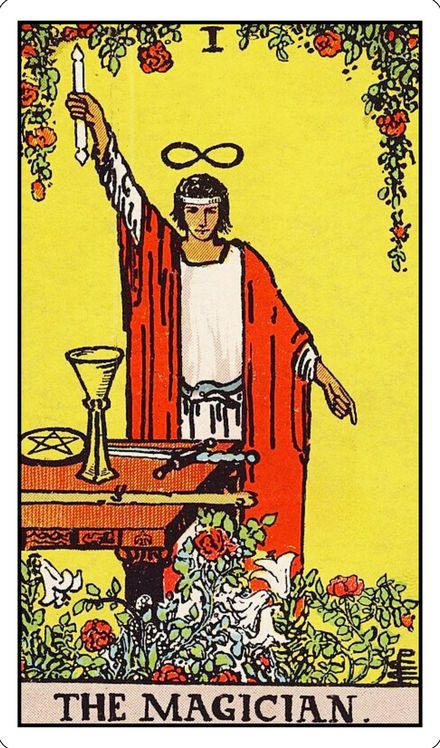
- The urge to begin, followed by the skill to act on it. The Fool brings the willingness, and The Magician brings the means. Together they are one of the strongest starts in the deck. They suggest the idea may work as well as appeal.
- +The Fool and The Tower
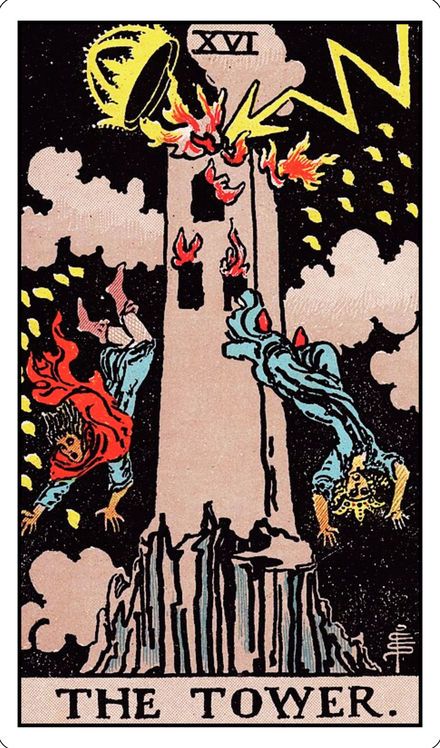
- A beginning that comes because something collapsed, with no choice involved. The leap is not voluntary here. The Fool softens The Tower a little: it suggests there is solid ground on the other side, even if the way there was sudden.
- +The Fool and The World
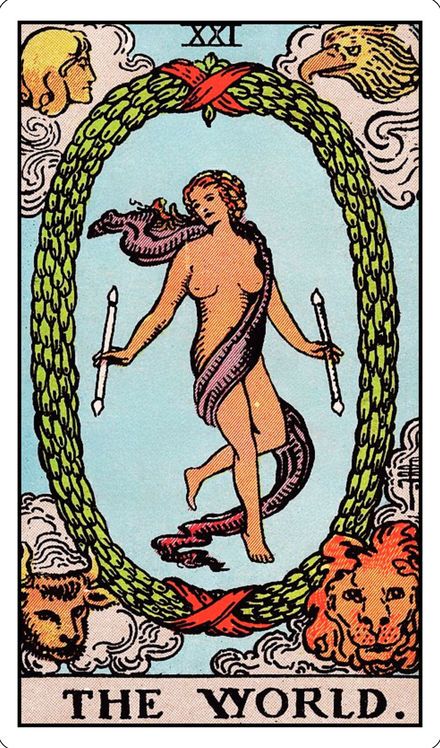
- The two ends of the same road, side by side. Usually it means one cycle is finishing and the next is already in sight. That is rarer and better than it sounds. Most endings do not hand you a new beginning.
- +The Fool and Death
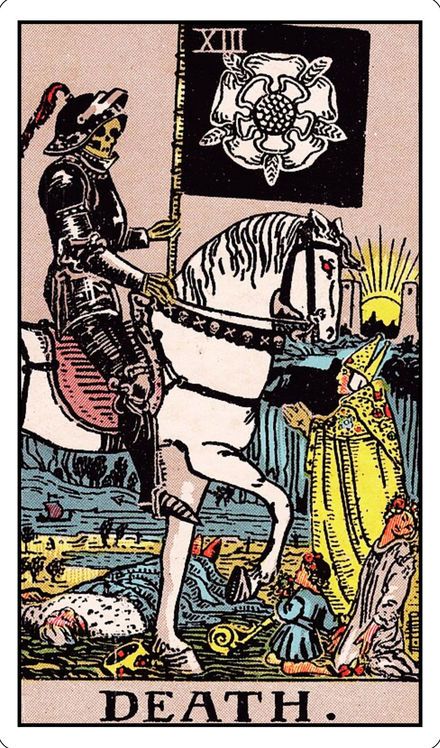
- A beginning that needs a real ending first. This pairing does not allow half-measures. You cannot have the new thing and keep the old one. The sooner you accept that, the easier the change tends to be.
Every pairing on this site, The Fool's included, is collected on tarot card combinations.
I can begin without knowing how it ends.
The Fool: common questions
- Is The Fool a good card?
- Yes, though not in a guaranteed way. The Fool is one of the most hopeful cards in the deck, because it says the road is open and you have room to move. It does not promise the outcome. It is good the way a clear morning is good for setting out. Arriving is a separate question.
- What does The Fool mean in a love reading?
- A beginning, or a risk taken inside a relationship that already exists. Upright it favors honesty, with no guarantee of how it lands. Reversed, ask yourself if you are rushing to avoid being alone, or holding back something true because saying it would change things.
- Does The Fool mean I should quit my job?
- It points to an open door. Walking through it today is a separate decision. The Fool describes being willing to begin without certainty. Whether that is wise depends on the cards around it and the practical facts of your life. Tarot cannot see those. You can.
- Why is The Fool numbered zero?
- Zero sits outside the sequence instead of at the start of it, and that is the point. The Fool is less the first step of the Major Arcana and more the traveler who walks through all of it. That is also why the card can appear anywhere in a reading and still mean a beginning.
There is also a page on what Reflecta does with a reading once the cards are down.