10 of Wands
Ten of Wands
- burden
- responsibility
- hard work
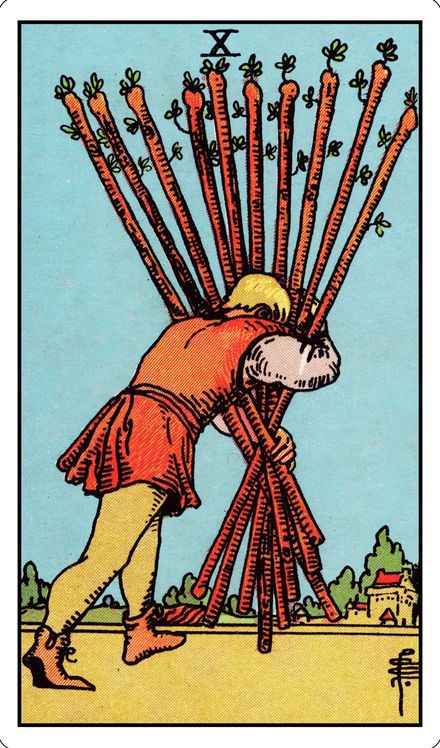
The Ten of Wands means carrying too much, close to the end. A man walks toward a town with ten staves in his arms, bent over, unable to see past them. Waite called its chief meaning simply oppression, including the weight of success itself. As a yes or no it leans no, and the no is about capacity: the thing may be worth doing, but there is no room left to take it on. Reversed it leans yes, because weight can come off and room can come back.
- Element
- Fire
- Astrology
- Saturn in Sagittarius
- Numerology
- 10, the full count of the suit
- Yes or no
- no
The town is right there. You can see it in the picture, a short walk ahead, perfectly clear.
He cannot. His head is bent below the top of the bundle, and the ten staves are right in front of his face. Everyone looking at this card can see how close he is to arriving, except the person doing the carrying.
Ten of Wands upright meaning
Carrying so much you cannot see past it.
The Ten of Wands ends the fire suit with a picture of that energy left unmanaged. A man carries ten staves in his arms, bent so far forward that his head is below the top of the bundle. The town is a short walk ahead, and he cannot see it. Waite called its chief meaning simply oppression. He added that it can also mean fortune, gain, and success, and then the weight of those things. In readings it covers overwork, responsibilities that piled up without being chosen, and being so loaded that you lose sight of why you are carrying it all. Its most useful point is that the way he carries them makes no sense. Nobody would choose to carry ten staves in their arms. They were added one at a time, and each one seemed reasonable at the time. The one piece of good news is that he is nearly there. Its question is whether all ten needed to come along, and the honest answer is rarely yes.
Ten of Wands reversed meaning
Putting some of it down, or collapsing under it.
Reversed, the Ten of Wands is usually relief. Weight comes off: you delegate something, hand a responsibility back, end a commitment, or realize that several of the staves were never yours. This is the good reading, and the more common one. It often comes with the realization that nobody asked you to carry most of this. Its second reading is collapse. The load gets dropped instead of set down, so gravity decides what goes. That is exactly what the upright card asks you to notice in time. A third reading is refusing to delegate. Help is available, and you will not take it. Usually that is because handing something over would mean admitting how heavy it is, or trusting someone else to carry it well. Waite's reversed meanings were opposition, difficulties, and schemes.
A reversal is rarely the upright card's opposite. Reversed tarot cards covers the four conditions a reversal usually describes, and how to tell which one a spread is asking for. Every card's reversed meaning sits beside its upright one on reversed tarot card meanings.
Ten of Wands in Waite's 1910 key
The meanings above are Reflecta's reading. These are the ones A. E. Waite gave in The Pictorial Key to the Tarot (1910), the guide he wrote for the deck Pamela Colman Smith drew. He wrote them for fortune-telling, a use tarot took on centuries after it began as a card game in fifteenth-century Italy. Some of his words are blunt, and none of them can tell you what will happen.
- Upright
- A card of many significances, and some of the readings cannot be harmonized. I set aside that which connects it with honor and good faith. The chief meaning is oppression simply, but it is also fortune, gain, any kind of success, and then it is the oppression of these things. It is also a card of false-seeming, disguise, perfidy. The place which the figure is approaching may suffer from the rods that he carries. Success is stultified if the Nine of Swords follows, and if it is a question of a lawsuit, there will be certain loss.
- Reversed
- Contrarieties, difficulties, intrigues, and their analogies.
Symbolism in the card
- The ten staves bundled and held in front
- Waite describes a man weighed down by ten staves. He carries them in his arms, in front of him, which is the hardest way to move them. Nobody planned it this way. The load built up.
- His head bent below the top of the bundle
- He cannot see over what he is carrying. The town he is walking toward is visible to us and hidden from him. That is the whole card.
- The town a short distance ahead
- The town is close and clearly drawn. He is nearly there. Everyone can see the destination except the person doing the carrying.
Ten of Wands in love and relationships
Upright. Carrying a relationship on your own, or bringing so much outside stress home that there is nothing left for it. It can also mean being the one who handles everything for two people.
Reversed. Sharing the load, or a relationship ending because there was no energy left for it. The first is a relief, and the second is usually avoidable.
Ten of Wands in career and work
Upright. Overwork, too many responsibilities, or a role that has gathered up other people's jobs. It is common, and the card treats it as a design problem.
Reversed. Delegating, resigning, or a workload finally being cut down. It can also be the moment something gets dropped, because nothing was put down on purpose.
Ten of Wands in money
Upright. Financial obligations that have piled up: debts, people who depend on you, and commitments that were fine one at a time but are too much together.
Reversed. A financial burden lifting, or restructuring what you owe. It often starts with saying the number out loud to someone you trust.
Ten of Wands as feelings
Upright. Overloaded, with you somewhere in the pile. The card describes feelings that may be real, with no energy right now to act on them. That would be about circumstances more than about you.
Reversed. Room being made, or the relationship being set down because there is no room to make. The card cannot say which, and it may depend on what else is being set down.
Ten of Wands in a reading position
The same card answers differently depending on what the position asked it. These are the readings for the positions people ask about most.
Ten of Wands in the past position
Upright. A load picked up one piece at a time, each piece reasonable when it was added. This position rarely holds one single event. That is why nobody ever examined the arrangement as a decision.
Reversed. Something was put down, or dropped. Either way, the weight came off before the situation you are asking about. What lingers is the habit of carrying, formed while the load was still on.
Ten of Wands in the present position
Upright. You cannot see past what you are holding. The town is a short walk ahead, and everyone can see it except the person carrying the load. That is this position exactly.
Reversed. Weight is coming off, along with the realization that several of these were never yours. The other version is collapse, where gravity chooses what gets dropped.
Ten of Wands in the future position
Upright. On this path, the load gets delivered, and you arrive bent over. The card points to finishing. The question it leaves you with is whether all ten need to come.
Reversed. Something may get put down before the end. By choice, that is relief. By collapse, it is the same relief arriving in the worst possible way. Which one happens is still up to you.
Past, present and future are the three positions of the three card tarot spread, which explains why the past card is read as a cause and the future card as a direction of travel that can still change.
Is Ten of Wands a yes or a no?
Upright, it leans no. Reversed, it leans yes.
Upright it leans no, specifically about capacity. The thing may be worth doing, but there is no room left to take it on. Reversed it leans yes, because it usually describes weight coming off. That gives back the room the upright card is missing.
Every card's leaning in one table, upright and reversed, is on yes or no tarot, along with what a maybe is asking you to do.
Ten of Wands card combinations
- +Ten of Wands and Two of Pentacles
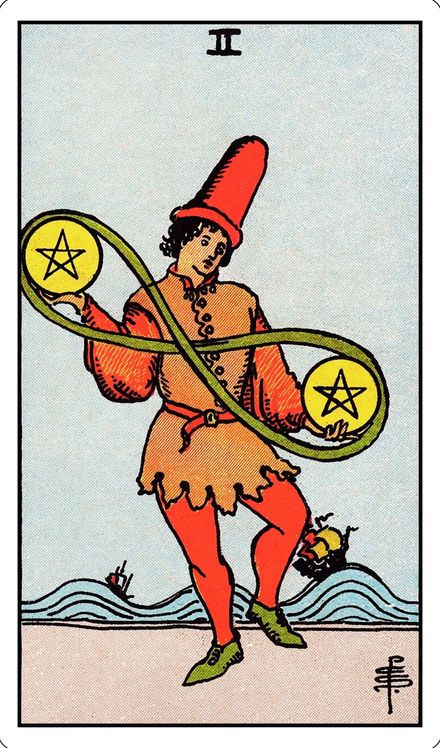
- Two cards about carrying too much, from different angles. Together they make a fairly direct case for putting something down before the choice is made for you.
- +Ten of Wands and Nine of Wands
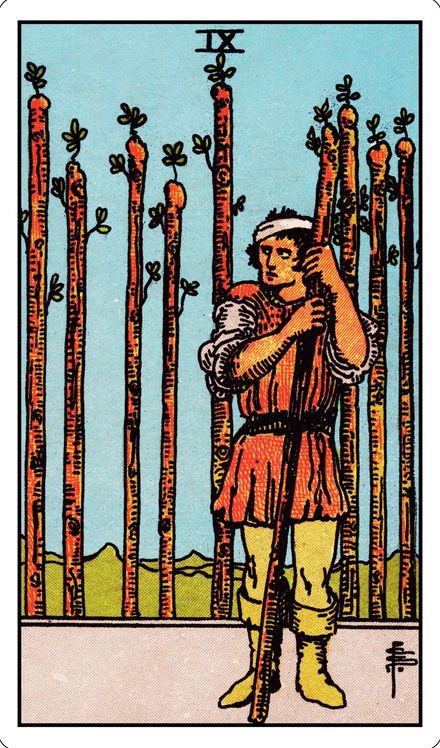
- Endurance next to overload. It often suggests that persistence is no longer the issue. The weight is, and that needs a completely different response.
- +Ten of Wands and The Hanged Man
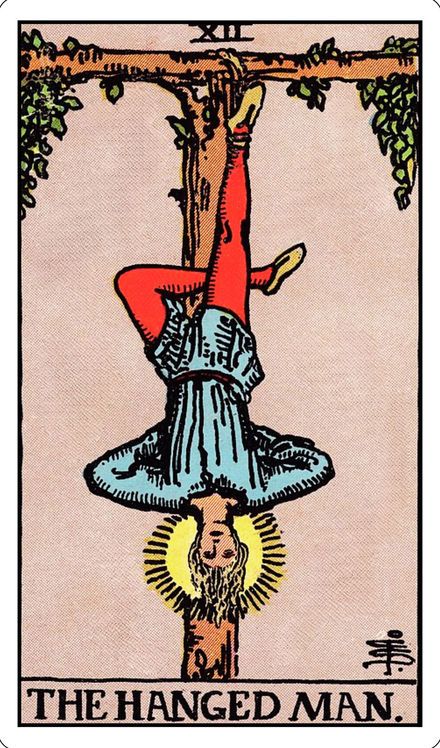
- A burden meets a forced pause. It can suggest stopping may come whether you choose it or not, and choosing it usually costs less.
- +Ten of Wands and Four of Swords
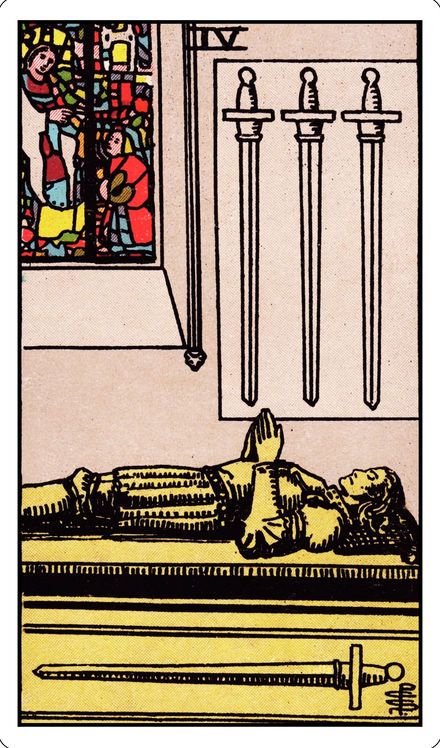
- The load, and rest. A firm pairing: the next step looks like stopping, and the deck is not subtle about it.
- +Ten of Wands and The Emperor
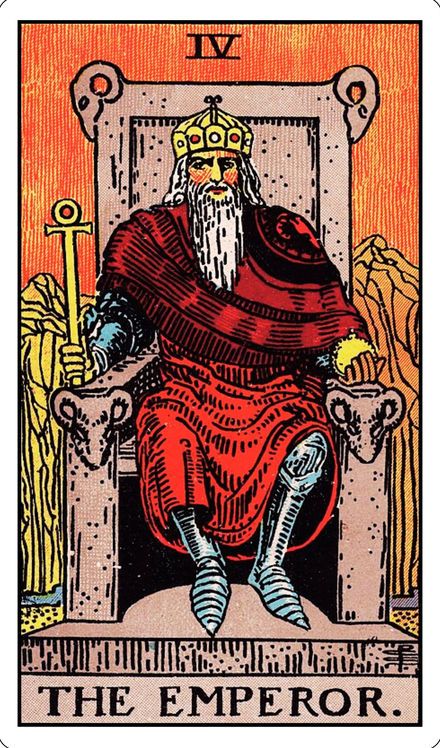
- A load carried alone where a structure was needed. The pair treats the overload as a design flaw. The fix is dull: someone has to decide who carries what.
- +Ten of Wands and Six of Swords
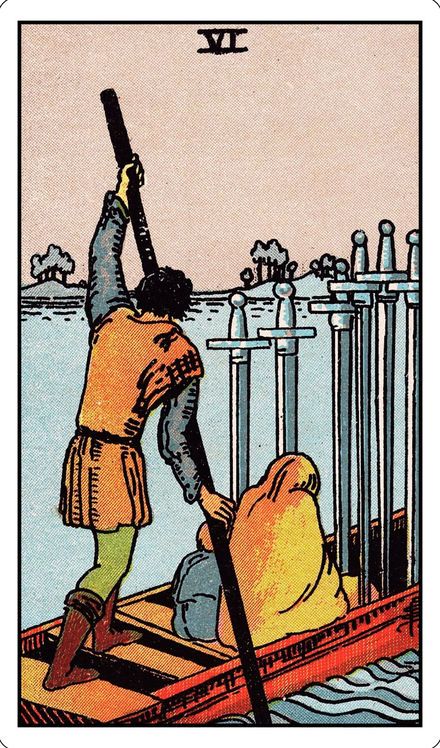
- Leaving with the bundle still in your arms. Worth reading closely in a spread about moving on. Leaving does not, by itself, put anything down.
Every pairing on this site, Ten of Wands's included, is collected on tarot card combinations.
Some of this is not mine to carry.
Ten of Wands: common questions
- What does the Ten of Wands mean?
- It means carrying so much you cannot see past it. A man walks toward a nearby town with ten staves in his arms, bent so far forward that everyone can see the destination except him. Waite called its chief meaning oppression, including the weight of success. It covers overwork and responsibilities that piled up.
- Is the Ten of Wands about burnout?
- Closely. It describes being so loaded that you lose sight of why you are carrying it all, which is one of the clearest signs of burnout. The card treats it as a design problem. If burnout is affecting your health, talk to a doctor. The card can only help you look at the load.
- What is the good news in the Ten of Wands?
- He is close. The town is a short walk ahead and clearly drawn, so he is nearly there. The card's question is whether all ten staves needed to come, and the honest answer is rarely yes.
- What does the Ten of Wands reversed mean?
- Usually relief: weight coming off, something delegated or handed back, or realizing that several of the staves were never yours. Less happily, it can mean collapse, where the load drops because nothing was put down on purpose.
There is also a page on what Reflecta does with a reading once the cards are down.