Major Arcana · 20
Judgement
- rebirth
- inner calling
- absolution
- reflection
Judgement points to a call you can hear, one that asks for an answer. It covers reckoning, awakening, and the moment a whole stretch of your life suddenly makes sense. Upright it favors taking an honest look at yourself and answering what you already sense is being asked of you. Reversed it points to ignoring the call, or to judging yourself so harshly that you cannot move.
- Element
- Fire
- Astrology
- Pluto
- Numerology
- 20, which adds up everything that came before
- Yes or no
- yes
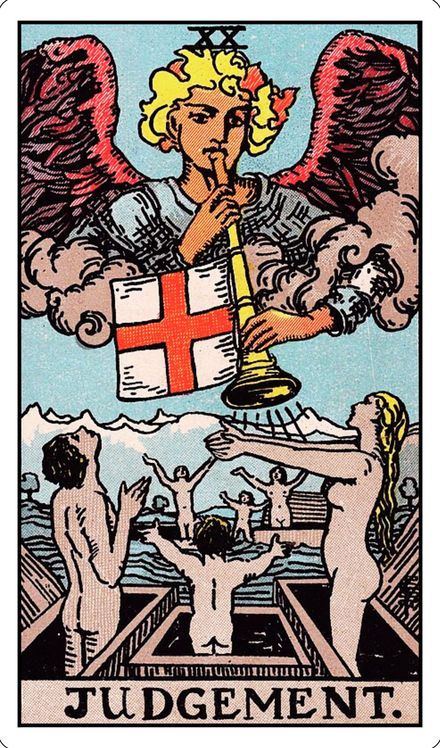
Nobody in this picture is being punished. That is worth saying first, because the card is called Judgement and the name does most of the damage.
The figures are standing up out of their coffins on their own, arms open, faces raised. Waite saw wonder and ecstasy in all of them. Whatever the trumpet is announcing, they answer it willingly, and they look something like relieved. The card is a call. It passes no sentence. The hard part comes after: once you have heard the call, it is very hard to pretend you have not.
Judgement upright meaning
A call you can hear, asking for an answer.
Judgement is the card of a period of your life suddenly making sense. Waite called it the card of the great work of transformation, answering a summons from above that is heard from within. His meanings were change of position, renewal, and outcome. Pieces come together, often a whole chapter at once. You can see what you were doing, what it cost, what you learned, and what is now being asked of you. That clarity is the reckoning, and guilt is only a small part of it. The card also carries a real call. Something is asking for you, and you can hear it: a vocation, an overdue decision, or a way of living that has been waiting. Once you have heard it, ignoring it stops feeling neutral. Not answering becomes an answer too. The card's most useful quality is that it asks for an honest look at yourself without punishing yourself. The figures rise with their arms open. The card asks for an accurate account, and then asks you to get up. Feeling bad is not the point.
Judgement reversed meaning
A call ignored, or self-judgment that keeps you stuck.
Reversed, Judgement goes wrong in two ways. Waite's reversed meanings were weakness, cowardice, and simplicity, and also deliberation, decision, and sentence. The first is avoidance. You have heard the call and you keep declining it, usually with sensible-sounding reasons. Maybe next year. Maybe once things settle down. The card tends to show up when the delay has gone on so long that it has become the decision. It asks, fairly directly, whether you already know this. The second is harsher and more common. Looking at your own record turns into attacking yourself, and the review only ever ends in a guilty verdict. It looks like taking responsibility, but it keeps you stuck. The sign is that it never leads to action. A real reckoning ends in movement. There is also a reading about being judged: living under someone else's constant assessment, or holding a fixed verdict over another person that leaves them no room to change.
A reversal is rarely the upright card's opposite. Reversed tarot cards covers the four conditions a reversal usually describes, and how to tell which one a spread is asking for. Every card's reversed meaning sits beside its upright one on reversed tarot card meanings.
Judgement in Waite's 1910 key
The meanings above are Reflecta's reading. These are the ones A. E. Waite gave in The Pictorial Key to the Tarot (1910), the guide he wrote for the deck Pamela Colman Smith drew. He wrote them for fortune-telling, a use tarot took on centuries after it began as a card game in fifteenth-century Italy. Some of his words are blunt, and none of them can tell you what will happen.
- Upright
- Change of position, renewal, outcome. Another account specifies total loss through lawsuit.
- Reversed
- Weakness, pusillanimity, simplicity; also deliberation, decision, sentence.
Symbolism in the card
- The figures rising with arms open
- Waite says all the figures are as one in wonder, adoration, and ecstasy. Nobody is being dragged. They get up on their own, with nothing hidden. That makes the card a call to respond. There is no punishment in it.
- The angel's trumpet, sounded from above
- Waite describes a great angel among clouds blowing a trumpet hung with a banner. He wrote that the summons is heard and answered from within. A sound everyone hears at once. The card describes a call that is hard to keep private or deny. That is what makes it different from ordinary reflection.
- The gray coffins on open water
- Waite says the dead are rising from their tombs. In Smith's drawing the coffins float on open water. Whatever lay dormant was set adrift instead of buried, and now it has drifted back to shore.
Judgement in love and relationships
Upright. A relationship reaching a moment of honest reckoning, or a meaningful reconnection with someone from your past. The card favors talking frankly about what has happened between you.
Reversed. Old grievances held as a permanent verdict, or a relationship where nobody is allowed to change. It can also point to avoiding the conversation that would settle things one way or the other.
Judgement in career and work
Upright. A calling becoming clear, a career review that gets it right, or the moment you see what a whole stretch of work was for. The card favors acting on a direction you have been sensing.
Reversed. Ignoring a calling because the practical side is inconvenient, or a work review that feels unfair. It can also mean self-criticism that no longer helps you improve.
Judgement in money
Upright. A money reckoning that helps instead of punishes. You look at the whole picture honestly, and make your decisions from there.
Reversed. Avoiding the full financial picture, or shame about past decisions getting in the way of sensible ones now. The card asks if the guilt is helping at all.
Judgement as feelings
Upright. As feelings, Judgement describes a considered conclusion, based on everything that has happened and not just the recent part. The card cannot tell you what anyone has decided about you. It describes a feeling that can explain itself, and you can ask for that explanation.
Reversed. Reversed, it can describe a judgment based on an old version of events, or self-criticism that leaves someone little to give. The card cannot read another person. It can ask if you are being measured against who you used to be.
Is Judgement a yes or a no?
Upright, it leans yes. Reversed, it leans no.
Upright it leans yes, with a request attached. The answer is yes, and it may ask you to face something and act instead of carrying on as before. Reversed it leans no. Often the call is being avoided, or harsh self-criticism has made action feel impossible. Treat the leaning as something to reflect on. The choice is still yours.
Every card's leaning in one table, upright and reversed, is on yes or no tarot, along with what a maybe is asking you to do.
Judgement as a birth card
1,978 of the 36,890 dates between 1925 and 2025, 5.4% of them, give Judgement as a first birth card, and it never arrives on its own. 20 reduces to 2, so The High Priestess is always the card underneath it.
Which card is yours comes from your birthday rather than from the deck. The tarot birth card calculator runs the reduction on a date of birth and shows every step of it. The date stays in the browser.
Judgement card combinations
- +Judgement and The World
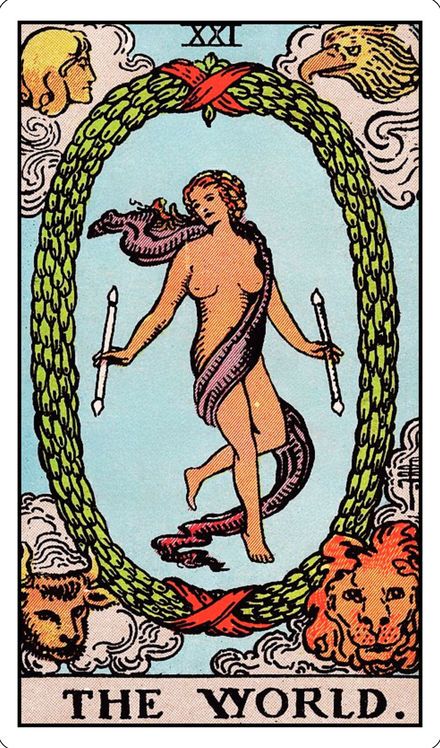
- The last two cards of the Major Arcana. A reckoning followed by completion. It often suggests the accounting is done and something is properly finished.
- +Judgement and Death
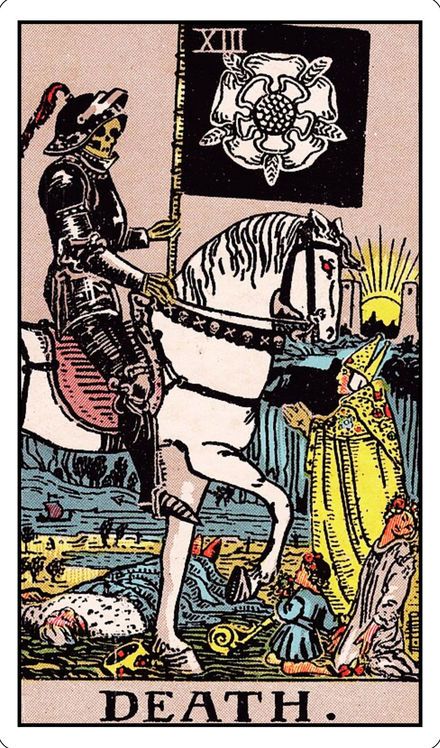
- An ending you have to accept on purpose. Together they favor closing something deliberately instead of letting it fade, with the review as part of the ending.
- +Judgement and Justice
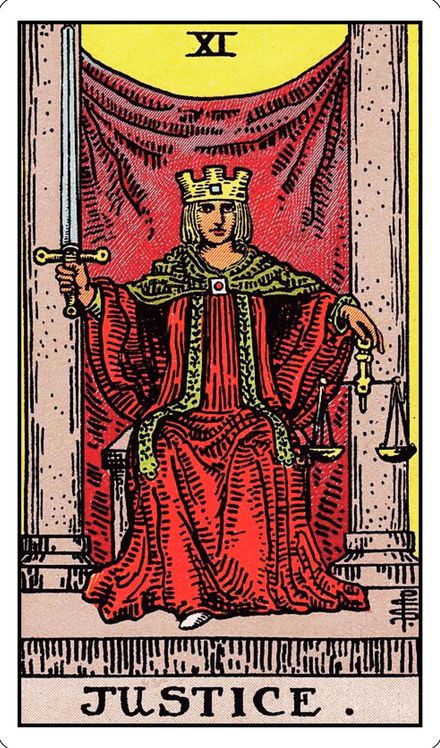
- Two cards about taking account. Justice weighs the facts of one event. Judgement looks at a whole period. Together they suggest a specific consequence and a wider rethink.
- +Judgement and The Hermit
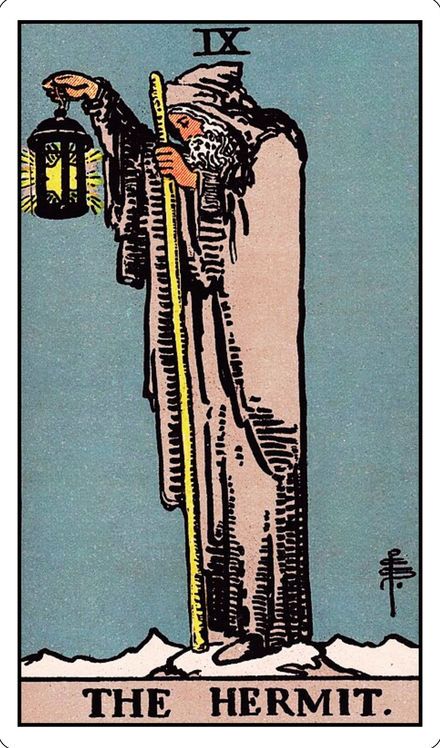
- Private reflection that leads to a public response. It often points to a long quiet period turning into a decision other people notice.
Every pairing on this site, Judgement's included, is collected on tarot card combinations.
I can look at all of it and still move.
Judgement: common questions
- What does the Judgement card mean?
- It points to a call you can hear, one that asks for an answer. It covers reckoning and the moment a whole period of your life makes sense at once. Waite's meanings were change of position, renewal, and outcome. Upright it favors an honest look at yourself and acting on what you sense is being asked. Reversed it points to ignoring the call, or to self-judgment that keeps you stuck.
- Is Judgement a good or bad card?
- Good, but demanding. Guilt is a small part of it, and the figures rise with their arms open. The hard part is that it asks for an honest account of a whole period, and then asks you to act on it. Once you have heard the call, ignoring it stops feeling neutral.
- What is the difference between Justice and Judgement?
- Justice weighs the facts of one event and brings a fair consequence. Judgement looks at a whole chapter and asks what it meant and what comes next. Justice is about something you did. Judgement is a call about who you are becoming.
- What does Judgement reversed mean?
- Either a call being turned down with sensible-sounding excuses, where the delay has quietly become the decision, or self-review that has turned into self-attack. You can spot the second because it never leads to action. A real reckoning ends in movement.
There is also a page on what Reflecta does with a reading once the cards are down.