Major Arcana · 13
Death
- endings
- transformation
- transition
- letting go
Death points to an ending that may already be underway. Tarot cannot predict a literal death, and the card is not read that way. It marks the point where something may be over, and asks how you want to let it finish. As a yes or no answer it leans no: no to things continuing, yes to what comes next. Reversed it also leans no, often because something that has ended is being kept going.
- Element
- Water
- Astrology
- Scorpio
- Numerology
- 13, the number that closes the first cycle
- Yes or no
- no
Everyone wants to know if this one means what they think it means. It does not, and tarot cannot predict that. In practice this card is about endings that have already started, and it is not a forecast of anyone’s death.
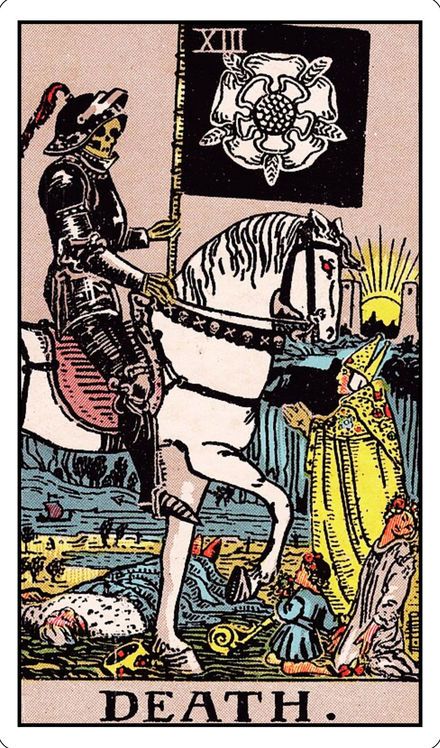
The more interesting part is the background. Behind the rider, between two pillars, the sun is coming up. Waite called it the sun of immortality. The most feared image in the deck has a sunrise in it. You cannot look at the ending without also seeing what comes after it.
Death upright meaning
An ending that may already be happening, and that asks to be allowed to finish.
Death is the most misread card in the deck, so it is worth saying plainly: tarot cannot predict a literal death, and Reflecta never reads it that way. Waite wrote that the image stands for change, transformation, and passage from lower to higher. His fortune-telling meanings did include an end and mortality, from a time when cards were used to forecast. No card can know that. The card marks change that has already begun. Something may be over. It could be a relationship, a job, an old version of yourself, or a belief you built your life around. The card does not ask whether you want this. It names what may have already happened and asks how you want to handle what is left. The hard part is the finality. Most endings in life are unclear and can be reopened. Death is the card for the ones that feel settled. That is frightening, and it is also a relief. Not knowing is exhausting, and there is real rest in something being finished. The sunrise behind the rider is there on purpose. Something new is already forming, ready or not.
Death reversed meaning
An ending you are resisting, kept going at a cost.
Reversed, Death is often harder than upright. Waite's reversed meanings were inertia, sleep, lethargy, and hope destroyed. Upright, the ending at least completes. Reversed, something that is over is being kept in place. It might be a relationship nobody will end, a job you mentally left a year ago, or an identity you have outgrown but keep acting out. Nothing moves, and it all costs you. The card does not judge this. Holding on is a natural response to loss. Usually there is a specific fear underneath: that what comes next will be worse, or that ending it means the whole thing was a mistake. It rarely does. Another reading is a fear of change so strong that the situation cannot move at all. Sometimes the reversal is good news: a change that finally starts after a long stall.
A reversal is rarely the upright card's opposite. Reversed tarot cards covers the four conditions a reversal usually describes, and how to tell which one a spread is asking for. Every card's reversed meaning sits beside its upright one on reversed tarot card meanings.
Death in Waite's 1910 key
The meanings above are Reflecta's reading. These are the ones A. E. Waite gave in The Pictorial Key to the Tarot (1910), the guide he wrote for the deck Pamela Colman Smith drew. He wrote them for fortune-telling, a use tarot took on centuries after it began as a card game in fifteenth-century Italy. Some of his words are blunt, and none of them can tell you what will happen.
- Upright
- End, mortality, destruction, corruption; also, for a man, the loss of a benefactor; for a woman, many contrarieties; for a maid, failure of marriage projects.
- Reversed
- Inertia, sleep, lethargy, petrifaction, somnambulism; hope destroyed.
Symbolism in the card
- The bishop standing in the rider's path
- Waite describes a prelate with clasped hands awaiting his end, while a king, a child, and a maiden fall before the rider. Status protects nobody here, and the card shows that meeting an ending standing up is possible, though rare.
- The white rose on the black banner
- Waite calls it the Mystic Rose, which signifies life. A living flower on the flag of an ending. It shows that something survives this change, so the card means transformation, and never total loss.
- The sun rising between two pillars behind
- Waite calls it the sun of immortality, shining between two pillars on the horizon. A sunrise sits in the background of the deck's most feared card. The ending is in front, and what comes after is already visible if you look past the rider.
Death in love and relationships
Upright. A relationship ending, or ending in its current form. Sometimes it means a real transformation: the old version of the relationship is over, and something different is possible between the same two people. The card cannot say which. It asks you to notice what has already changed.
Reversed. A relationship kept going after it has ended, or a breakup that never quite finishes. It can also point to grief that has not been allowed to run its course, where the door stays open so the loss never feels real.
Death in career and work
Upright. A job, an industry, or a stage of your career coming to an end. Sometimes it is already over in practice and only the formal step is left. The card asks if the thing that made this role work is still there.
Reversed. Staying in a role long after you left it in your head. This card often shows up when someone can explain exactly why they should leave, and has a ready excuse for why not yet.
Death in money
Upright. A financial chapter closing: a debt paid off, an income ending, or a way of earning that no longer works. The card favors facing the new numbers honestly. Where the stakes are high, get real advice.
Reversed. Paying to keep something going that has already ended. It might be a business, a cost from a former life, or an arrangement you keep because ending it would mean admitting it is over.
Death as feelings
Upright. As feelings, Death describes something that has changed. A feeling may have ended in its old form, or turned into something different. The card cannot tell you what is in someone else's heart, and it is no verdict on you. It can ask what you have already noticed.
Reversed. Reversed, it can describe feelings kept going out of habit, or out of fear of a hard conversation. It can also mean a change that is halfway through and not yet settled. The card cannot speak for another person. It can ask what you need while things are unclear.
Is Death a yes or a no?
Upright, it leans no. Reversed, it leans no.
Upright it leans no. The thing you are asking about may be ending, and the card says yes only to what comes after. Reversed it also leans no, in a more frustrating way. It can describe something that is over but is being kept going anyway. Read it as a question about what is finishing. It passes no verdict on your life.
Every card's leaning in one table, upright and reversed, is on yes or no tarot, along with what a maybe is asking you to do.
Death as a birth card
954 of the 36,890 dates between 1925 and 2025, 2.6% of them, give Death as a first birth card, and it never arrives on its own. 13 reduces to 4, so The Emperor is always the card underneath it.
Which card is yours comes from your birthday rather than from the deck. The tarot birth card calculator runs the reduction on a date of birth and shows every step of it. The date stays in the browser.
Death card combinations
- +Death and The Tower
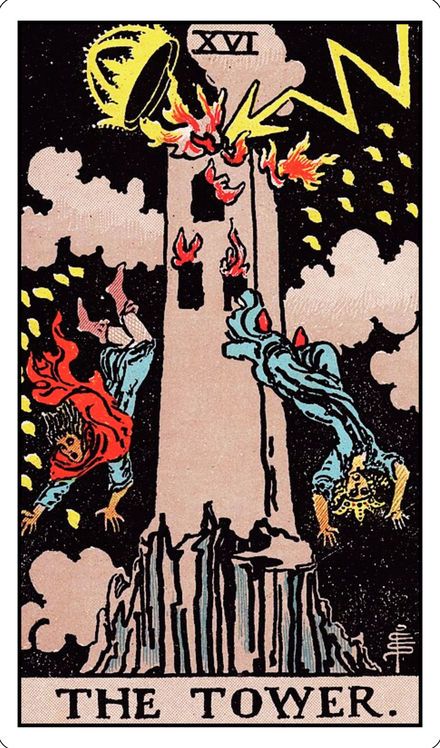
- Two kinds of ending. Death is a gradual process that completes. The Tower is a sudden collapse. Together they can point to a slow ending that something outside finishes all at once.
- +Death and The Fool
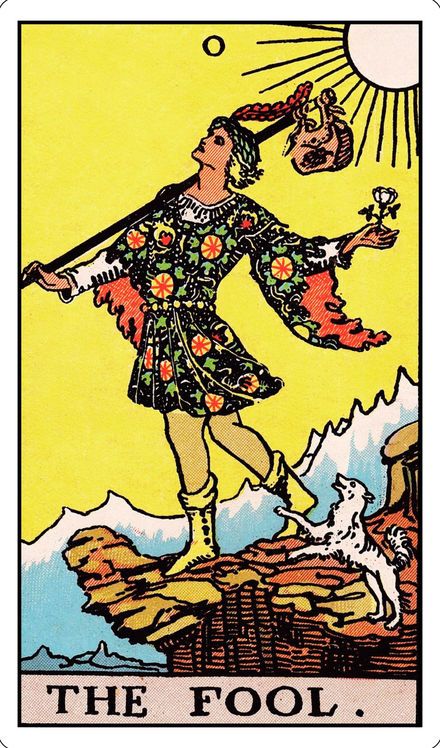
- An ending that leads straight into a beginning. You cannot have the new thing and keep the old one. Accepting that early usually makes the change quicker.
- +Death and The Star
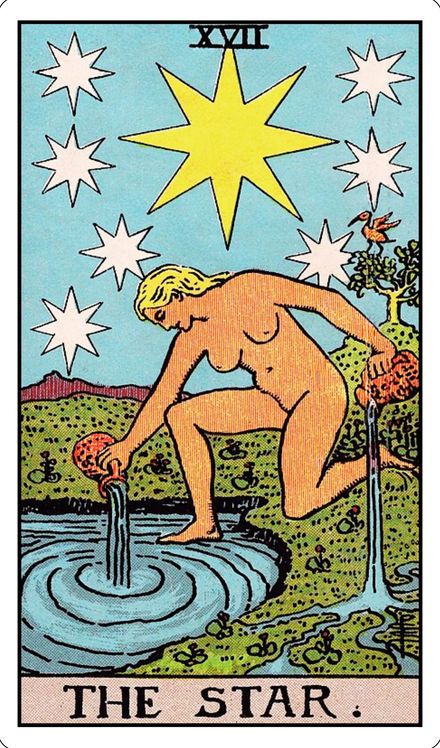
- What comes after. One of the most hopeful sequences in the deck, it points to recovery after the ending, and to something better than a repeat of what came before.
- +Death and The Emperor
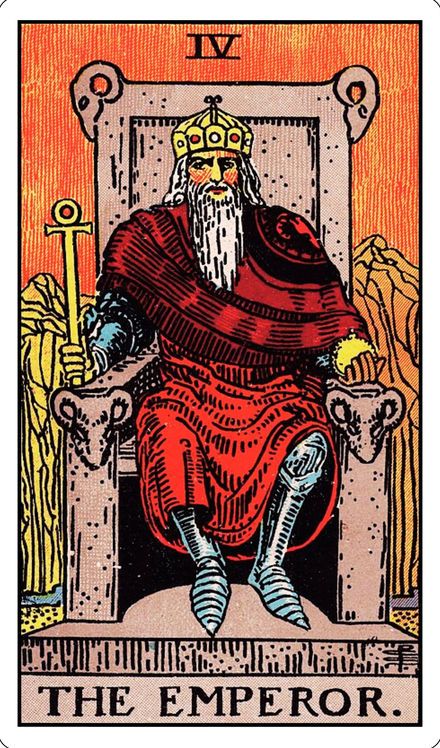
- An ending you have to decide on, instead of waiting it out. Together they favor taking something apart on purpose before it collapses, which is usually easier on everyone.
Every pairing on this site, Death's included, is collected on tarot card combinations.
I can let this be over.
Death: common questions
- Does the Death card mean someone will die?
- No. Tarot cannot predict anyone's death, and Reflecta never reads the card that way. It is the most common fear about tarot. The card means change: something is ending, and the ending has already begun. It might be a relationship, a role, or a version of yourself. Waite's 1910 meanings did include mortality, from the fortune-telling era. He also read the picture as change and transformation.
- What does the Death card mean?
- An ending that may already be underway. The hard part is finality. Most endings can be reopened, and this card describes the kind that feel settled. That is why it frightens people, and also why it brings relief: not knowing is more tiring than an ending.
- What does Death reversed mean?
- Something that is over but is being kept in place. It might be a relationship nobody will end, a job you mentally left a year ago, or an identity you keep acting out. Nothing moves, and it all costs you. Sometimes it is good news: a long-stalled change finally starting.
- Is the Death card ever positive?
- Often. There is real rest in something being finished instead of endlessly unclear. The card places a sunrise behind the rider on purpose: what comes next is already forming. It is a hard card, and it is not a bad one.
There is also a page on what Reflecta does with a reading once the cards are down.