Reversed tarot cards
A reversed tarot card is one dealt upside down. It shifts the upright meaning rather than flipping it into its opposite. The four most useful readings are the energy blocked, turned inward, taken to excess, or in the process of resolving, and the question and the surrounding cards choose between them.
A reversed card is simply one that comes out upside down. What it means is where readers disagree, and where a lot of beginners get quietly stuck.
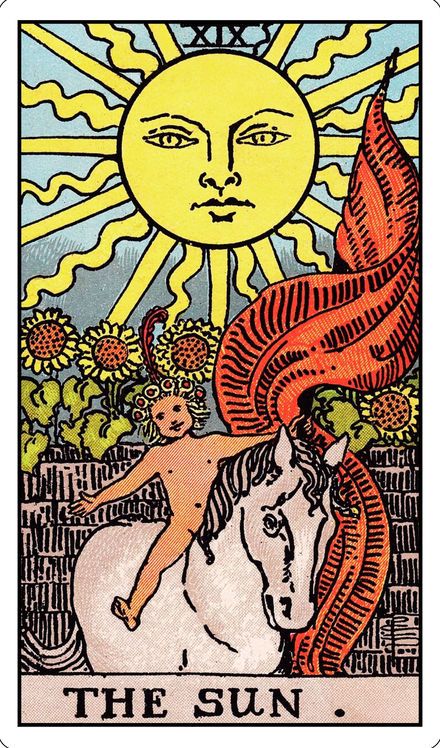
The unhelpful answer, repeated in a great many places, is that a reversal means the opposite. Apply that consistently and you get nonsense. The Sun reversed becomes misery. The Ten of Swords reversed becomes a lovely afternoon. Nobody reads this way for long, because it stops producing anything useful almost immediately.
Four readings that work
A reversal is better understood as the same energy in a different condition. There are four conditions worth knowing, and most reversals are one of them.
Blocked. The card’s energy is present and not moving. The Chariot reversed as drive with nowhere to go. The Ace of Cups reversed as an offer of feeling that cannot be accepted. This is the most common reading and the safest default.
Turned inward. The energy is operating privately rather than in the world. The Emperor reversed as authority exercised over yourself instead of a situation. Strength reversed as courage that has become self-management. Useful whenever the question is about an internal state.
Taken to excess. Too much of the card rather than too little. The Empress reversed as care that has become smothering. Temperance reversed as moderation so extreme it has become its own imbalance.
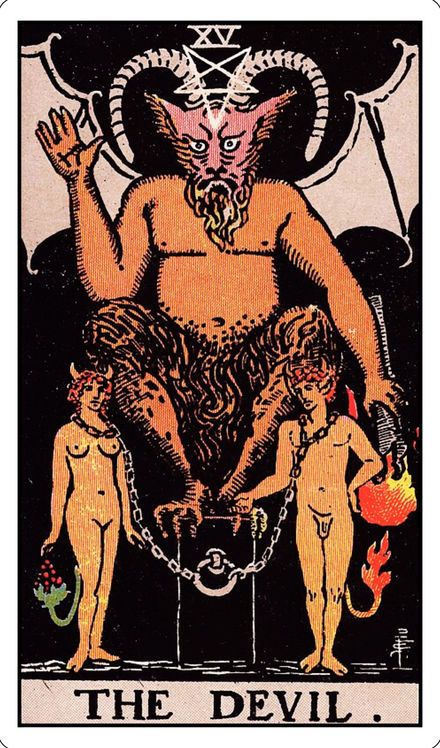
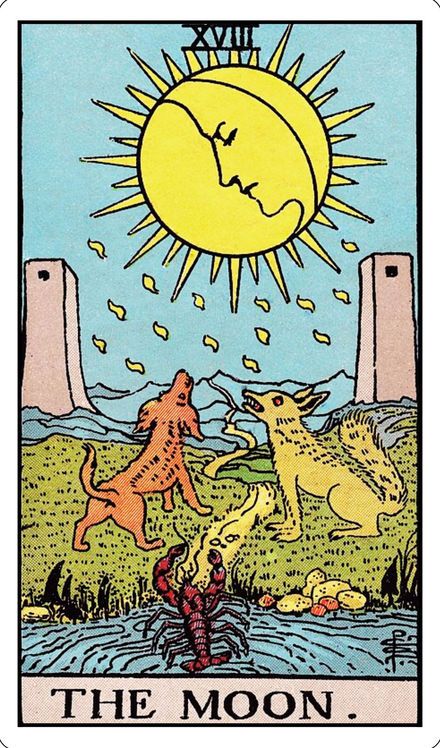
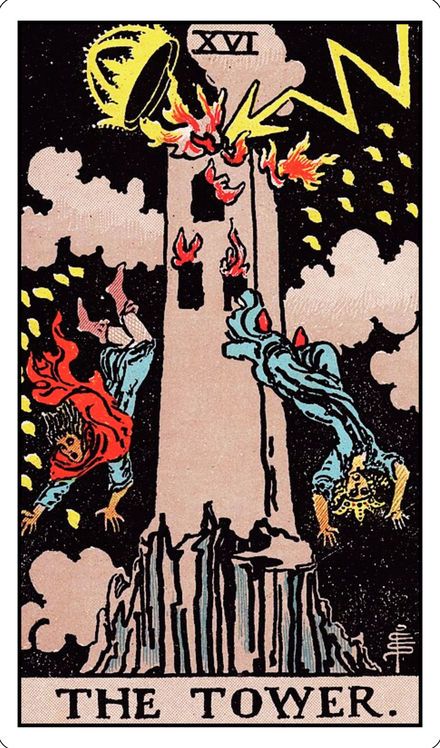
Resolving. The card’s difficulty is ending. This one matters because it makes several reversals better than their upright versions. The Devil reversed as a chain coming off. The Tower reversed as a collapse avoided. The Moon reversed as fog clearing.
Choosing between them
There is no rule, which frustrates people, and the alternative would be worse. You choose from context.
Look at the question. A spread about something stalled points toward blocked. A spread about how you feel points toward turned inward.
Look at the neighbors. A reversed card surrounded by difficult cards is more likely to be excess. One appearing after a run of hard cards is more likely to be resolving.
Look at whether the upright meaning already fits. Sometimes it does, roughly, and the reversal is just adding a note of friction rather than changing the subject.
Should you use them at all
This is a real choice, and nobody is grading it. Plenty of experienced readers work entirely upright and get everything they need from the surrounding cards, because a difficult situation shows up in which cards appear rather than in their orientation.
Arguments for using them: more nuance, and a way for a spread to say “yes but not yet” without needing a whole extra card.
Arguments against: you are holding twice as much material, and the four readings above take judgment that beginners do not have yet, which tends to produce readings that are muddier rather than richer.
If you are starting out, read upright only. Add reversals when the upright meanings feel like something you know rather than something you look up. If you already read with them and it works, there is no reason to stop.
One practical note
Decide before you shuffle. Using reversals is a decision about the whole reading. When an upside down card has already appeared, choosing whether it counts is too late. Readers who decide mid-spread tend, without meaning to, to count the reversals that support the answer they were hoping for.
Looking one up
This page is the method. If you have a specific card in front of you and want the meaning, all 78 reversed tarot card meanings are collected in one table with each reversal set beside its upright version, which is also the quickest way to see how differently the four suits take being turned over.
Common questions
- Do reversed tarot cards mean the opposite?
- Almost never, and it is the most common misreading. The Sun reversed is usually good news that is not landing, which is a long way from misery. Treat a reversal as the same energy in a different condition: blocked, internal, excessive, or resolving.
- Should I use reversals in my readings?
- It is a choice rather than a rule, and plenty of experienced readers do not. Reversals add nuance and double the material you are holding. If you are starting out, leave them until the 78 upright meanings feel like knowledge rather than lookup.
- Are reversed cards bad?
- No, and several are better reversed than upright. The Devil reversed often points to a chain coming off. The Tower reversed can point to a collapse avoided. Difficult cards reversed frequently describe the difficulty easing rather than intensifying.
- How do I know which reversal meaning to use?
- From the question and the cards around it. If the spread is about something stalled, blocked is likely. If it is about an internal state, turned inward fits. If the surrounding cards are difficult, excess is worth considering. The reversal narrows the possibilities; the context picks one.
Cards mentioned
There is also a page on what Reflecta is, if the waitlist is a step too early.