252 pairs · written one at a time
Tarot card combinations
Two tarot cards together make one statement. The usual shape is that one card names the situation and the other says what condition it is in, so a pair reads as a sentence with a subject and a verb. Death with The Tower reads less like endings plus disaster and more like a slow ending that something outside it may finish abruptly.
Below are 252 pairs, grouped by card and each one written on its own. They are the pairs this site has something specific to say about, which is a much smaller number than the 3,003 that 78 cards can make, and the difference between those two numbers is the subject of half this page.
Look up two cards
The lookup needs JavaScript, and the answer does not. Every pair on this page is in the tables below, grouped by whichever of the two cards comes first in the deck, so find that card's section and read down.
Major Arcana
59 pairs, carried by the 22 majors.
| Pair | What they say together |
|---|---|
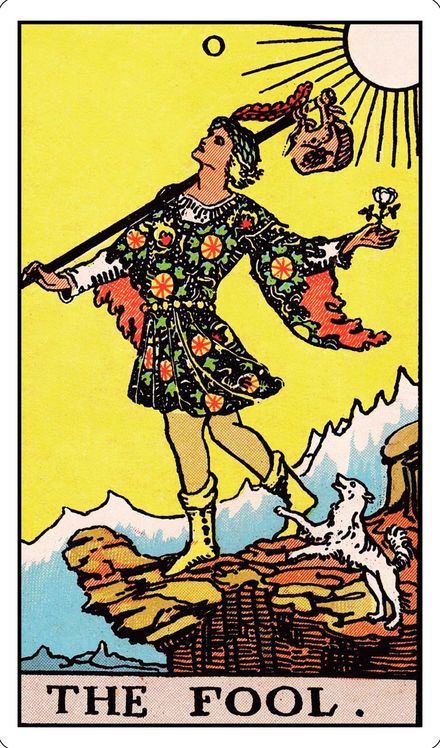
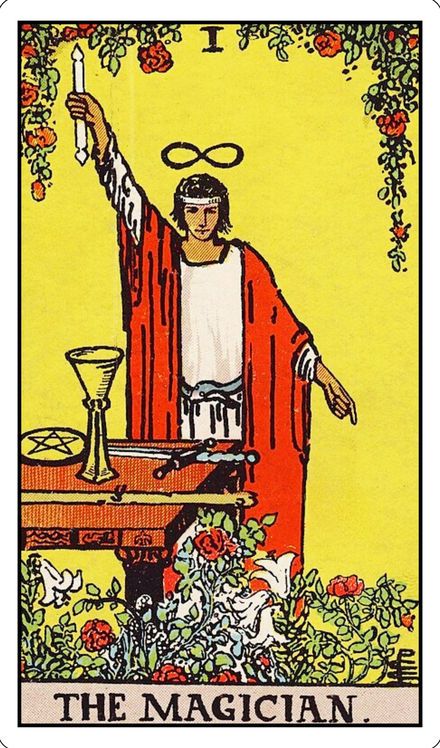
| +The Fool+The Magician | The urge to begin, followed by the skill to act on it. The Fool brings the willingness, and The Magician brings the means. Together they are one of the strongest starts in the deck. They suggest the idea may work as well as appeal. |
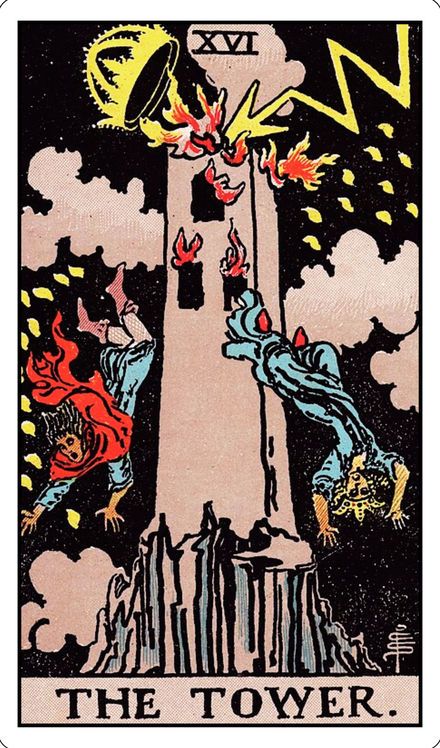
| +The Fool+The Tower | A beginning that comes because something collapsed, with no choice involved. The leap is not voluntary here. The Fool softens The Tower a little: it suggests there is solid ground on the other side, even if the way there was sudden. |
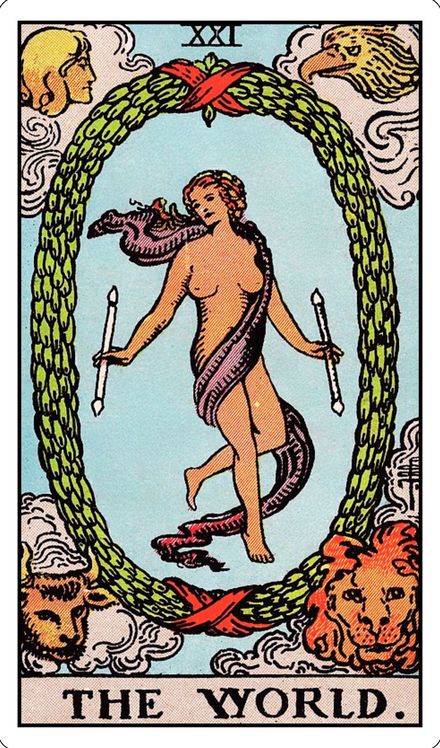
| +The Fool+The World | The two ends of the same road, side by side. Usually it means one cycle is finishing and the next is already in sight. That is rarer and better than it sounds. Most endings do not hand you a new beginning. |
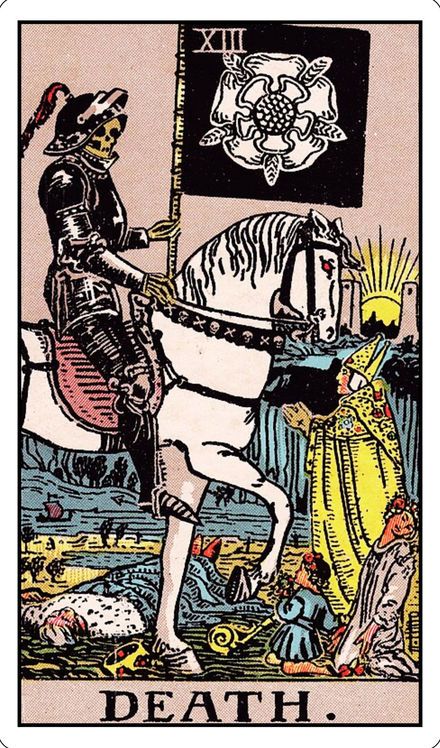
| +The Fool+Death | A beginning that needs a real ending first. This pairing does not allow half-measures. You cannot have the new thing and keep the old one. The sooner you accept that, the easier the change tends to be. |
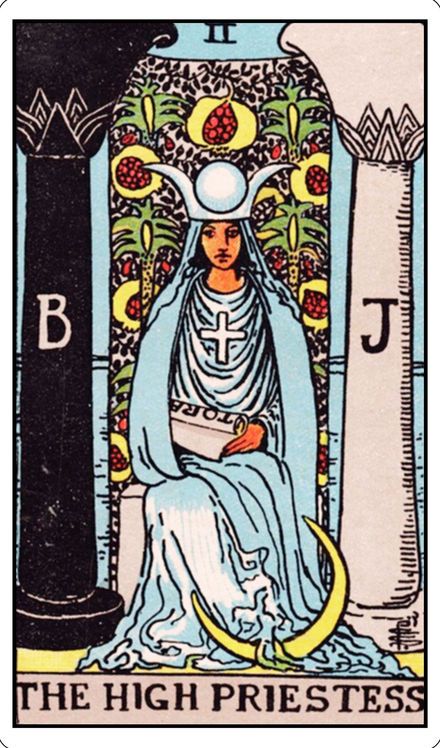
| +The Magician+The High Priestess | Two ways of knowing, side by side. The Magician acts outward, and The High Priestess waits inward. Together they usually mean the answer needs both. Acting before the quieter knowledge arrives can lead to a decision that is fast and wrong. |
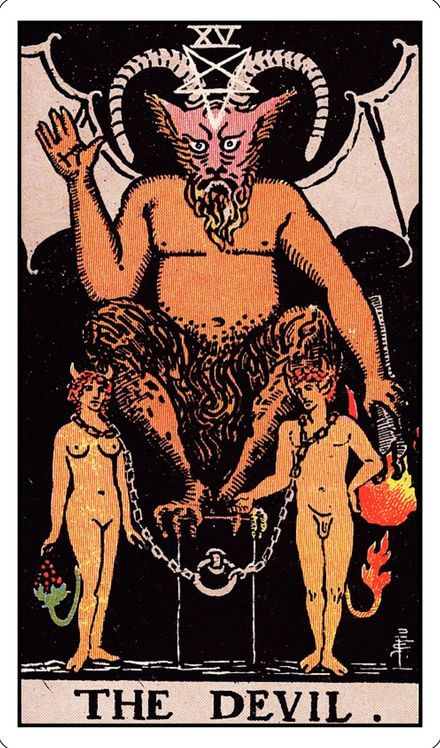
| +The Magician+The Devil | Skill used to feed a compulsion. Take this pairing seriously. It may point to ability being used to keep something going that is bad for you, and to how convincingly a person can argue for their own trap. |
| +The Magician+The Tower | Something built with real skill falling apart anyway. The card does not punish the building. It may point to a foundation chosen for the wrong reason. Skill delayed the collapse but could not prevent it. |
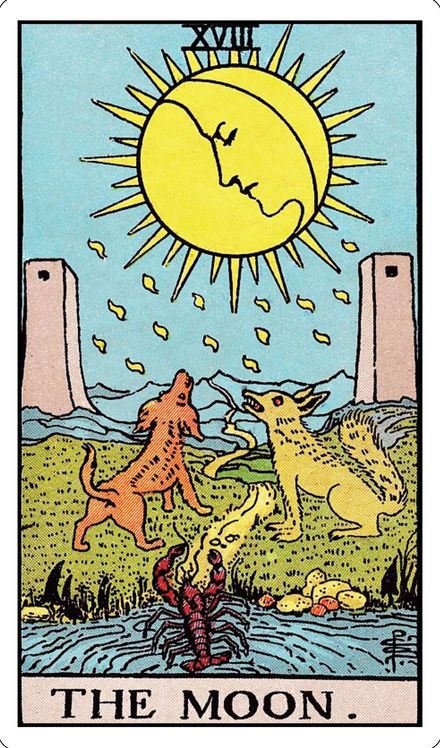
| +The High Priestess+The Moon | Two cards about unclear information together, which sounds worse than it is. The High Priestess suggests the fog is temporary and meaningful. The Moon suggests some of it comes from your own fears. Read carefully, and give the decision more time. |
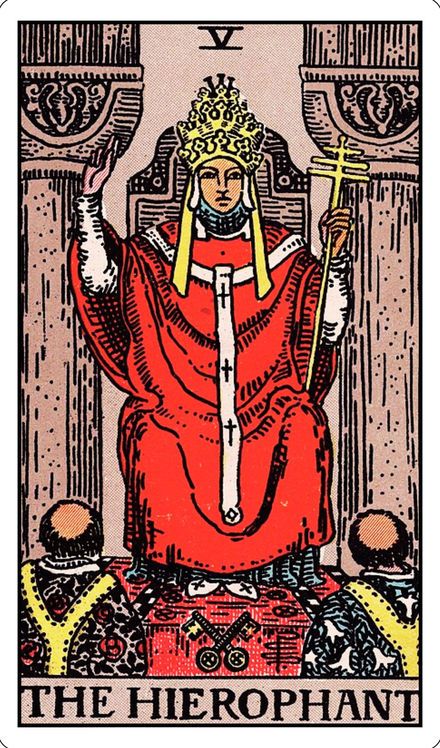
| +The High Priestess+The Hierophant | Your own sense versus what you were taught. This pairing usually appears when the two do not match, and it tends to favor the quieter one: your own sense. |
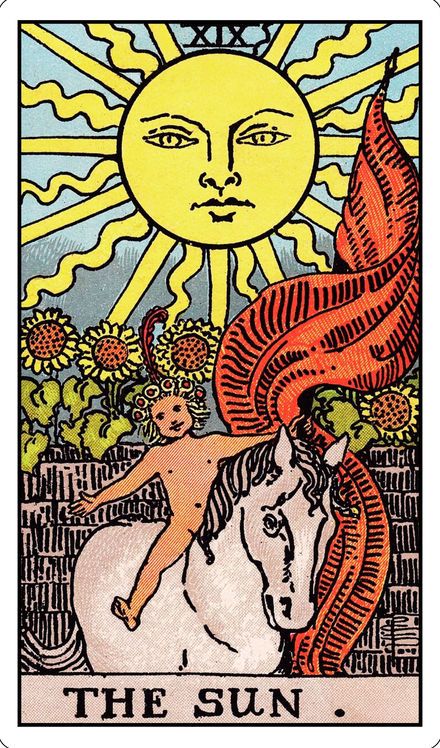
| +The High Priestess+The Sun | The hidden thing coming into plain view. A good pairing: what was unclear becomes something you can say, and the relief is usually bigger than the fear that came before. |
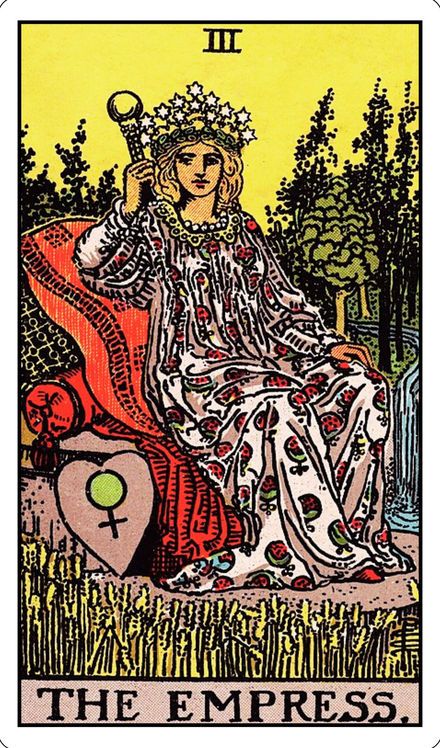
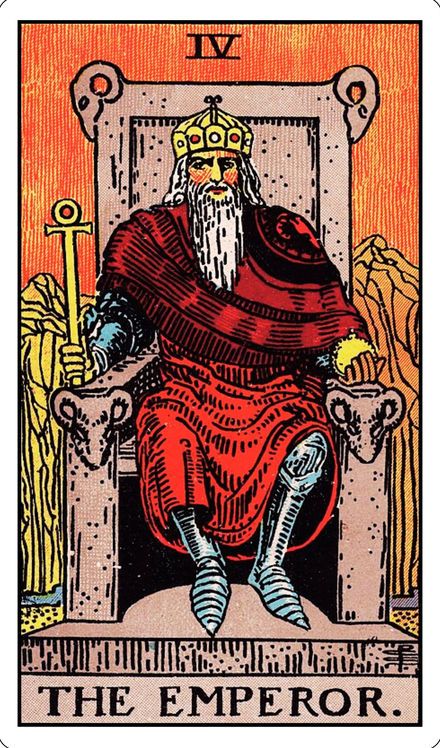
| +The Empress+The Emperor | The deck's classic pair: nurture and structure. The reading almost always turns on which one is missing. Together they are stable and productive. If one is reversed, the imbalance is the message. |
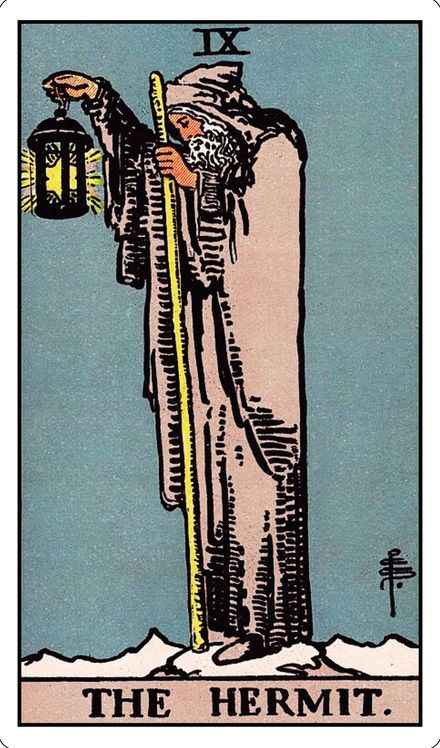
| +The Empress+The Hermit | An unusual and useful combination. Abundance next to withdrawal often suggests the growth needs time alone to continue. After a long stretch of giving, going quiet may be the caring thing to do. |
| +The Empress+The Tower | Something carefully grown falling apart. Painful, but The Empress does not vanish here. What was built with care usually leaves something behind. What was forced often leaves nothing. |
| +The Empress+The Sun | Growth in full view. One of the happiest pairings in the deck. It is linked to children, creative work that lands, and times when things are simply good and do not need picking apart. |
| +The Emperor+The Hierophant | Personal authority meets institutional authority. Often a marriage, a contract, or a formal arrangement. It suggests making things official, and that the paperwork may matter more than it seems. |
| +The Emperor+The Tower | The structure failing. Uncomfortable, and often overdue. The Tower tends to bring down things held up by force instead of soundness, which is exactly the reversed Emperor's weakness. |
| +The Emperor+Death | An ending you need to decide on. Together they favor taking something apart on purpose before it collapses. That is often the less painful route. |
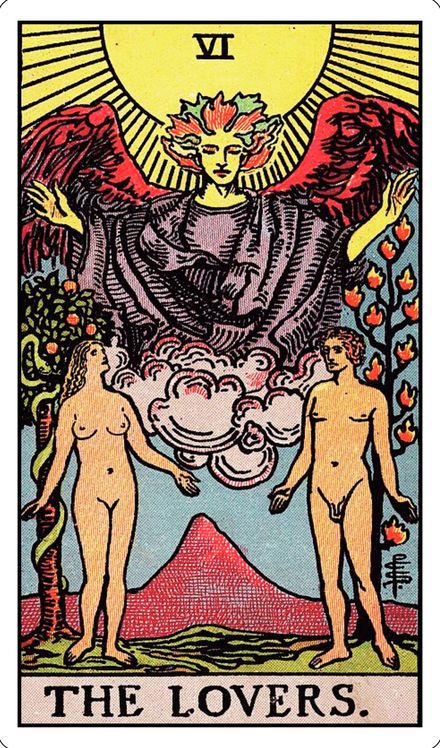
| +The Hierophant+The Lovers | The classic marriage pairing. More broadly, a choice made within a set of values. It asks whether the commitment is truly yours or inherited, which is a more useful question than it sounds. |
| +The Hierophant+The Tower | An institution or belief system falling apart. Often a loss of faith in something that organized your life. That can be far more disorienting than the thing itself seems to warrant. |
| +The Lovers+The Devil | A sharp pairing. It contrasts a choice made freely with one made under compulsion. It may point to a relationship or situation that feels like love but works like a habit that is hard to break. |
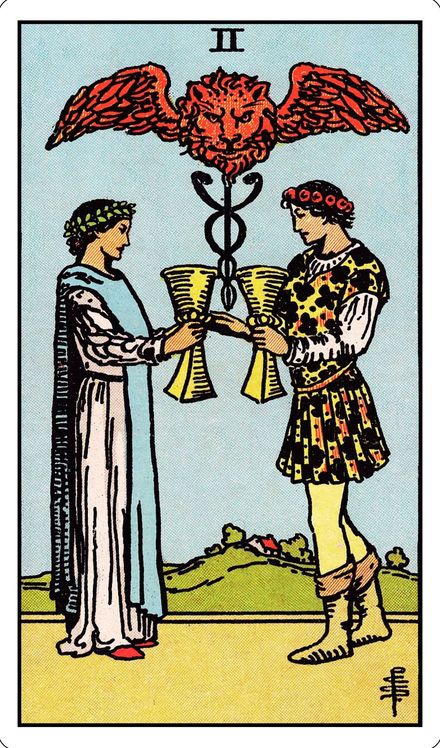
| +The Lovers+Two of Cups | The Major and Minor Arcana versions of the same idea, side by side. A strong mutual connection with a real decision inside it. When both appear, the connection may be more serious than the person asking has admitted. |
| +The Lovers+The Tower | A choice that ends something big, or a decision taken out of your hands by a collapse. Together they suggest you reached a fork before you felt ready. |
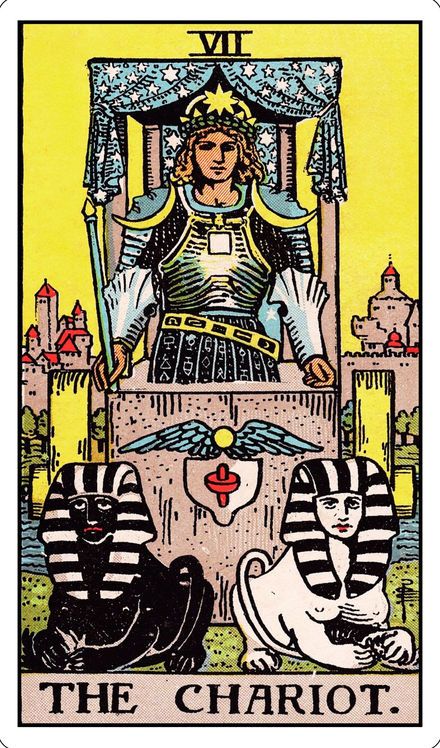
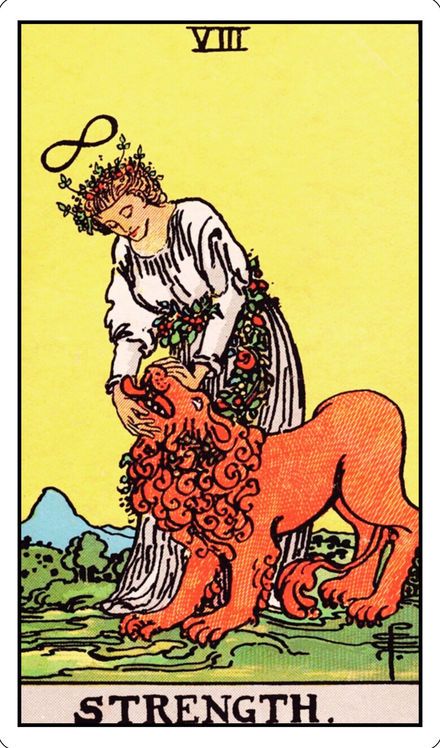
| +The Chariot+Strength | The deck's two ways of handling a difficult force. The Chariot controls it, and Strength wins it over. Together they often suggest you need both, and that force alone has taken you as far as it can. |
| +The Chariot+The Tower | Momentum hitting an obstacle that will not move. It often asks whether the direction was wrong, and not the amount of effort. That is hard to accept after working so hard. |
| +The Chariot+The World | The long road and its end together. A good pairing. It suggests the push may be nearly over, and that this time you have really arrived. |
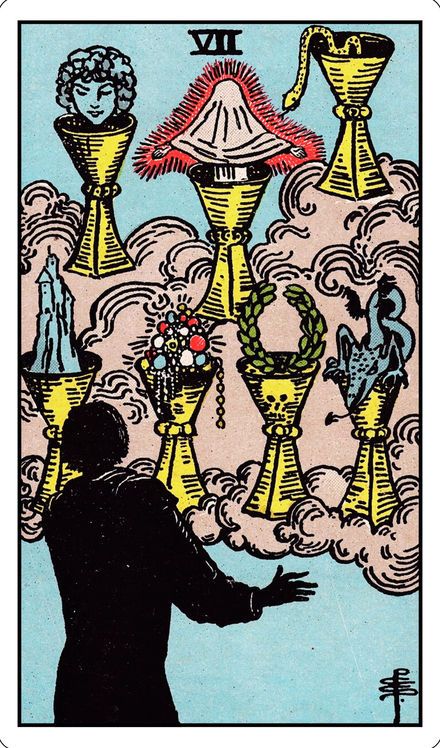
| +The Chariot+Seven of Cups | Focus against distraction, and the tension is the message. Too many tempting options are competing for willpower that only works when aimed at one thing. Without a choice, the Chariot tends to stall. |
| +Strength+The Devil | Facing a compulsion head on. Strength is one of the few cards that answers The Devil. It works by understanding the craving instead of fighting it, and that is the approach that works best. |
| +Strength+The Sun | Quiet skill leading to visible success. Together they suggest the patient approach is working, and other people may soon see the result too. |
| +Strength+The Moon | Staying steady through uncertainty. A useful pairing: clarity may not come first, and you can hold your nerve without it. That is often the real skill being asked for. |
| +The Hermit+The High Priestess | Two cards about knowledge that comes quietly. Together they strongly favor waiting. A decision made this week may rest on information you could have had by waiting a little longer. |
| +The Hermit+The World | Work done alone, finally completed. Often the end of a long private effort becoming visible. The card notes that the quiet years were the real substance of it. |
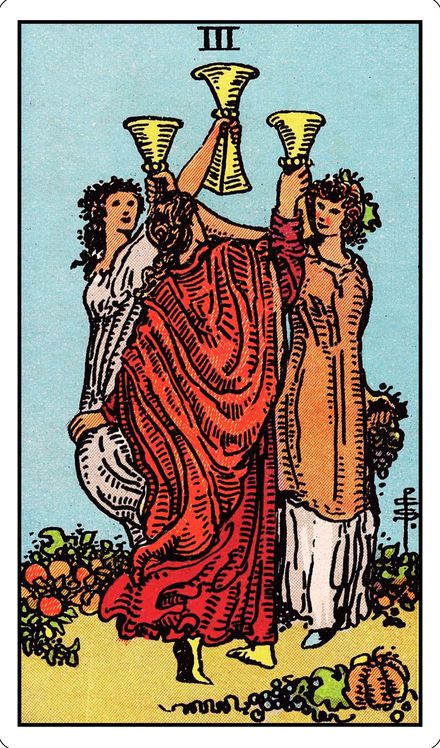
| +The Hermit+Three of Cups | A sharp contrast between time alone and time with others. Often you have too much of one and not enough of the other. The reading is about which. |
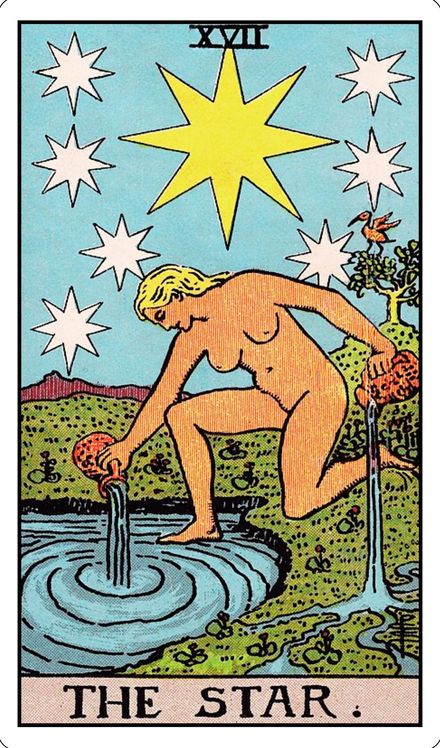
| +The Hermit+The Star | Withdrawal followed by renewal. A gentle pairing suggesting the quiet is restoring you. Something that had run out is being refilled. |
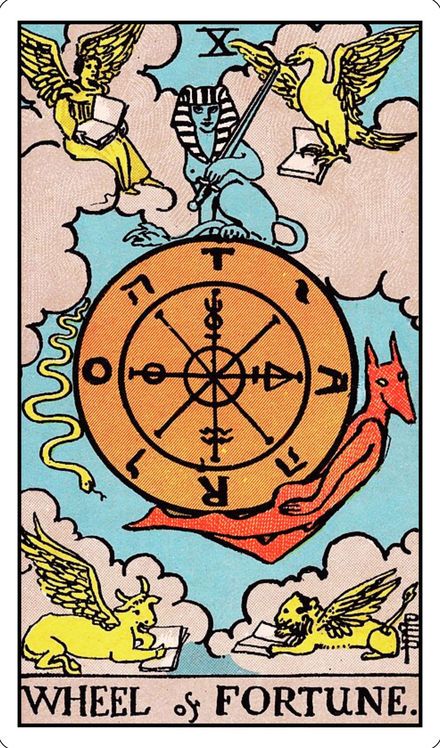
| +Wheel of Fortune+The Tower | Change from outside, twice over, and neither asks permission. Often a big and sudden shift. The Tower brings the suddenness, and the Wheel reminds you it is not a judgment on you. |
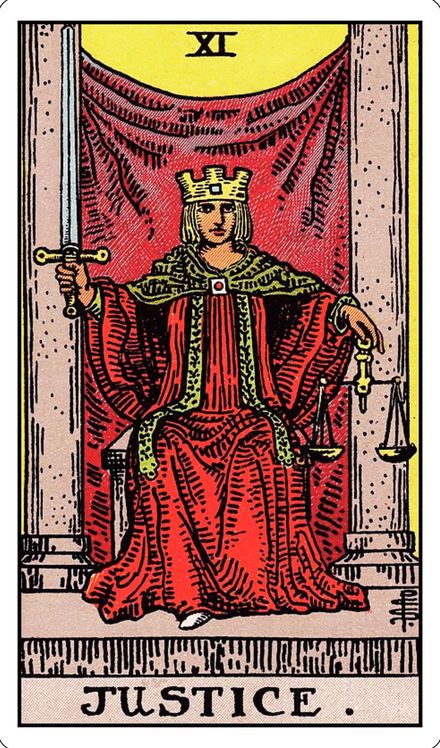
| +Wheel of Fortune+Justice | A useful contrast: luck next to consequence. Together they often suggest that part of the situation is chance and part was earned. The work is telling them apart honestly. |
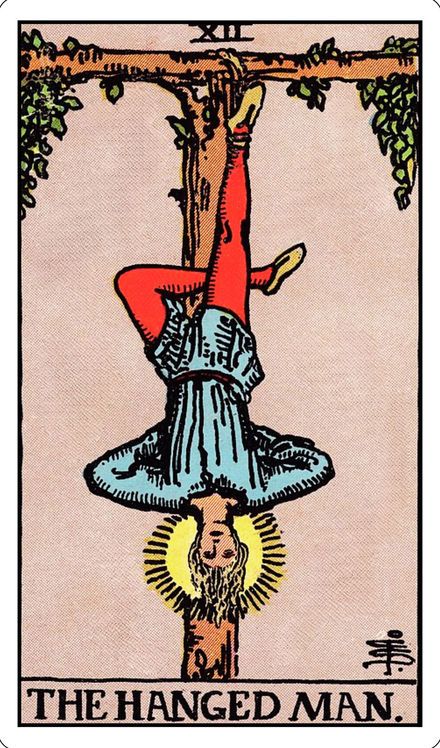
| +Wheel of Fortune+The Hanged Man | The wheel turning while you wait. A strong case for not forcing anything. Waiting can be the right response to a cycle that needs to finish on its own, and that is different from being passive. |
| +Wheel of Fortune+The World | A cycle reaching its real end, instead of just turning again. Together they suggest something finishing for good, with no repeat. That is rarer than it feels. |
| +Justice+The Tower | A reckoning that arrives suddenly. Together they often point to a consequence that was put off for a long time landing all at once. That is why it feels like a disaster, when really it is a bill coming due. |
| +Justice+The Emperor | Law and authority together. Often a formal process: a contract, an institution, or an official decision. The card favors doing things by the book and keeping the paperwork. |
| +Justice+The Devil | The bill arriving for something you have been indulging. The card means this practically. It passes no moral judgment. A habit that seemed to cost nothing for a long time has started to cost something. |
| +The Hanged Man+Death | A pause right before a real ending. Together they often suggest the waiting is the last stage of something finishing. The resolution may look more like an ending than a comeback. |
| +The Hanged Man+The Star | A pause followed by relief. One of the kinder pairings: the hard wait may be doing something, and the card points toward recovery after it. |
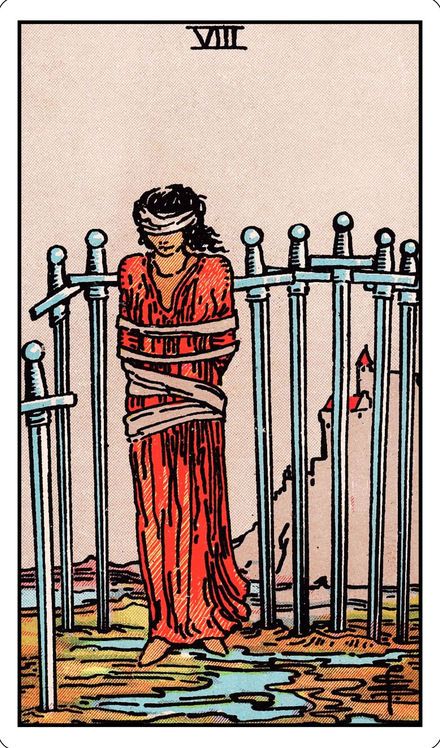
| +The Hanged Man+Eight of Swords | Two cards about being stuck, with one important difference. The Hanged Man is held in place. The Eight of Swords is held by a belief. Together they ask which limits are real and which are assumed. |
| +Death+The Tower | Two kinds of ending. Death is a gradual process that completes. The Tower is a sudden collapse. Together they can point to a slow ending that something outside finishes all at once. |
| +Death+The Star | What comes after. One of the most hopeful sequences in the deck, it points to recovery after the ending, and to something better than a repeat of what came before. |
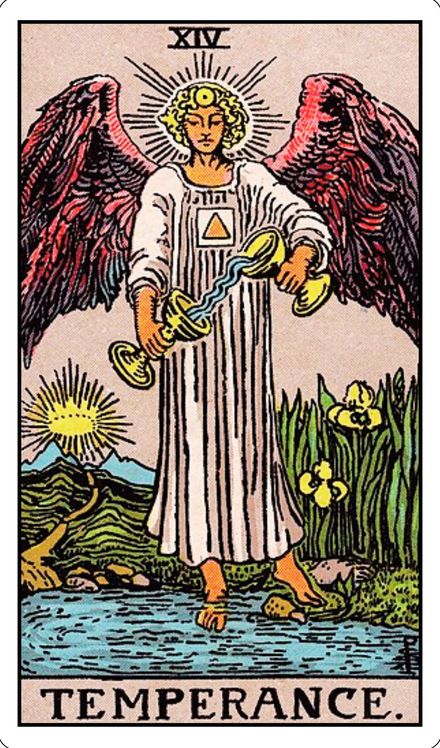
| +Temperance+Death | The two cards the deck puts in order. An ending, followed by the slow work of rebuilding from what is left. Together they paint a truer picture of recovery than either card alone. |
| +Temperance+The Devil | Moderation against compulsion. Often a reading about a habit, and a hopeful one. Temperance is one of the few cards that answers The Devil without force. |
| +Temperance+The Star | Healing from two directions. Together they point to recovery underway. Temperance supplies the method, and The Star supplies the hope that makes the method bearable. |
| +Temperance+The Chariot | A tension worth reading closely. The Chariot wants speed and force, and Temperance wants balance and time. Together they often suggest pushing has gone as far as it can, and the rest needs patience. |
| +The Devil+The Tower | The trap broken from outside. It is sudden, and sometimes it is the only thing that ends a situation when nothing inside was changing. The Tower removes the trap instead of talking you out of it. |
| +The Tower+The Star | The best-known sequence in the deck, and the most hopeful. The Star follows The Tower: collapse, then recovery. The pairing suggests you can get through what comes after. |
| +The Star+The Moon | Hope next to uncertainty. A useful and slightly tense pairing. The direction is good, but the picture is not clear yet. The suggestion is to keep going without demanding proof. |
| +The Moon+The Sun | The deck's own sequence: darkness followed by daylight. A reassuring pairing. It suggests the confusion may be nearly over, and points toward a good outcome. |
| +The Moon+Eight of Swords | Fear and warped perception together. It is a heavy combination, and also a hopeful one. Both cards describe limits that are mostly in the mind, and both loosen when you look at them directly. |
| +The Sun+The World | Success and completion together. One of the strongest positive pairings in the deck. It often marks something finishing well and being recognized for it. |
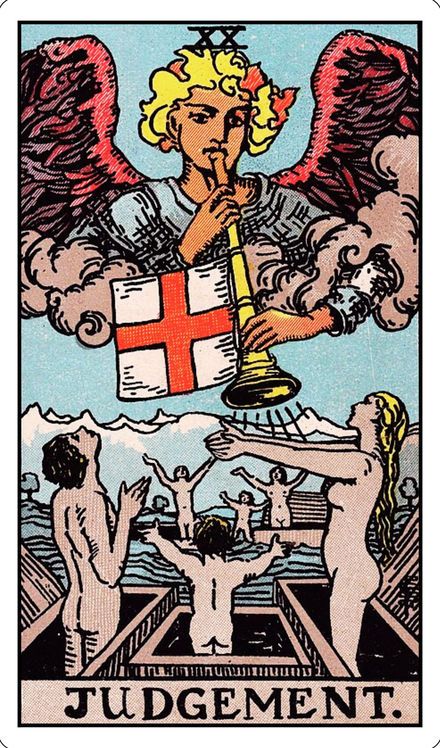
| +Judgement+The World | The last two cards of the Major Arcana. A reckoning followed by completion. It often suggests the accounting is done and something is properly finished. |
| +Judgement+Death | An ending you have to accept on purpose. Together they favor closing something deliberately instead of letting it fade, with the review as part of the ending. |
| +Judgement+Justice | Two cards about taking account. Justice weighs the facts of one event. Judgement looks at a whole period. Together they suggest a specific consequence and a wider rethink. |
| +Judgement+The Hermit | Private reflection that leads to a public response. It often points to a long quiet period turning into a decision other people notice. |
Cups
48 pairs, carried by the 14 Cups cards.
| Pair | What they say together |
|---|---|
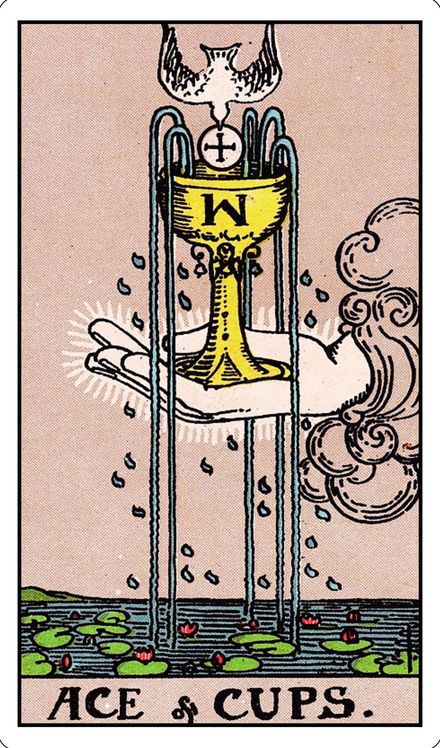
| +Ace of Cups+Two of Cups | The offer, followed by the meeting. Together they are the deck's strongest sign of a connection forming on both sides. A feeling held by one person alone is very different, and in practice that difference matters a lot. |
| +Ace of Cups+The Star | Feelings opening up after a hard time. This pairing usually appears when someone is getting their hope back, and it suggests the recovery is real and more than one good week. |
| +Ace of Cups+The Tower | New feelings arriving while something else falls apart. This is often a real reading. People fall in love or reconnect right when their old structures fail, and the two are connected. |
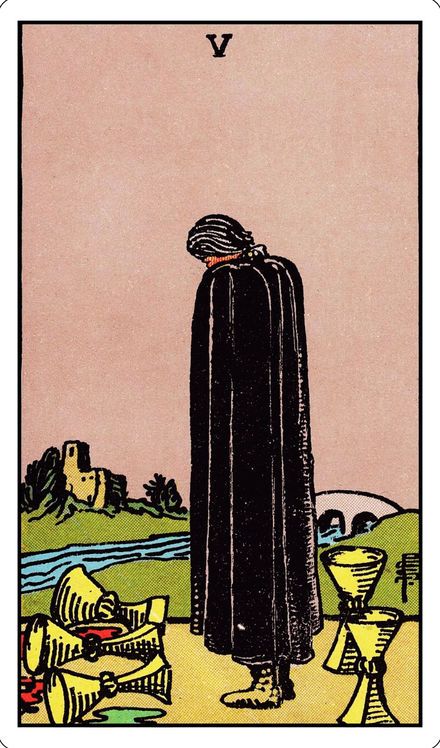
| +Ace of Cups+Five of Cups | The offer, and not being able to see it. This pair is quite specific. Something is being held out while your attention is fixed on what you lost. The card is pointing at where you are looking. |
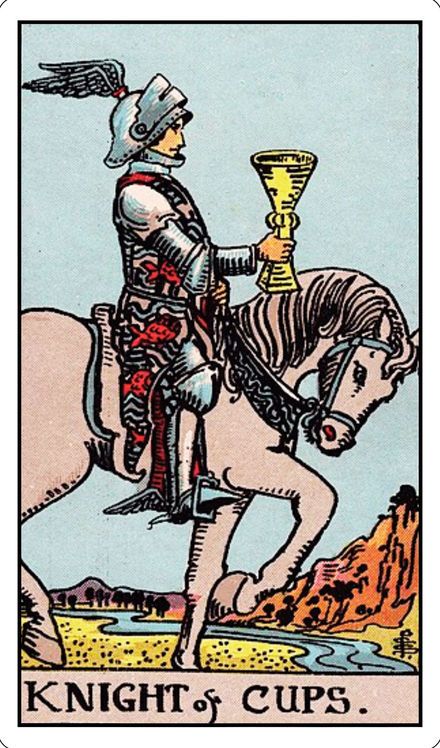
| +Ace of Cups+Knight of Cups | An opening and an approach are two different events. The Ace is feeling becoming available to you. The Knight is a person arriving with an offer. Mixing them up means waiting for someone who was never coming. |
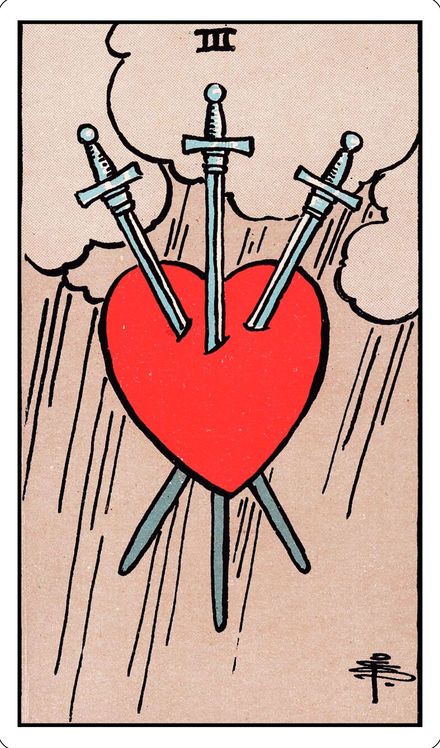
| +Ace of Cups+Three of Swords | New feelings meeting an old wound. This pair shows up often, and it is no warning. Usually the offer is real, and the hesitation comes from something that happened long before. |
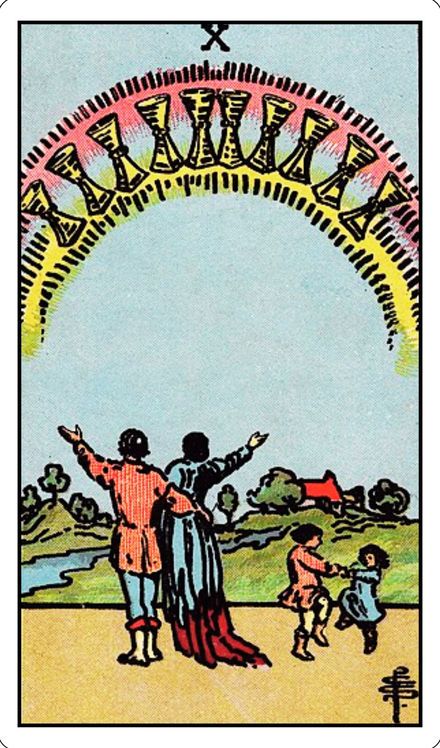
| +Two of Cups+Ten of Cups | The meeting, and its long-term version. Together they suggest the connection has somewhere to go. The Two of Cups on its own deliberately does not promise that. |
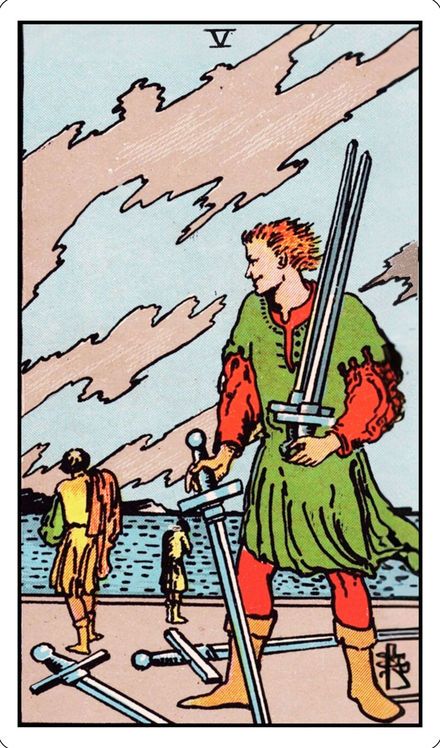
| +Two of Cups+Five of Swords | A difficult pair. A mutual connection next to a fight nobody wins. Usually the relationship is real, but it has fallen into a pattern of conflict that costs more than either person admits. |
| +Three of Cups+Two of Cups | A couple and a group together. Often it means a relationship going public. It can also point to balancing what belongs to the two of you with what you share with everyone. |
| +Three of Cups+Ten of Cups | Friends and family together. A very positive pairing that points to a life full of real people and shared happiness. |
| +Three of Cups+Five of Cups | Grief next to good company. Often support is there, but you cannot reach for it because your attention is on the loss. Grief often works this way. |
| +Three of Cups+Three of Swords | Friendship, and a hurt that came from inside the group. When these appear together, the hurt usually came from someone close. That makes it slow to name and even slower to talk about. |
| +Three of Cups+The Devil | A friend group that has become a habit. This pairing asks whether you still see these people because you like them, or because stopping would cause a scene. |
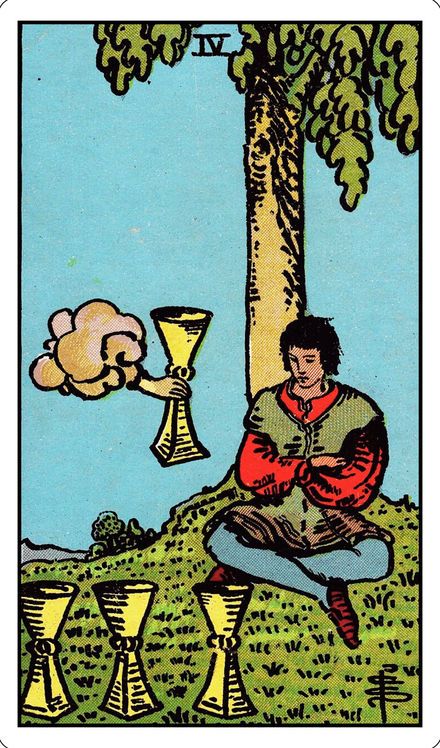
| +Four of Cups+The Hanged Man | Two cards about being stuck in place. The Hanged Man is a useful pause. This one is a pause that is going nowhere. Together they ask whether the stillness is doing something, or has just become the situation. |
| +Four of Cups+Ace of Cups | An offer, and failing to see it, shown plainly. The pairing is unusually direct: something good is available, and your attention is elsewhere. |
| +Four of Cups+Five of Cups | Apathy next to grief, which is often the real order of things. Numbness often follows a loss. Together these cards suggest the lack of interest has a cause. It is no fixed part of your personality. |
| +Four of Cups+The Sun | Good things arriving for someone who cannot feel them. A pointed combination. It usually means your circumstances are fine, and your ability to enjoy them is what needs attention. |
| +Five of Cups+The Star | Grief followed by healing. One of the kinder sequences in the deck. The loss is real, and the recovery from it is real too, more than a temporary lift. |
| +Five of Cups+Death | Loss and finality together. Often it points to something that is truly over, and to grief that fits the size of the loss. |
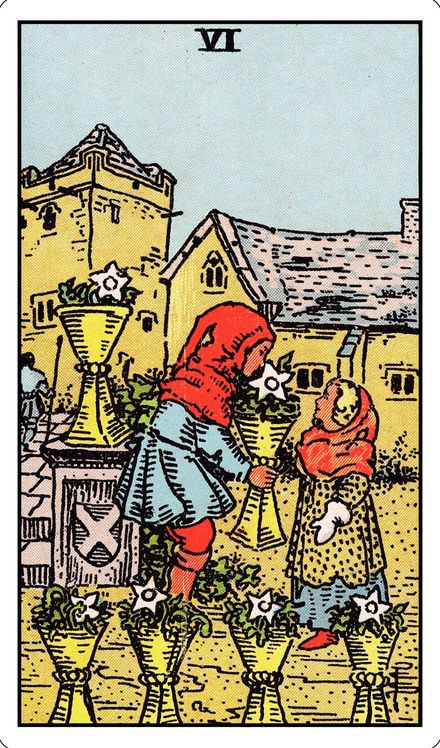
| +Six of Cups+The Hierophant | Tradition and personal history together. Usually family, inherited expectations, or going back to something you were raised in. It asks whether the pull is really yours, or one you picked up. |
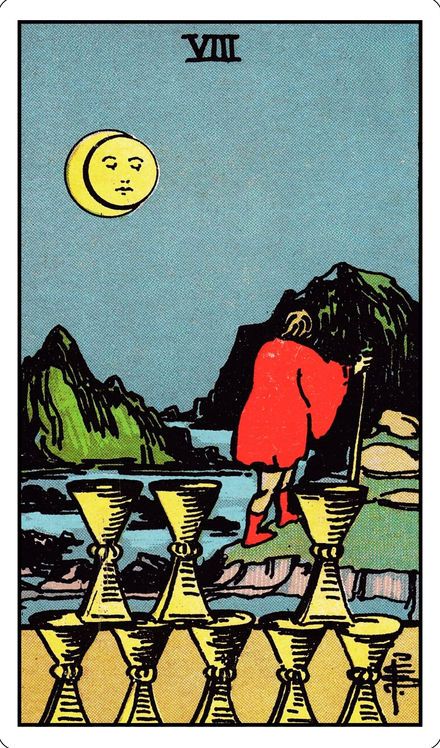
| +Six of Cups+Eight of Cups | A direct tension: something pulling you back while something else is leaving. Together they usually mark the exact moment of choosing between going back and moving on. |
| +Six of Cups+The World | A cycle completing and the past returning together. Often it means a return that closes something instead of reopening it. That is the good version of going back. |
| +Six of Cups+Ten of Cups | Family and memory in the same reading. Very positive. It usually points to a home life with real continuity in it, lasting beyond one good moment. |
| +Seven of Cups+Four of Cups | Too many options, next to no interest in any of them. Together they usually describe someone who has been choosing for so long that choosing has replaced wanting. |
| +Seven of Cups+The Moon | Two cards about unreliable perception. They ask you to go slowly with any decision, since neither the options nor your view of them may be trustworthy yet. |
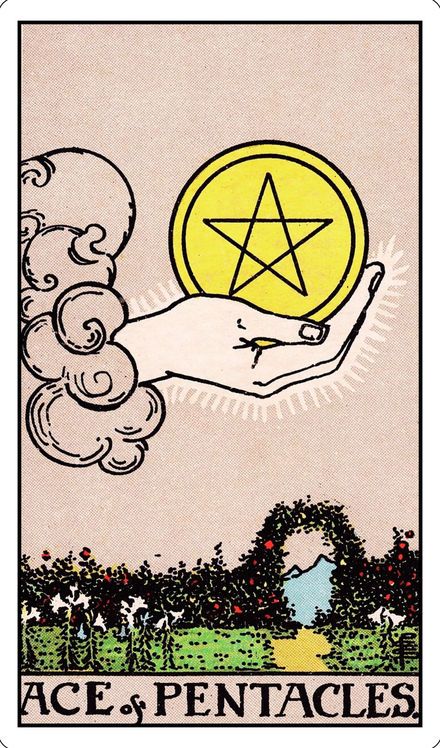
| +Seven of Cups+Ace of Pentacles | A daydream meets something concrete. Usually a good pairing. It suggests one of the seven is available in real life and can be picked up. |
| +Eight of Cups+The Hermit | Leaving and solitude together. Usually it means you are walking toward something, and away from nothing in particular. The solitude ahead is chosen, by no accident. |
| +Eight of Cups+The Fool | Leaving, followed by a beginning. A reassuring combination. The walk away leads somewhere, and together the cards suggest the destination may come into view once you are moving. |
| +Eight of Cups+Ten of Cups | A sharp contrast: walking away from what looks like happiness, which is often exactly what this card describes. The pairing asks whether the picture was real contentment or only looked like it. |
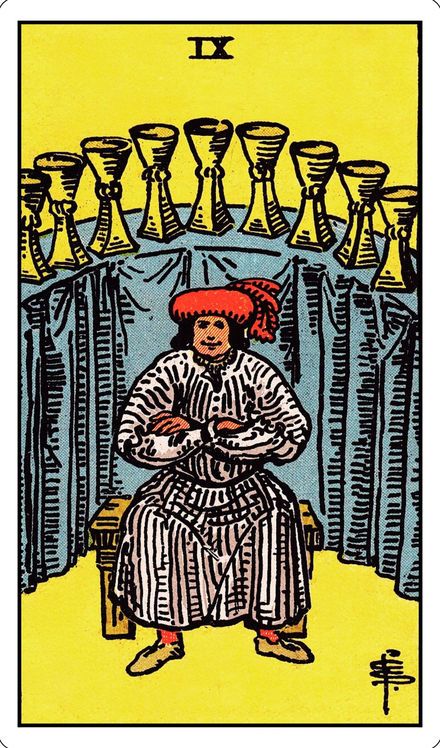
| +Nine of Cups+Ten of Cups | Personal satisfaction next to shared happiness. Together they are very positive. They show the difference between getting what you wanted and having a life full of people. |
| +Nine of Cups+Four of Cups | Having plenty and not feeling it. A pointed pair: the wish came true, and what needs attention is your ability to feel it. The circumstances are fine. |
| +Nine of Cups+The Sun | Satisfaction and open happiness together. About as good a combination as the deck offers. It points to something good that is both real and enjoyable. |
| +Nine of Cups+Seven of Cups | A cloud of wishes, and the one that comes true. Usually it means the daydreaming may turn into a real outcome, and a good one. |
| +Ten of Cups+The Empress | Home and growth together. Strongly linked with family in the literal sense, and the pair can raise the question of growing one. The cards can hold that question for reflection. They cannot answer it. |
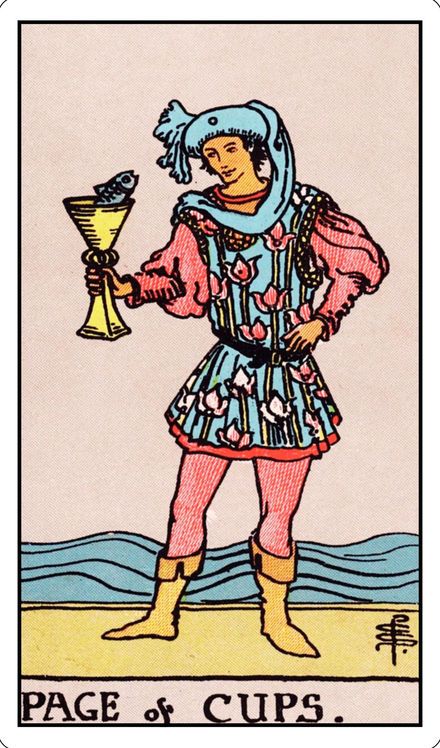
| +Page of Cups+Ace of Cups | The messenger and the offer. Together they point to an emotional opening that comes to you from outside. You do not have to create it. |
| +Page of Cups+Knight of Cups | The tentative approach, and the full romantic gesture. Usually they come in order: something small and testing turns into something more openly declared. |
| +Page of Cups+The Moon | Intuition and unexpected feelings together. The pairing favors trusting the odd impression, but warns that the message may be less clear than it seems. |
| +Page of Cups+The Fool | Two cards about starting without knowing how it ends. A warm combination that points to openness. It is less naive than it looks: unprotected on purpose. |
| +Knight of Cups+Two of Cups | An offer made, and returned. Together they show the romantic approach landing on both sides. A feeling held by one person alone would be different, and this pairing usefully names that. |
| +Knight of Cups+The Lovers | A romantic gesture meets a real decision. It raises a question worth answering: is the offer being accepted on feeling alone, or on real compatibility? |
| +Knight of Cups+Seven of Cups | Romance and fantasy together, which is a warning. The offer may be aimed at an imagined version of you, or you may be treating it as more than it is. |
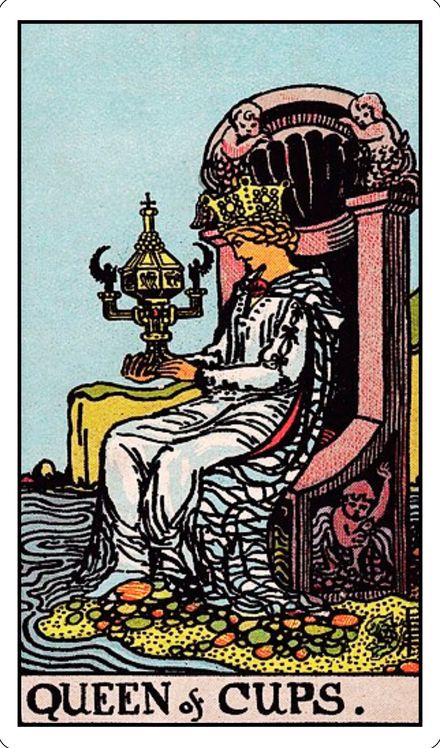
| +Queen of Cups+The High Priestess | Two cards about quietly knowing things. Together they strongly favor trusting your intuition, and note that you may have to act before you can prove you are right. |
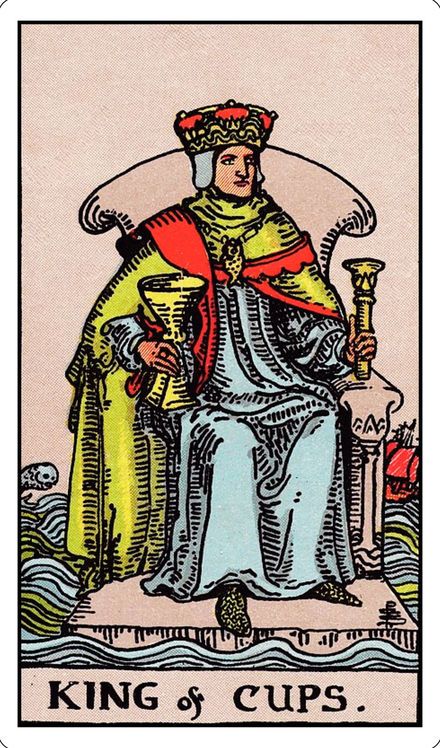
| +Queen of Cups+King of Cups | The two mature ways of handling feelings. She holds them inwardly, and he manages them outwardly. Together they usually point to a relationship or partnership with real emotional skill in it. |
| +Queen of Cups+The Moon | Intuition next to distortion, a tension worth reading carefully. It asks whether your gut feeling is real knowledge, or anxiety dressed up as intuition. |
| +Queen of Cups+The Empress | Two cards about care, one inward and one generous. Together they are warm, and they share a warning about giving more than you have. |
| +King of Cups+Temperance | Two cards about balance. Together they strongly favor a measured response, and suggest the situation may resolve through patience more than any bold move. |
| +King of Cups+The Tower | Calm meets a real crisis. Usually reassuring. It suggests your ability to stay steady is real, and that you may need it soon. |
| +King of Cups+The Devil | A warning. Emotional skill next to compulsion can mean using your understanding of people to keep a situation stuck in place. Read it carefully. |
Pentacles
47 pairs, carried by the 14 Pentacles cards.
| Pair | What they say together |
|---|---|
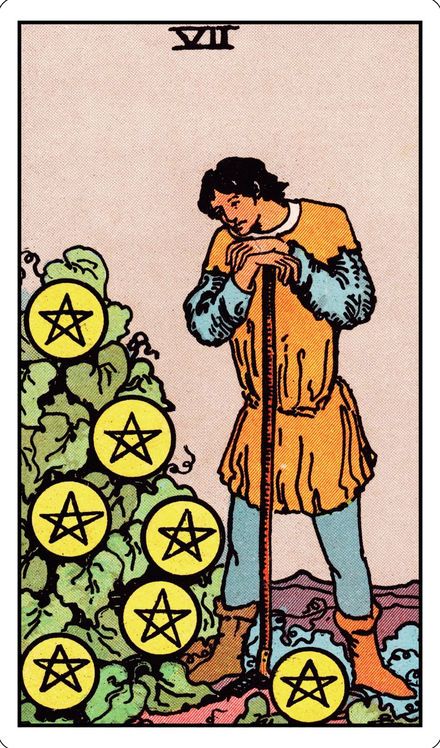
| +Ace of Pentacles+Seven of Pentacles | The seed, and the wait. Together they suggest something started now may work, and may take much longer than you want. |
| +Ace of Pentacles+The Fool | A beginning with real ground under it. Unusually reassuring for The Fool, because the leap turns out to have somewhere solid to land. |
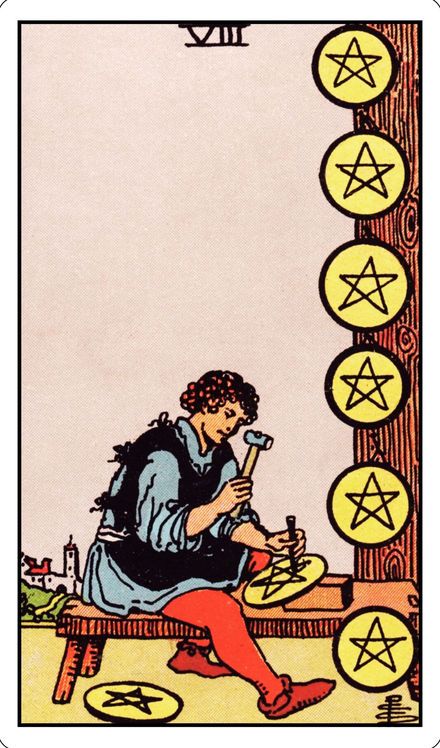
| +Ace of Pentacles+Eight of Pentacles | The opportunity, and the work it takes. Together they suggest the thing is real, and may be built through steady practice instead of arriving finished. |
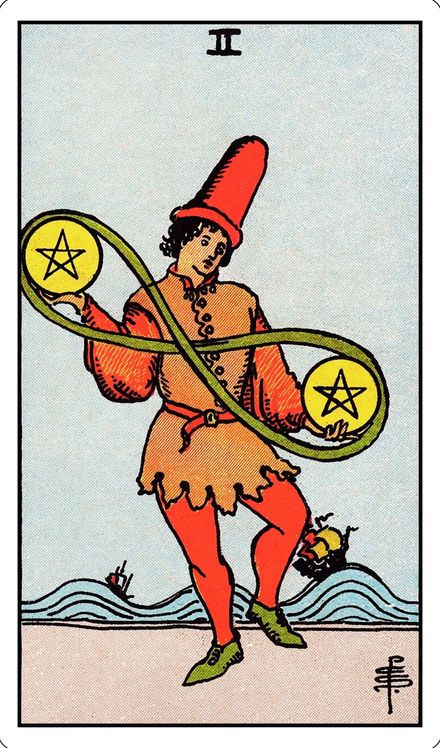
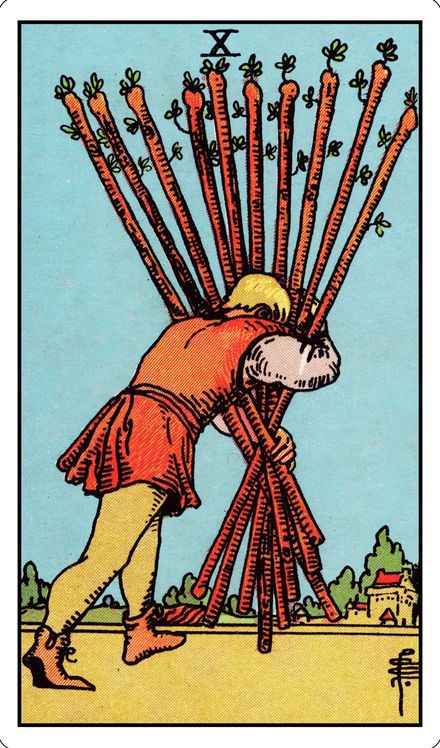
| +Two of Pentacles+Ten of Wands | Two cards about carrying too much, from different angles. Together they are a fairly direct nudge to put something down before the choice is made for you. |
| +Two of Pentacles+Temperance | Balance through movement, next to balance through proportion. Usually it means the juggling has a version you can sustain. Finding it means changing the mix, more than moving faster. |
| +Two of Pentacles+The Chariot | Holding opposing forces together, twice. It points to real ability under strain, and notes that the whole arrangement depends on constant attention. |
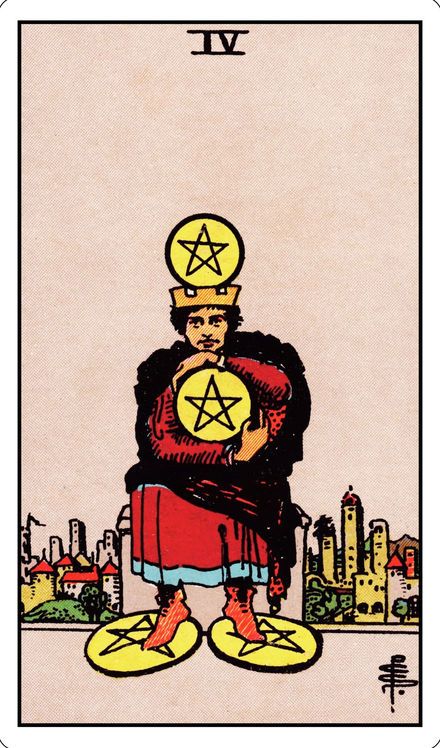
| +Two of Pentacles+Four of Pentacles | Money in motion, against money held still. Often it is about whether the right response to instability is to keep things moving, or to stop and consolidate. |
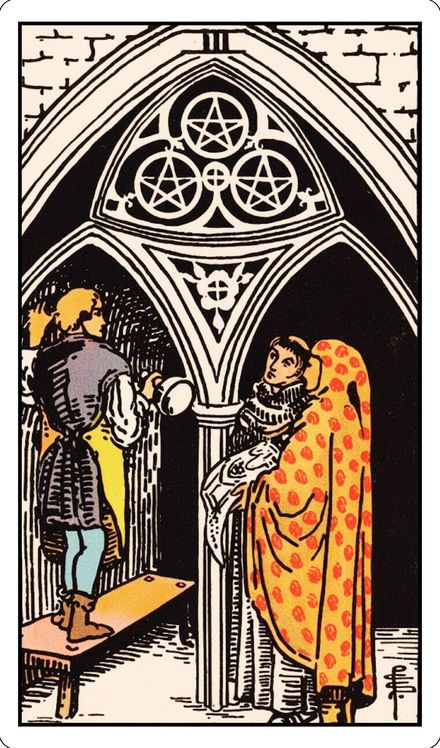
| +Three of Pentacles+Eight of Pentacles | Practice and recognition together. Waite linked the two cards himself. The repetition has built real skill, and other people are starting to see it. |
| +Three of Pentacles+The Hierophant | Craft and institution together. Often training, a qualification, or working inside an established tradition where the usual route is the right one. |
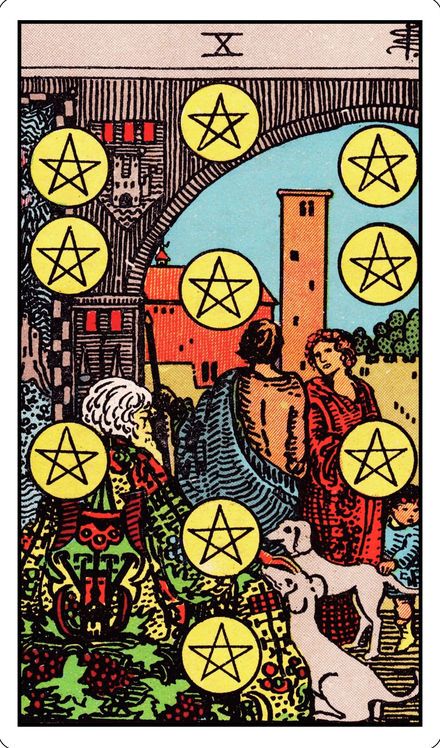
| +Three of Pentacles+Ten of Pentacles | Skilled work and a lasting result. Together they suggest what is being built now could outlast the project, a warm sign for anything long term. |
| +Three of Pentacles+Seven of Pentacles | Working well and waiting for the result. The pairing asks for patience, especially for people whose work is good and whose returns have not arrived yet. |
| +Four of Pentacles+The Devil | Two cards about grip. It often points to something held that is doing harm, where the person holding it can name the reason and keeps holding anyway. |
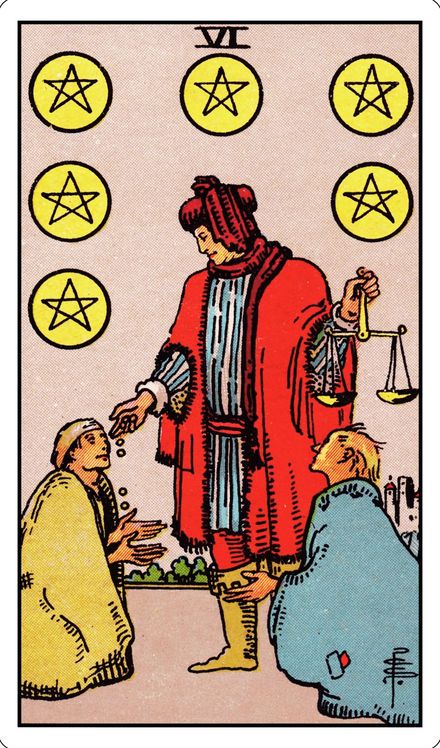
| +Four of Pentacles+Six of Pentacles | Holding next to giving. A pointed contrast that usually asks what would happen if some of what you hold went back into circulation. |
| +Four of Pentacles+The Tower | Something held tightly being taken anyway. A hard pairing, and it carries the card's own lesson: the security was never as complete as the grip suggested. |
| +Five of Pentacles+Six of Pentacles | Need next to giving, and the pair often answers the first. Together they point to help that is close to being offered or asked for. |
| +Five of Pentacles+Ten of Pentacles | Scarcity next to security, often across time. It can point to a hard period ending in real stability, or a well-off family with someone still left outside. |
| +Five of Pentacles+The Star | Hardship and restoration. One of the more hopeful combinations. It suggests the hard stretch is real, and that recovery from it is possible. |
| +Five of Pentacles+The Hermit | Isolation twice, from different causes. It asks whether the aloneness is chosen or imposed, and that changes what would help. |
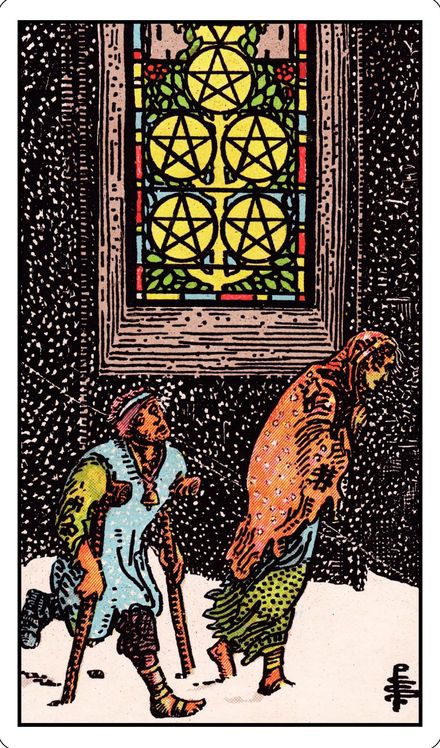
| +Five of Pentacles+The Hierophant | The lighted stained-glass window in the Five is often read as a church, and the Hierophant as who is inside. The pair points to help held by an institution, where asking feels costly. |
| +Five of Pentacles+Four of Pentacles | Having nothing, next to fearing having nothing. The two look alike from outside and need opposite advice. That is the whole use of this pair. |
| +Six of Pentacles+Justice | Fairness looked at twice. Often it concerns whether an arrangement is balanced, and the pairing often suggests it is not. |
| +Six of Pentacles+Ten of Pentacles | Generosity and inheritance together. Often family money, support across generations, or wealth that brings obligations with it. |
| +Seven of Pentacles+Eight of Pentacles | The work and the wait. Together they describe the whole slow middle of building something, and they favor carrying on with both. |
| +Seven of Pentacles+The Hanged Man | Two cards about a pause. Together they argue against forcing anything. The delay may be doing work that only shows afterward. |
| +Seven of Pentacles+Ten of Pentacles | Patience and its long-term result. Usually reassuring. It suggests the slow thing can arrive at something solid and lasting. |
| +Eight of Pentacles+The Hermit | Mastery alone. It echoes the distant town: this phase involves time away from everyone else, and that is part of how it works. |
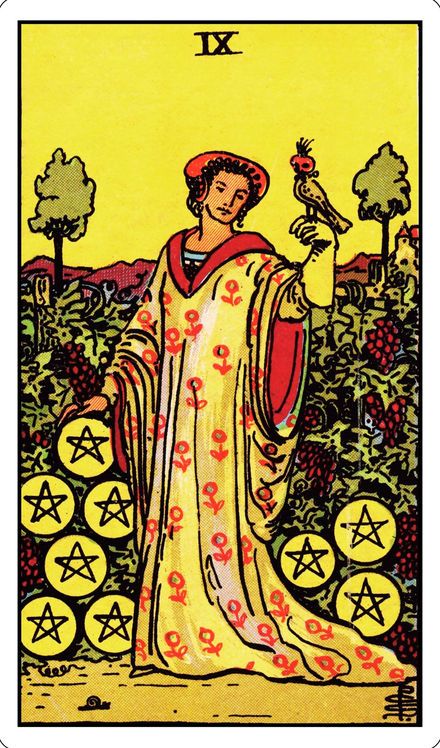
| +Nine of Pentacles+Ten of Pentacles | Personal success next to family wealth. Usually the reading is about whether what you built is for you, or for the people who come after. That is a real fork. |
| +Nine of Pentacles+The Hermit | Two cards about being alone and fine. Together they favor a stretch of solitude, and suggest it is productive. |
| +Nine of Pentacles+Four of Cups | Having plenty and not noticing it. A pointed pair: the garden is real, and the ability to enjoy it is what needs attention. |
| +Nine of Pentacles+Eight of Pentacles | The work and what it bought. Together they suggest the comfort was earned, and that years of repetition produced it. |
| +Ten of Pentacles+Ten of Cups | Material and emotional completion together. About as strong a long-term outcome as the deck offers: a life that is both secure and happy. |
| +Ten of Pentacles+The Emperor | Structure and legacy. Usually formal arrangements: wills, trusts, contracts, and the paperwork that turns an intention into something that lasts. |
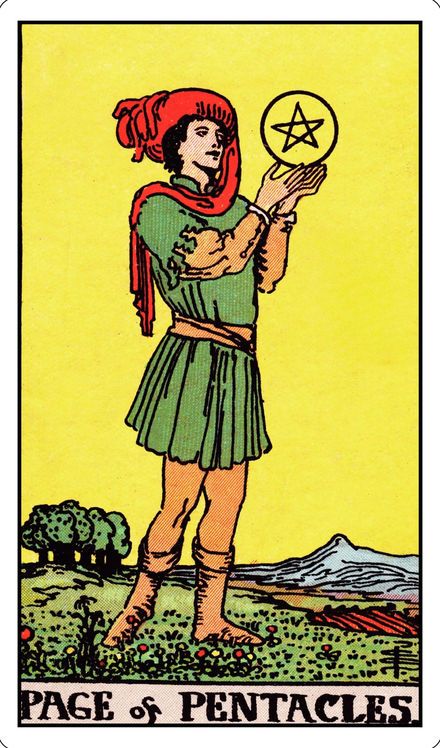
| +Page of Pentacles+Eight of Pentacles | The beginner and the practitioner. Usually a sequence: what is being studied now can become real skill through repetition. The pairing favors committing to the long version. |
| +Page of Pentacles+Ace of Pentacles | The opportunity, and the willingness to learn it. A strong practical pairing: something available, and someone ready to do the plain first part. |
| +Page of Pentacles+The Fool | Two beginners, from opposite directions. The Fool leaps and the Page studies. Together they suggest a start with both nerve and groundwork behind it. |
| +Page of Pentacles+Seven of Pentacles | Starting and waiting. The pairing sets honest expectations: this may be the start of something whose return is a long way off. |
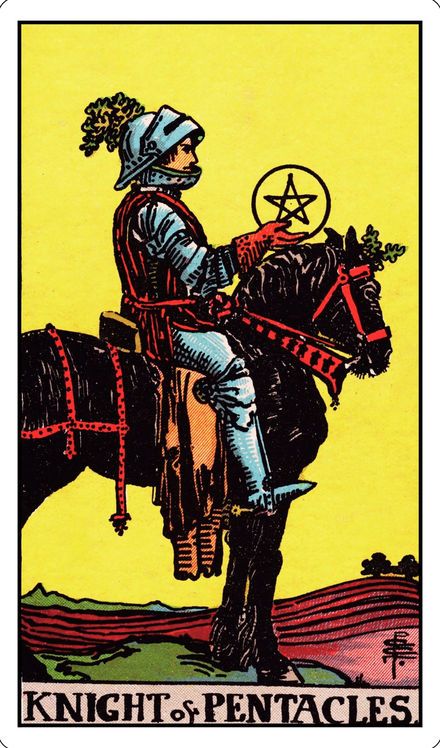
| +Knight of Pentacles+Eight of Pentacles | Diligence twice. A strong pairing for anything that needs sustained work. Both the skill and the temperament to keep going are there. |
| +Knight of Pentacles+The Chariot | Two approaches to progress, at opposite speeds. Usually the reading is about which one the situation needs. It is more often the slow one than people want. |
| +Knight of Pentacles+Seven of Pentacles | Steady work, and the wait for its return. Together they ask for patience. The current approach may be sound, even though nothing shows yet. |
| +Knight of Pentacles+The Fool | A pointed contrast between the leap and the plod. The pairing usually asks whether this calls for nerve or for follow-through. Rarely both. |
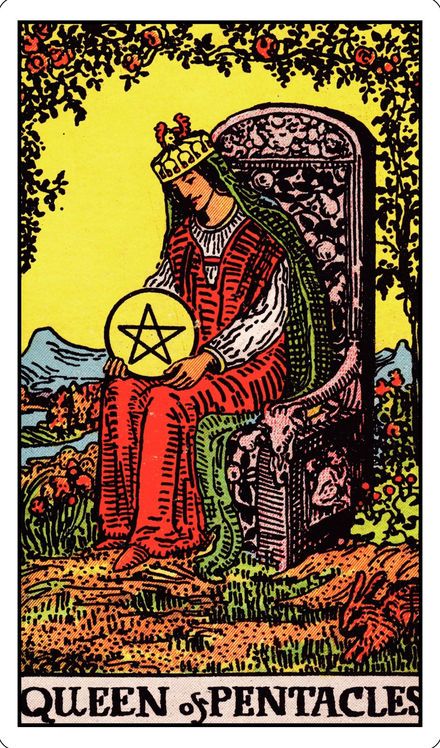
| +Queen of Pentacles+The Empress | Two cards about nurture, one abundant and one practical. Warm together, and they share a warning about giving more than you have. |
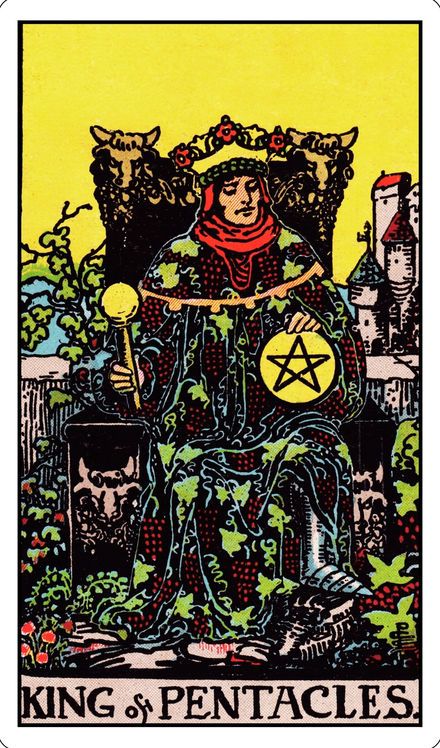
| +Queen of Pentacles+King of Pentacles | The two mature approaches to the material world. She tends, and he provides. Together they usually point to a stable household or partnership. |
| +Queen of Pentacles+Ten of Pentacles | Care and legacy. Often family in the literal sense. What is being looked after now is what gets passed on. |
| +Queen of Pentacles+Four of Pentacles | Generous care next to holding on. Usually the reading is about whether resources are moving or being guarded, and which one the household needs. |
| +King of Pentacles+The Emperor | Two kinds of authority, material and structural. A strong pairing for business and formal arrangements. It favors doing things properly, and in writing. |
| +King of Pentacles+Ten of Pentacles | Wealth and legacy together. Usually it points to money being built for something beyond the person holding it. That is the good version of this card. |
| +King of Pentacles+The Devil | A caution. Material mastery next to compulsion. Often it points to wealth that has become the trap it was meant to free you from. |
Swords
48 pairs, carried by the 14 Swords cards.
| Pair | What they say together |
|---|---|
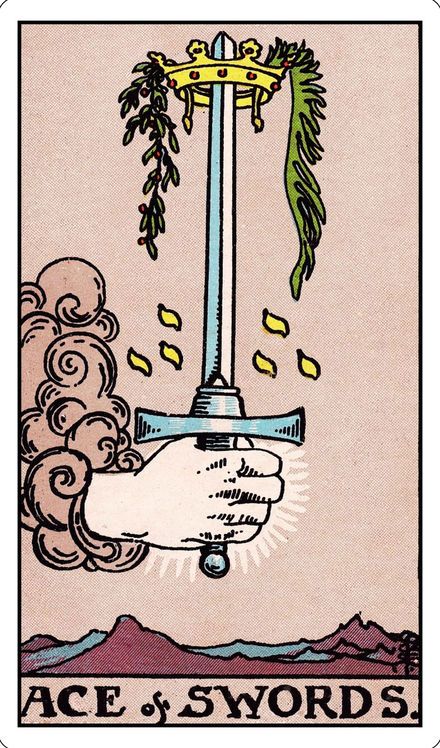
| +Ace of Swords+The Magician | Clarity meets ability. A strong pair: you know what the situation is, and you have the means to act. That is rarer than either one alone. |
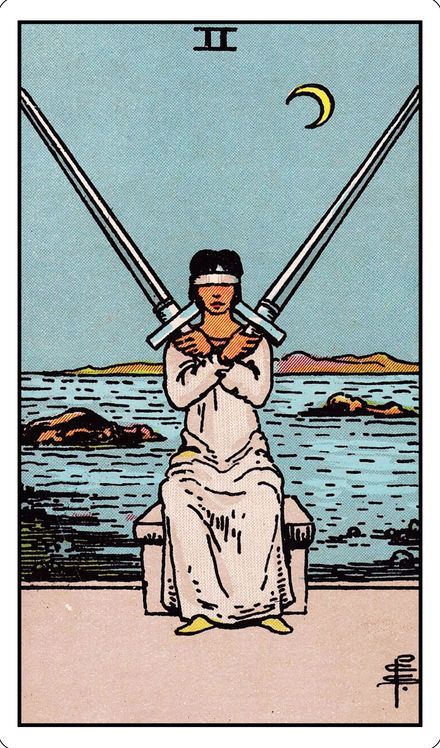
| +Ace of Swords+Two of Swords | Clarity available, next to a refusal to look. The pairing is pointed. It usually means the information is already in your hands, and the blindfold is one you put on. |
| +Ace of Swords+Justice | Truth twice: weighed and spoken. Often formal or legal. It strongly favors full disclosure, and an honest account of your own part. |
| +Ace of Swords+The Moon | A direct tension between clarity and distortion. Usually it means the sharp certainty you feel right now deserves checking before you act on it. |
| +Two of Swords+The Moon | Not looking, next to not seeing clearly. Together they lean against deciding now, and suggest giving the fog time to lift. |
| +Two of Swords+Eight of Swords | Two cards about limits you put on yourself. Both describe binds that are mostly in the mind. Together they suggest the situation is far less fixed than it feels. |
| +Two of Swords+The Lovers | A choice being avoided, next to a real one. Usually it means a decision about a person that has been put off so long that putting it off has become the answer. |
| +Three of Swords+The Tower | A hard truth arriving with a collapse. Together they can mean the revelation and the ending are the same event. That is faster and cleaner than the drawn-out version. |
| +Three of Swords+The Star | Heartbreak, then healing. One of the more hopeful sequences in the deck. It suggests the pain is real, and that recovery can last. |
| +Three of Swords+Five of Cups | Two kinds of grief. The Five mourns something lost, and the Three hurts from something learned. Together they can mean both are happening, and you are mixing them up. |
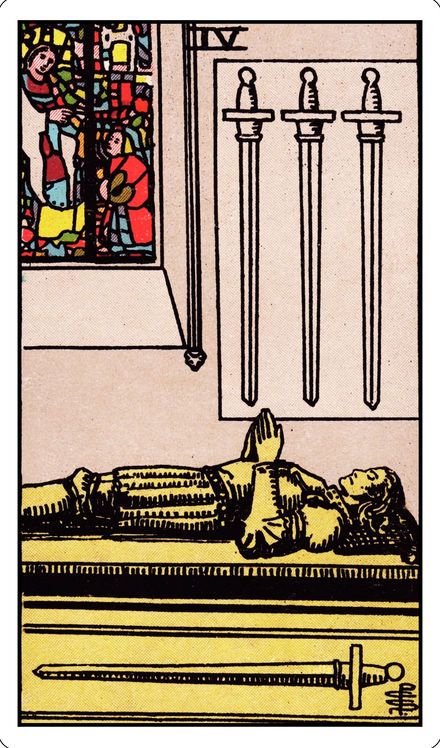
| +Three of Swords+Ace of Swords | The truth, and what it costs. Often it means the clarity was worth having and the price was real. The card does not pretend the two cancel each other out. |
| +Four of Swords+The Hanged Man | Two cards about pausing, and neither will be hurried. Together they make about as firm a case for stopping as the deck can. |
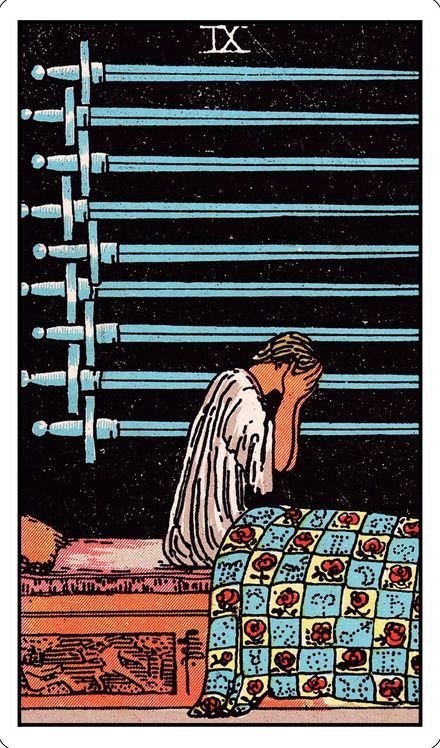
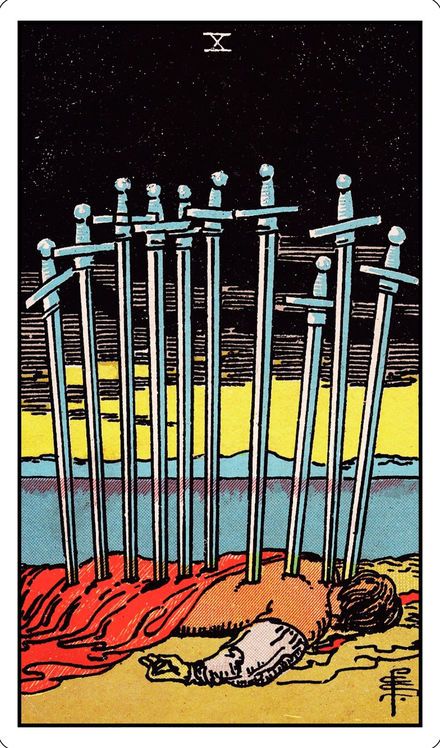
| +Four of Swords+Nine of Swords | Rest next to sleepless worry. Usually it means you need the rest and your mind will not cooperate. That is a specific, common state. |
| +Four of Swords+The Hermit | Withdrawing, twice: once to recover and once to understand. Together they favor a long stretch out of contact, and suggest it may be useful. |
| +Four of Swords+The Star | Rest, then renewal. A gentle pairing. It suggests the recovery is working, and that something which had run out is filling back up. |
| +Five of Swords+Justice | Conflict next to fairness. Often it means the fight is happening on unfair terms, or that being technically right will not lead to a fair outcome. |
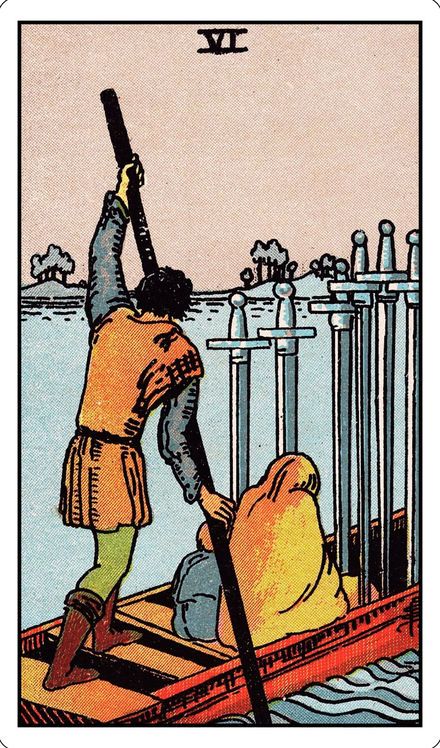
| +Five of Swords+Six of Swords | Conflict, then leaving, in the deck's own order. Together they ask whether walking away would serve you better than winning this fight even more completely. |
| +Five of Swords+The Tower | A conflict that breaks something big. Usually the argument was only the trigger, and the collapse was already waiting. That does not make the argument harmless. |
| +Six of Swords+Eight of Cups | Two departures, in different weather. The Eight leaves something intact, by choice. This one leaves something hard, by necessity. Together they mark a serious, deliberate exit. |
| +Six of Swords+The Star | A crossing into healing. A reassuring pairing. It suggests the calmer water is real, and that recovery may follow. |
| +Six of Swords+The Hanged Man | Moving, next to pausing. Usually the reading is about whether it is time to go or time to wait. Together they favor going, once the pause has done its work. |
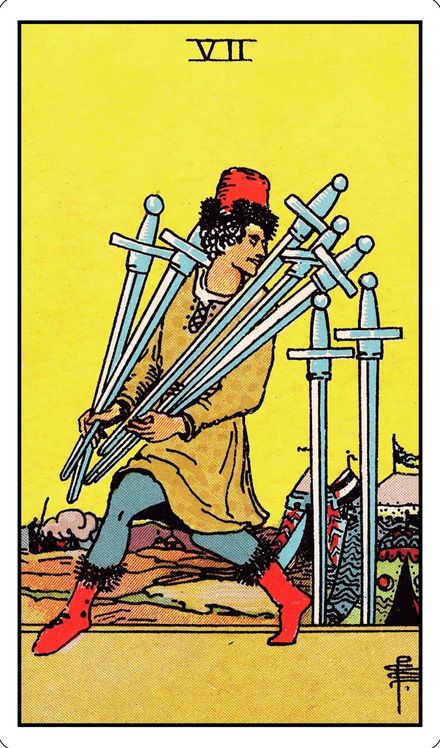
| +Seven of Swords+The Moon | Deception next to warped perception, a hard pair to read. It suggests something may be hidden, and that your sense of what it is may also be unreliable. |
| +Seven of Swords+Five of Swords | Two cards about winning in ways you would not want to describe. Together they can point to a conflict being fought dishonestly. It is worth asking by whom, yourself included. |
| +Seven of Swords+The Devil | Hiding and compulsion. Often it means the thing being hidden is a habit, more than a single event. That changes what a confession would require. |
| +Seven of Swords+Justice | The shortcut, and the reckoning. A pointed sequence, suggesting that what was got away with may soon be looked at properly. |
| +Eight of Swords+The Devil | Two traps you are taking part in. The Devil's chains are loose, and here the way ahead is open. This pairing is about as direct as the deck gets on this theme. |
| +Eight of Swords+The Star | A trap, next to healing. It suggests the stuck period may be ending, and that what follows could be relief instead of a different trap. |
| +Nine of Swords+The Moon | Two cards about fear warping the picture. Together they lean strongly against deciding anything now. The situation may not be what it looks like at the moment. |
| +Nine of Swords+Ten of Swords | Dread, and the thing itself. It can point to a feared ending that has already happened or feels close, and to waiting for it that may be harder than the event. |
| +Nine of Swords+The Star | Anxiety, then relief. A hopeful sequence. It suggests the hard night can end, and that healing may follow. |
| +Ten of Swords+The Tower | Two total endings together. It can point to a collapse that is complete, top to bottom. It asks whether holding any of it in place is still useful. |
| +Ten of Swords+The Star | Rock bottom, and what follows. One of the more reassuring sequences in the deck: the ending is as hard as it looks, and recovery from it is possible. |
| +Ten of Swords+The Fool | An ending that hands you a beginning. Unexpected and hopeful: with nothing left to protect, the next step is unusually free. |
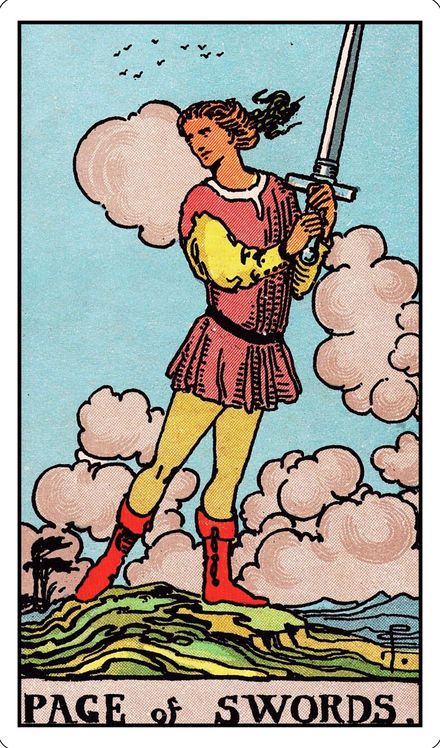
| +Page of Swords+Ace of Swords | Curiosity meets clarity. Often a sequence: the question gets asked, and the answer may come back clearly. That is a good outcome for anything being looked into. |
| +Page of Swords+The Moon | Watchfulness next to distortion. A warning: what you are watching for may be in your own head, and the watchfulness itself is worth examining. |
| +Page of Swords+Seven of Swords | Watchfulness and hiding. It can suggest something is being hidden, and that your noticing is worth trusting. With this Page, that is not always so. |
| +Page of Swords+Page of Pentacles | Two students, one investigating and one practicing. Together they favor learning something demanding, and doing the plain groundwork alongside it. |
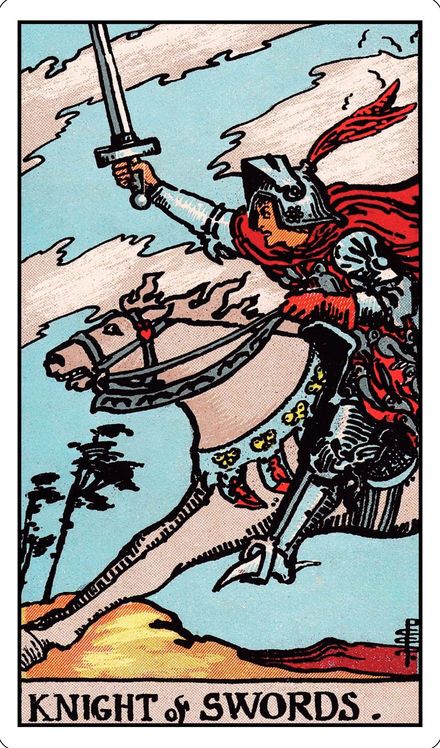
| +Knight of Swords+Knight of Pentacles | The two speeds of the deck, side by side. Usually the reading turns on which one the situation needs, and more often it is the slow one, though nobody wants to hear it. |
| +Knight of Swords+The Chariot | Momentum, twice over. A strong combination for pushing something through, and a warning that neither card is supplying a direction. |
| +Knight of Swords+Five of Swords | Force meets conflict. Often an argument fought at speed and won in a way that costs more than the argument was worth. |
| +Knight of Swords+Temperance | A direct contradiction, and useful for it. One wants speed, and the other wants balance. Together they usually favor the slower approach. |
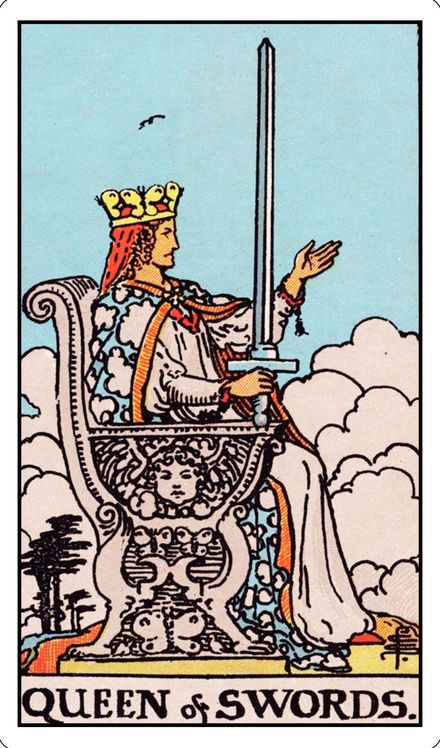
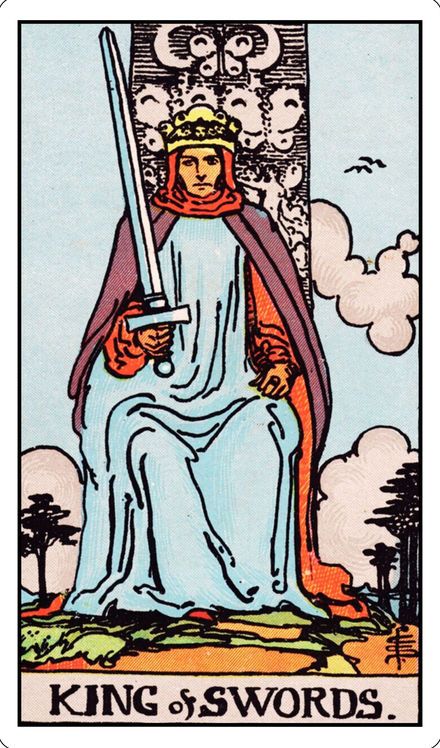
| +Queen of Swords+King of Swords | Two clear minds, one perceptive and one in charge. Together they point to a situation handled with real judgment and very little sentiment on either side. |
| +Queen of Swords+Three of Swords | Clear sight, and the wound that produced it. Usually the reading is about how a past hurt became a permanent way of looking, and whether it still needs to be. |
| +Queen of Swords+The High Priestess | Two ways of knowing, one spoken and one held back. Together they suggest the situation calls for seeing first, and telling later. |
| +Queen of Swords+Queen of Cups | Head and heart, as two mature positions. Often it means a decision needs both, and that neither one alone will give a fair answer. |
| +King of Swords+Justice | Judgment, twice: personal and structural. Waite himself compared this King to Justice. Often a formal process, and the pairing favors doing everything properly and on the record. |
| +King of Swords+The Emperor | Two authorities, one of the mind and one of structure. Together they suggest a decision that may be both reasoned and enforced. That is hard to argue with. |
| +King of Swords+King of Cups | Head against heart, at their most mature. Often the reading is that a good decision needs both, and this one was made with only half. |
Wands
50 pairs, carried by the 14 Wands cards.
| Pair | What they say together |
|---|---|
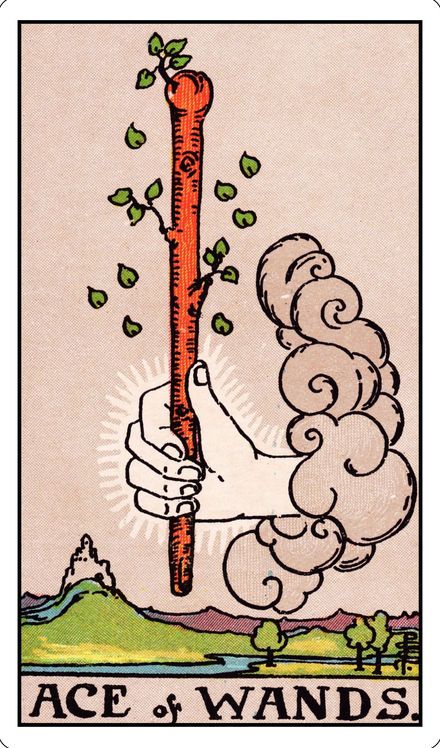
| +Ace of Wands+The Fool | Two beginnings: one about nerve, one about appetite. Together they strongly favor starting now, and suggest the impulse is more trustworthy than the hesitation. |
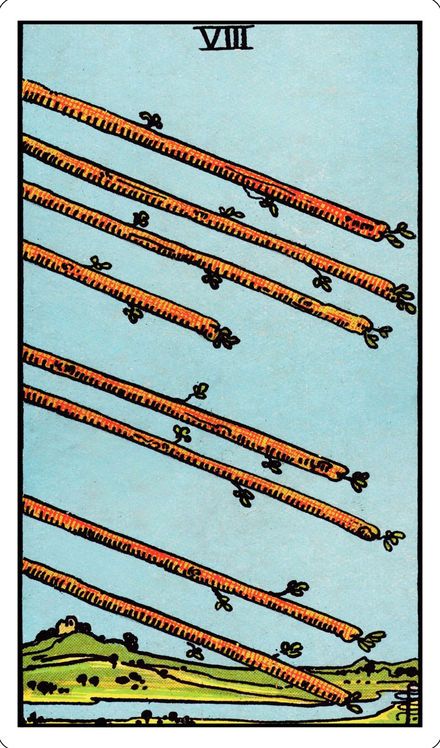
| +Ace of Wands+Eight of Wands | A spark, and then speed. It can mean things take off quickly once you begin. That is encouraging, and worth being ready for. |
| +Ace of Wands+Ace of Pentacles | Energy meets something solid. One of the better combinations for a new venture: the drive to start, and something real to start on. |
| +Ace of Wands+Seven of Cups | One real impulse against many imagined ones. It often points toward the thing you have energy for, over the one that looks best on paper. |
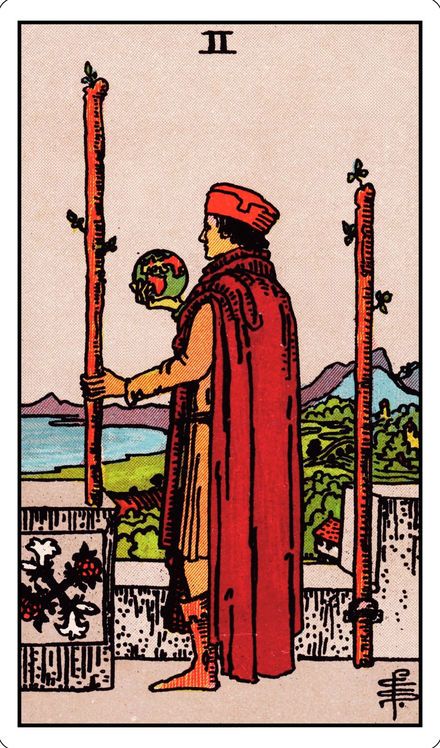
| +Two of Wands+Three of Wands | The plan, and then carrying it out, in the deck's own order. Together they suggest the decision may already be made and the thing already underway. |
| +Two of Wands+The World | Ambition next to completion. It suggests the bigger life you are considering may be achievable, more than a fantasy. That is useful to know. |
| +Two of Wands+Eight of Cups | Two cards about leaving something that is fine. Together they lean firmly toward going. Both agree that nothing is wrong with what you would leave behind. |
| +Two of Wands+Four of Pentacles | Growth against holding on. The tension is the reading: your security is real, and it is what stands between you and the bigger version. |
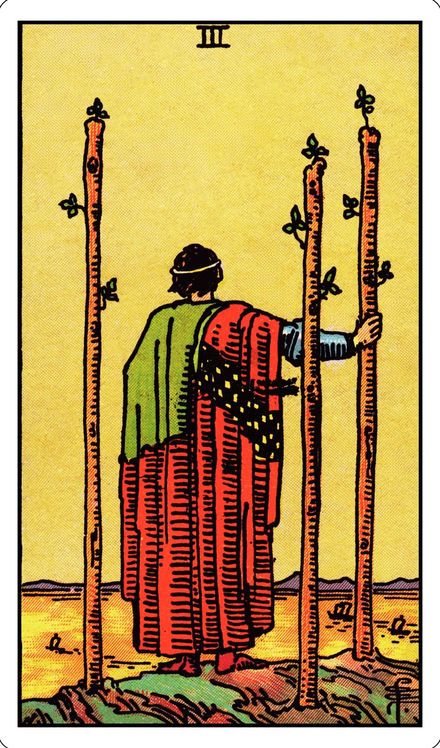
| +Three of Wands+Seven of Pentacles | Two cards about waiting on something already planted. They agree: leave it in the ground, and look further ahead instead of pushing harder. |
| +Three of Wands+Eight of Wands | Waiting, then speed. A good sequence. It often suggests the wait may end suddenly, with several things arriving at once. |
| +Three of Wands+The World | Growth reaching completion. Reassuring: it suggests the ships may come back with what you sent them for. |
| +Three of Wands+The Moon | Watching the horizon without being able to make out what is on it. The pair does not say the wait is wrong. It says your guesses about what is coming back have run ahead of the evidence. |
| +Three of Wands+Eight of Cups | The point where waiting turns into leaving. Together they ask how long the horizon has been empty, and they are gentle if the answer is long enough. |
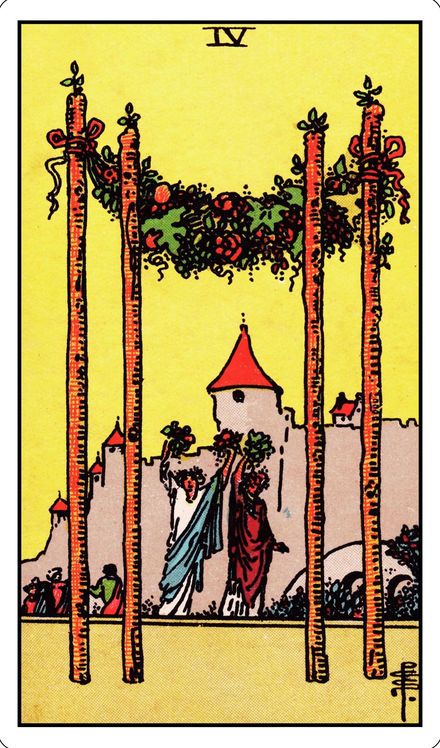
| +Four of Wands+Ten of Cups | The milestone, and the life that follows it. A very positive pairing for home and family. It suggests the arrival will last beyond one good day. |
| +Four of Wands+The Hierophant | A celebration inside a tradition. Often a wedding or another formal occasion. The pairing favors doing it in the recognized way. |
| +Four of Wands+Three of Cups | Two cards about gathering, one at home and one social. Together they point to a life full of people, and an occasion worth bringing them together for. |
| +Four of Wands+Eight of Cups | A sharp contrast: arriving somewhere stable, and walking away from it. It often asks whether the milestone is really yours, or one you inherited. |
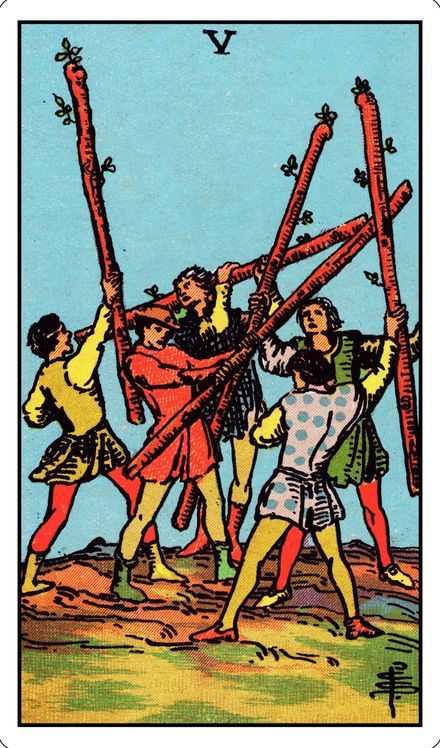
| +Five of Wands+Five of Swords | Messy friction next to a fight with a winner. Together they can mark the moment a scuffle turns into something that costs someone. |
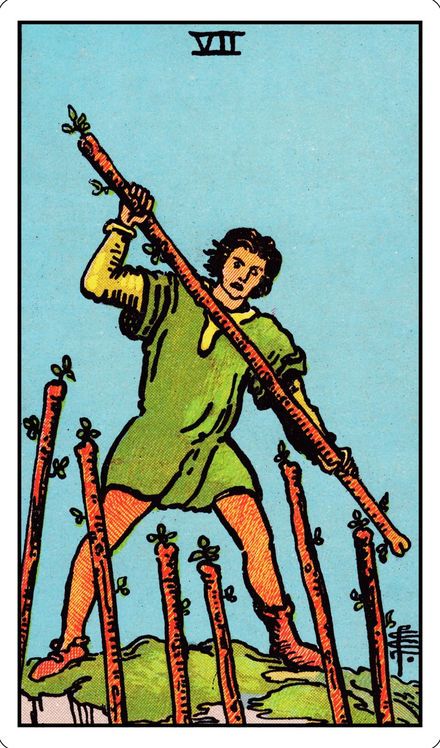
| +Five of Wands+Seven of Wands | Competition, then defending your position. A strong sequence. The contest may end with you holding ground you have won, which is more focused than the scuffle. |
| +Five of Wands+Three of Pentacles | Clashing effort next to teamwork that works. The contrast is the reading: the same people could be building something together. |
| +Five of Wands+Temperance | Noise meets balance. It often suggests the disagreement is smaller than it feels, and may settle through blending ideas instead of anyone winning. |
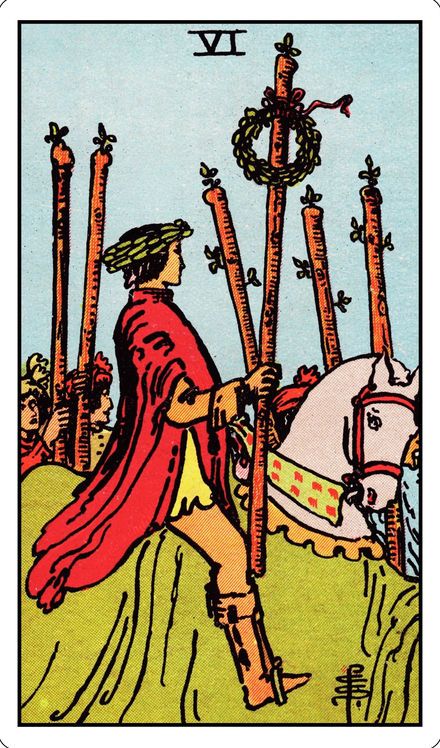
| +Six of Wands+Five of Wands | The contest, then the result, in the deck's own order. Together they suggest the scuffle may end, with something to show for it. |
| +Six of Wands+The Sun | Success, and being seen. About as positive a combination as this suit offers. It strongly favors letting your achievement be seen. |
| +Six of Wands+Three of Pentacles | Skill, and recognition for it. It often points to good work finally being noticed by people whose opinion counts. |
| +Six of Wands+Seven of Wands | Winning the position, then defending it. A realistic sequence: the card after the parade is about holding on to what the parade was for. |
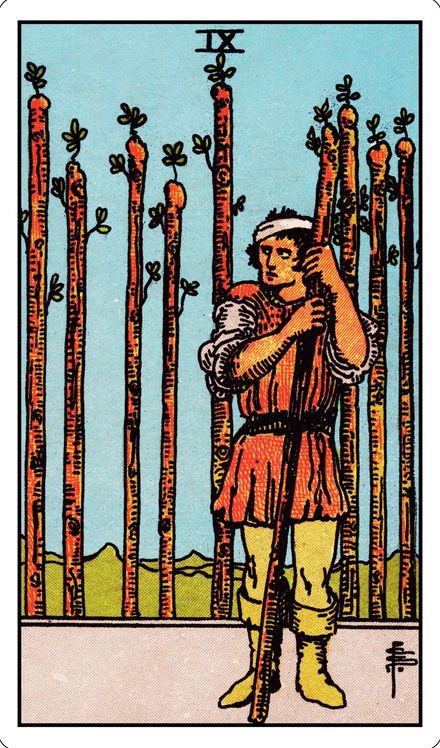
| +Seven of Wands+Nine of Wands | Two cards about holding on, at different stages. The Seven still has the high ground. The Nine is wounded and still standing. Together they mark a long defense. |
| +Seven of Wands+The Emperor | Defending a position with structure behind it. It can suggest the ground is formally yours, and your case for it is stronger than it feels right now. |
| +Eight of Wands+The Chariot | Speed with direction. Together they point to momentum that is heading somewhere specific. |
| +Eight of Wands+The Tower | Fast movement meets sudden change. It can mean events outrun any ability to manage them. The useful response is to react well, instead of trying to steer. |
| +Nine of Wands+Ten of Wands | Endurance next to overload. It often suggests the persistence is real, and the weight you carry has become the problem more than the opposition. |
| +Nine of Wands+The Star | Exhaustion, then renewal. A hopeful sequence. It suggests the hard stretch can end, and that recovery may follow, with no new round of fighting. |
| +Nine of Wands+Four of Swords | Persistence next to the need for rest. Often the reading is: finish the push, then stop properly, before rolling straight into the next thing. |
| +Ten of Wands+The Hanged Man | A burden meets a forced pause. It can suggest stopping may come whether you choose it or not, and choosing it usually costs less. |
| +Ten of Wands+Four of Swords | The load, and rest. A firm pairing: the next step looks like stopping, and the deck is not subtle about it. |
| +Ten of Wands+The Emperor | A load carried alone where a structure was needed. The pair treats the overload as a design flaw. The fix is dull: someone has to decide who carries what. |
| +Ten of Wands+Six of Swords | Leaving with the bundle still in your arms. Worth reading closely in a spread about moving on. Leaving does not, by itself, put anything down. |
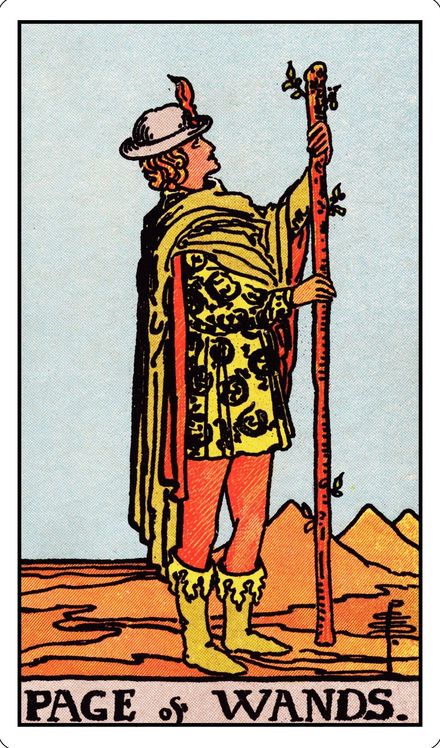
| +Page of Wands+Ace of Wands | The spark, and the person carrying it. Together they strongly favor starting now. They suggest the impulse has more behind it than a passing interest. |
| +Page of Wands+Eight of Pentacles | Appetite meets practice. A good balancing pair. The enthusiasm is real, and what it needs is the plain, repeated work the Eight describes. |
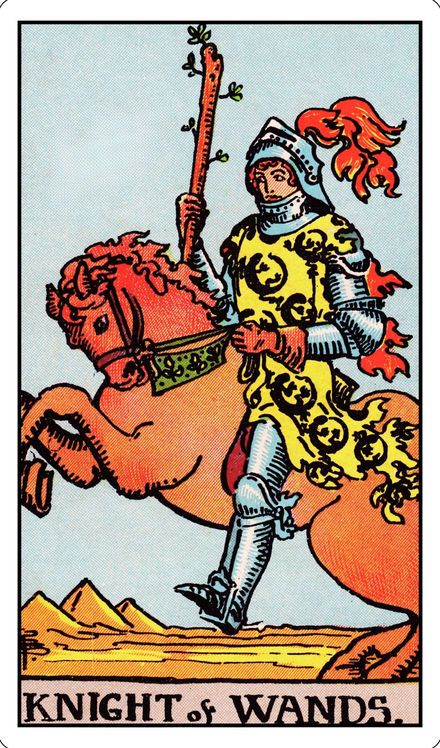
| +Page of Wands+Knight of Wands | The interest, and then the charge. Often a sequence, where a spark quickly becomes a full commitment, with everything that means about speed. |
| +Page of Wands+The Fool | Two beginners without a plan. Warm and a little reckless. Together they favor going before you are ready, instead of waiting until you are. |
| +Knight of Wands+Knight of Pentacles | The fastest and slowest riders in the deck. The reading often turns on which one the situation needs, and more often it is the slow one. |
| +Knight of Wands+The Chariot | Force with direction. A strong combination. The Chariot supplies the direction that this Knight does not carry on his own. |
| +Knight of Wands+Ten of Wands | The charge, and the load that follows. Often a warning: taking on everything at speed can produce the heavy bundle the Ten describes. |
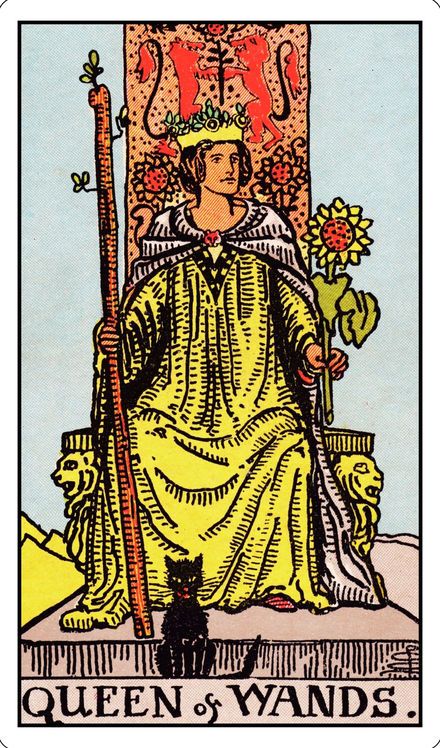
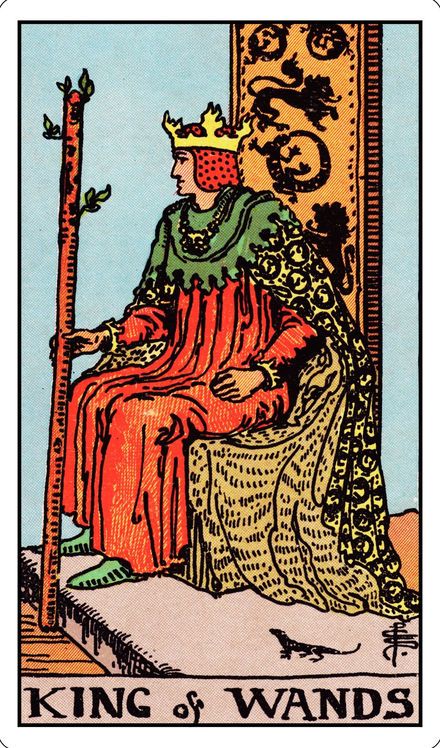
| +Queen of Wands+King of Wands | The two mature forms of fire, one magnetic and one commanding. Together they can point to a partnership with a lot of presence and very little quiet. |
| +Queen of Wands+The Sun | Warmth, twice over. About as positive as this suit gets. It suggests being seen in a way that is welcome, and confidence that is earned, never faked. |
| +Queen of Wands+Queen of Cups | Two kinds of warmth, outward and inward. Often the reading is that the situation needs both the magnetic and the receptive, and is only getting one. |
| +Queen of Wands+Five of Wands | Presence in the middle of competition. It often points to holding your own in a crowded field by being clearly yourself, more than by out-arguing anyone. |
| +King of Wands+The Emperor | Vision meets structure. A strong combination. One sets the direction, and the other makes it last. That is rarer than either one alone. |
| +King of Wands+Knight of Wands | The charge, and the command. Usually the reading is that the energy needs a destination, and this King is the one who can provide it. |
| +King of Wands+Eight of Pentacles | Vision next to the work it takes. A useful balance. The direction is sound, and someone still has to put in the hours. |
One card sets the subject, the other sets the condition
The join is the part nobody teaches. Most people learn 78 meanings, deal three cards, and then read three separate paragraphs out loud in order, which is the tarot equivalent of reading a sentence one word at a time. The reason the pairs above are written as single sentences is that a pair is a single statement.
In practice one of the two cards is nearly always the louder one. It says what the reading is about. The other says how that subject is arriving: early or late, wanted or resisted, from inside the situation or from outside it. The Four of Swords next to the Nine of Swords is rest next to the inability to rest, and once you have the join, the pair says something neither card says alone, which is that the recovery is available and the mind is not cooperating with it.
The test for whether you have found the join is whether the sentence survives being said out loud to somebody who does not read tarot. If it comes out as two definitions with an "and" between them, the join has not been made yet.
Why this page has 252 pairs out of a possible 3,003
Search for tarot combinations and you will find pages advertising all 3,003 of them. That number is arithmetic, 78 choose 2, and a page carrying all of it was produced by putting two keyword lists through a loop. You can tell from the inside: every entry has the same length, the same shape, and the same confidence, including for pairs no living reader has drawn or thought about.
The 252 here are 8.4 percent of that arithmetic, and they were chosen the other way round. Each of the 78 cards carries four pairings written on its own page, which is 322 in total; 70 of those turn out to be the same pair written from both sides, so the distinct count lands at 252. What decided each one was having something to say about it, and a pairing that could be swapped onto a different card without anyone noticing was not worth writing down.
This costs coverage and it is the right trade. If you are holding two cards that are not on this page, the two card pages will get you further than a generated line about them would, because the material that makes a pair legible is in the individual readings.
The keyword method, and the point where it stops working
The standard way to build a combinations page is to take each card's keywords and collide them. Ace of Cups is "new feelings", Two of Cups is "partnership", so the pair is "new partnership feeling". For a large part of the deck this produces something reasonable, and it is a fair way to get moving when a pair is unfamiliar.
It fails in a specific and predictable place, which is any pair where the two cards contradict each other. Collide the keywords for the Ace of Swords and the Two of Swords and you get "clarity" plus "stalemate", which reads as a muddle. The reading that survives contact with a real spread is sharper than that: the information is already in hand and the blindfold is self applied, which makes the impasse a choice rather than a condition. No keyword collision produces that sentence, because the work was deciding which card is describing the other.
So the keyword method is a starting position rather than an answer. Where the two cards agree it gets you most of the way. Where they disagree, and those are the pairs worth looking up, it produces something that sounds like a reading and says nothing.
The Major Arcana does more of this work than its share
The majors are 22 of the 78 cards, a little over a quarter of the deck, and they take 40 percent of the appearances in the pairs above. A major turns up in 9.2 pairs on average against 5.4 for a minor. That gap was not planned. It fell out of writing the pairings one card at a time and only shows up when they are counted together, which is the argument for a page like this existing at all.
The reason is the division of labor in a reading. A major names what the reading is about, and a minor tends to describe circumstances, so a minor often needs a major beside it before it says anything larger than an errand. The Tower leads the whole deck at 19 pairs, ahead of The Star, The Moon and The Fool, and that is a fact about reading rather than about the card. A card that describes something sudden and unexplained is the one that most needs a neighbor to say what kind of collapse it is.
Among the minors the pattern is different and just as consistent: 71 of the 103 pairs where both cards are minors have both cards in the same suit. Two cards from one suit are the clearest signal a spread gives you, because a repeated suit says the whole question is happening in one department of a life rather than across several.
Common questions
- What do two tarot cards mean together?
- Two cards together make one statement. The usual shape is that one card names the situation and the other says what condition it is in, so the pair reads as a single sentence with a subject and a verb. This page collects 252 pairs that a reader is likely to draw, each with what the two say when they land together.
- How many tarot card combinations are there?
- A 78 card deck makes 3,003 possible two card combinations, and that number is the reason to be careful with pages that promise all of them. Most of those pairs have never been drawn together by anyone and have nothing particular to say. This site publishes 252, which is 8.4 percent of the arithmetic and close to all of the pairs it has something specific to add about.
- Does the order of two tarot cards matter?
- Less than people expect. 70 of the pairs here were written twice on this site, once from each card's page and independently of each other, and the two readings arrive in the same place. What changes a reading is the position a card sits in within a spread, which is a different question from which of the two you look at first.
- Which tarot card appears in the most combinations?
- The Tower, in 19 of the 252 pairs on this page, ahead of The Star, The Moon and The Fool. That is a fact about reading rather than about the card: a card that describes something sudden and unexplained is the one that most needs a neighbor to say what kind of collapse it is, so it attracts pairings the way a gentle card does not.
- Can you read three or more tarot cards together?
- Yes, and the pairs are how you get there. A three card line is usually read as two joins rather than as one three way meaning: what the first says to the second, then what the second says to the third. If a spread of six cards seems to have a theme, that theme is nearly always one repeated suit or one repeated number doing the work, which is easier to see once the two card joins are familiar.
Every card in every pair above has a page with its meaning in full, upright and reversed, and its own four pairings in context. Start from the card meanings, or from the Major Arcana and Minor Arcana hubs.
Reading cards in relation to each other is the subject of how to read tarot, which covers positions and spreads as well as pairs. If a card came out upside down, all 78 reversed meanings sit beside their upright versions in one table.
There is also a page on what Reflecta is, if the waitlist is a step too early.