Reading playing cards as tarot
A standard 52 card deck maps onto the tarot's 56 minor arcana. Spades are Swords, Hearts are Cups, Diamonds are Pentacles, and Clubs are Wands, with Ace through Ten running straight across. The Jack stands in for the Page, and the Knight has no counterpart at all. What a playing card deck cannot deal is the 22 Major Arcana, so it reads the situation rather than the chapter it belongs to.
Somebody searching for what the Nine of Spades means gets sent, by most of the internet, to a page about the Nine of Swords. That page is not wrong, and it is not the answer either. It assumes the reader owns a tarot deck. The person asking usually owns a pack of cards from a drawer, and wants to know what it can do.
Quite a lot, as it turns out, and the limits are specific enough to be worth stating up front.
They were one deck before they were two
A playing card deck looks like a stripped down tarot. The two are siblings.
Cards reached Europe in the 1370s with four suits of the Latin kind: swords, cups, coins, and batons, which Italian and Spanish decks still use today. In northern Italy in the 1400s somebody added a fifth sequence of picture cards to that deck, outside the suits, to serve as permanent trumps in a game. Those trumps became the Major Arcana, and the game deck became the tarot.
Meanwhile French makers simplified the pips into four flat shapes that could be stenciled in two colors rather than drawn: pique, coeur, carreau, trèfle. Spades, hearts, diamonds, clubs. Cheap to print, and they won everywhere the games went.
So the 52 card deck in your drawer is the older structure with the trumps left out, and the tarot is the older structure with the trumps kept. Reading one as the other goes back to the point where they separated.
The suit mapping
| Playing card suit | Tarot suit | What the suit is about |
|---|---|---|
| Spades | Swords | Thought, conflict, truth, the things you work out in your head |
| Hearts | Cups | Feeling, relationship, what you want |
| Diamonds | Pentacles | Money, work, the body, anything with a cost |
| Clubs | Wands | Drive, appetite, the thing you start |
Two of these are settled and two are argued about, and it is worth knowing which is which.
Nobody disagrees about Spades and Hearts. A spade is a pointed blade and a heart is a cup of feeling, and both the shape and the sense carry straight over.
The argument is always Clubs against Diamonds. The mapping above follows the shapes back: the diamond descends from the coin, and the club from the baton, which is where the names in other languages still sit. But there is a live cartomancy tradition that reads Clubs as work and money and Diamonds as energy and news, which puts Clubs with Pentacles and Diamonds with Wands, and the readings it produces hold together. If a book you trust uses that one, use that one. Either choice holds. The mistake is choosing twice in the same reading.
The rank mapping, and the card that did not survive
Ace through Ten go straight across. A Seven of Hearts is the Seven of Cups, with everything that card carries about too many options and none of them tested.
The courts are where the decks stop matching. Tarot has four: Page, Knight, Queen, King. The French deck has three: Jack, Queen, King. That is two cards merged into one, because the Jack is the descendant of both the young attendant and the mounted rider.
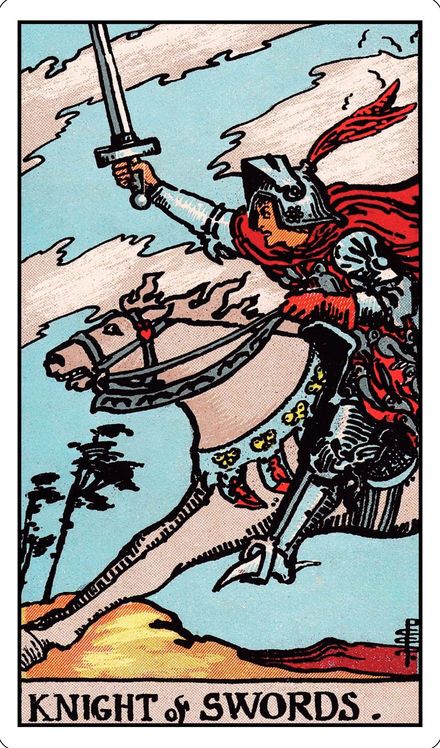
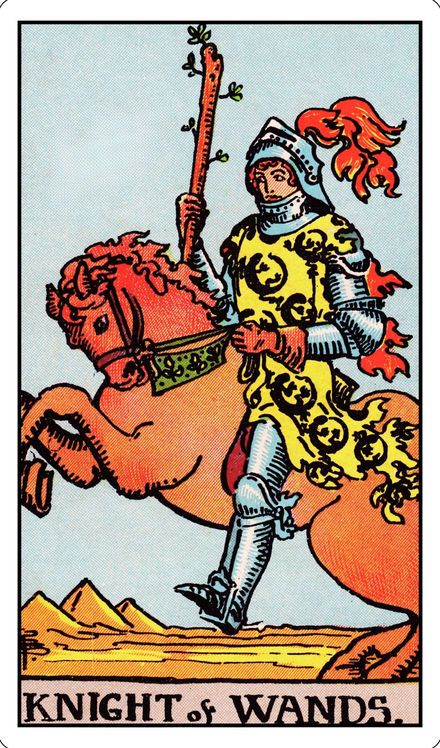
Most readers hand the Jack to the Page and live with the consequence, which is real. Whatever the Knights do, and what they do is move fast in one direction without looking sideways, has no card in a 52 card deck. If your reading wants to say this is already in motion and it will not be talked out of it, the deck cannot say it. That is the sharpest thing a playing card reading is missing, and it is missing four times.
Every card, suit by suit
Four tables, 56 cards, including the four that have no playing card to stand for them. Each tarot card links to its full meaning.
Spades
| Playing card | Tarot card | Reads as |
|---|---|---|
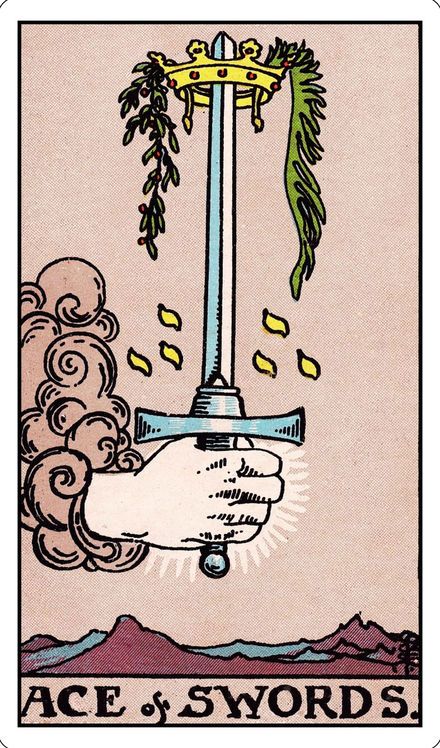
| A♠Ace of Spades | Ace of Swords | breakthrough, clarity, truth |
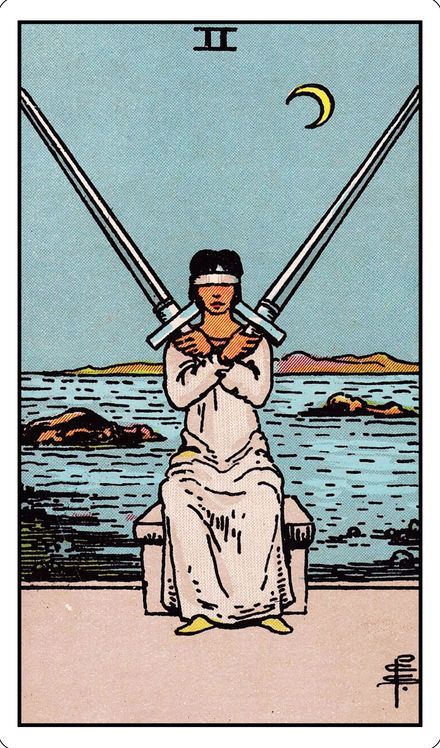
| 2♠Two of Spades | Two of Swords | difficult decisions, stalemate, avoidance |
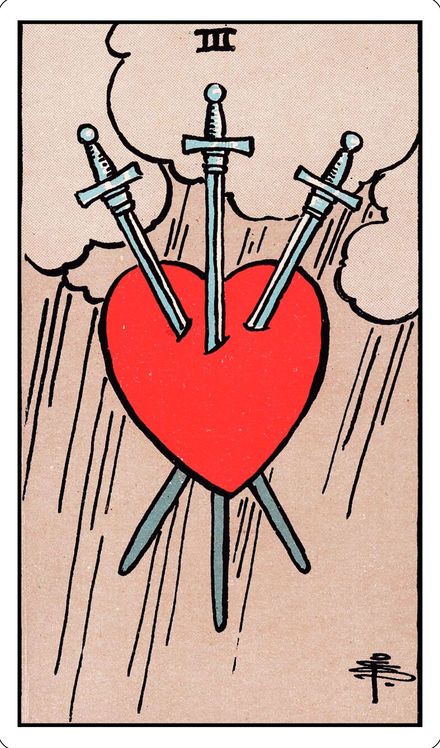
| 3♠Three of Spades | Three of Swords | heartbreak, sorrow, grief |
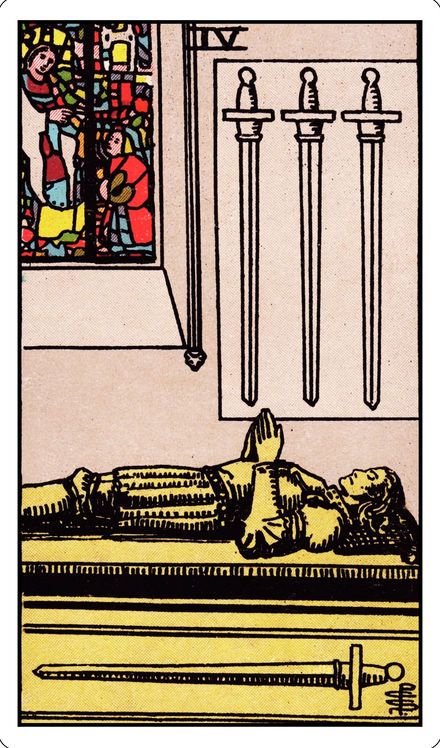
| 4♠Four of Spades | Four of Swords | rest, recovery, contemplation |
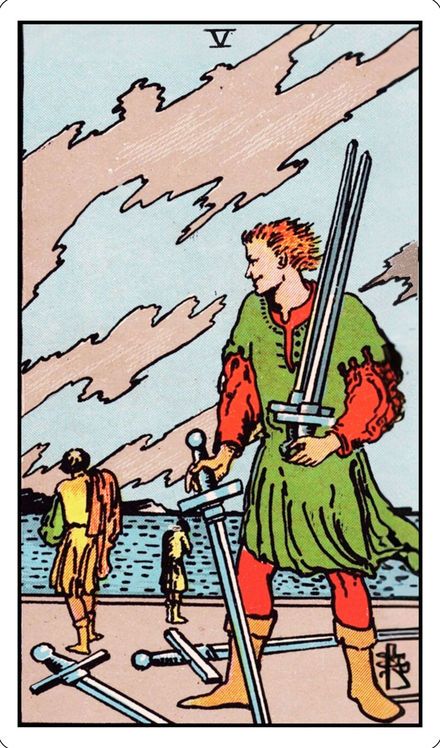
| 5♠Five of Spades | Five of Swords | conflict, defeat, hostility |
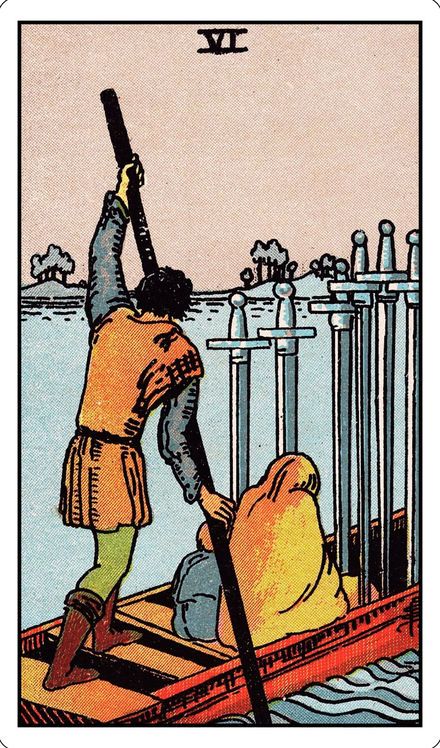
| 6♠Six of Spades | Six of Swords | transition, moving on, leaving behind |
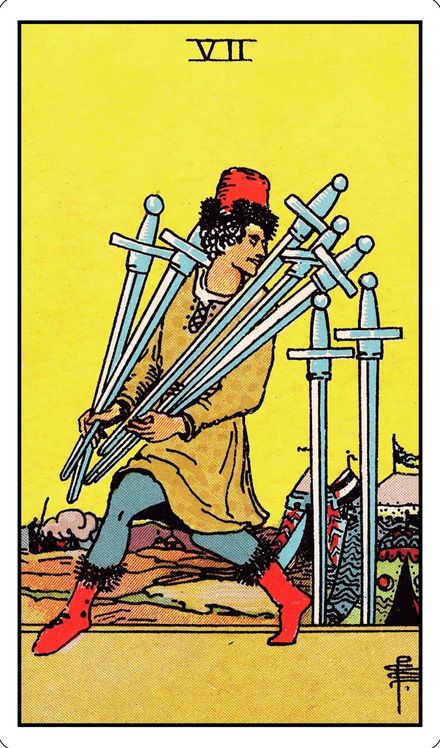
| 7♠Seven of Spades | Seven of Swords | deception, strategy, cunning |
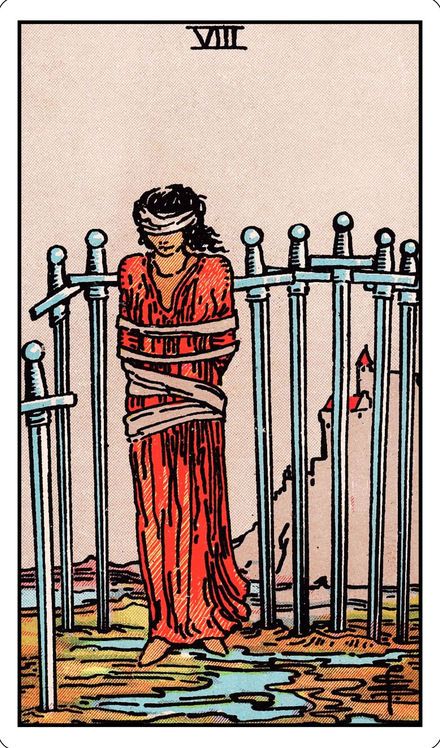
| 8♠Eight of Spades | Eight of Swords | restriction, feeling trapped, powerlessness |
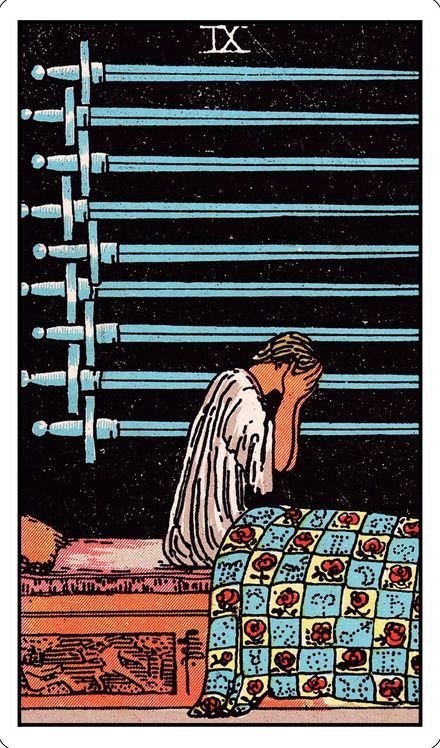
| 9♠Nine of Spades | Nine of Swords | anxiety, worry, sleepless nights |
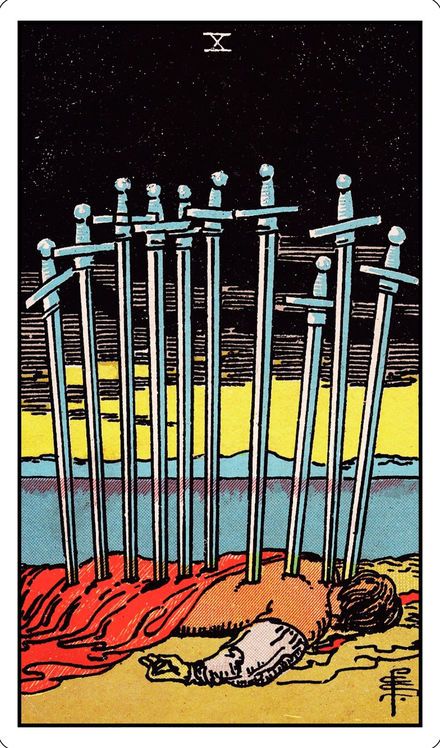
| 10♠Ten of Spades | Ten of Swords | painful ending, rock bottom, release |
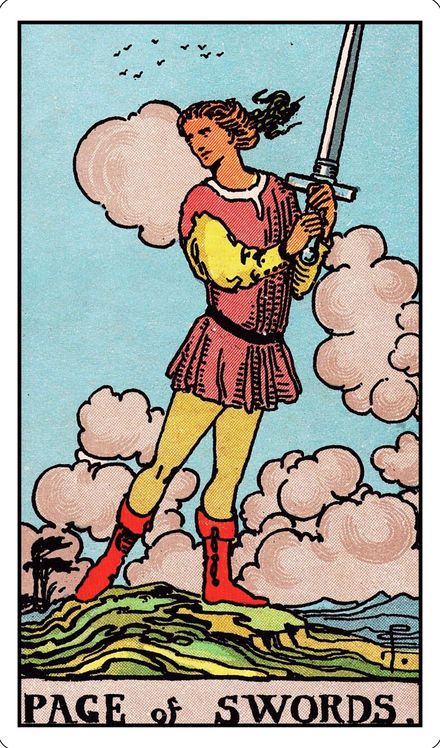
| J♠Jack of Spades | Page of Swords | curiosity, new ideas, communication |
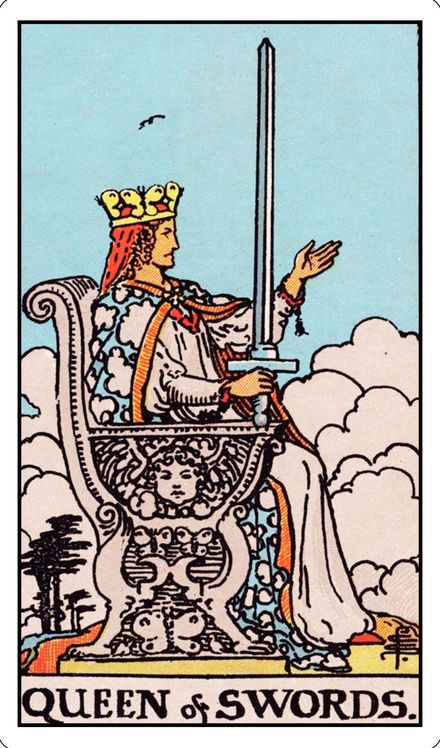
| Q♠Queen of Spades | Queen of Swords | independence, clear thinking, direct communication |
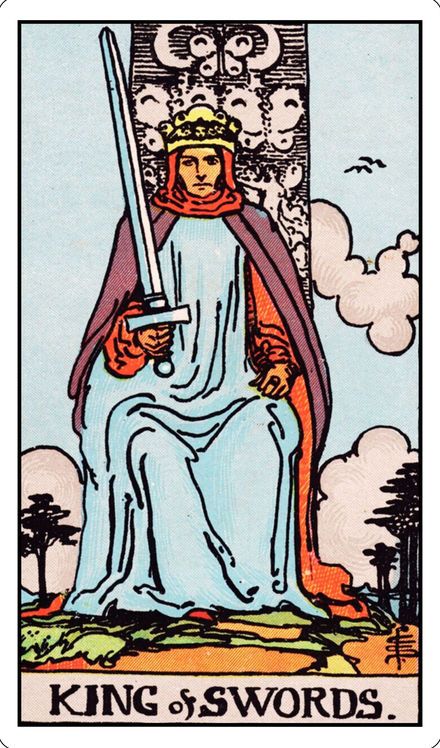
| K♠King of Spades | King of Swords | authority, truth, intellectual power |
| noneNo counterpart in a 52 card deck | Knight of Swords | action, ambition, drive |
Hearts
| Playing card | Tarot card | Reads as |
|---|---|---|
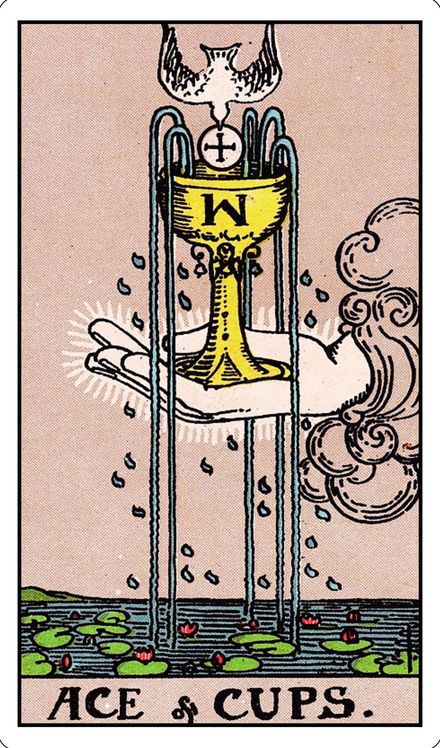
| A♥Ace of Hearts | Ace of Cups | love, new feelings, emotional opening |
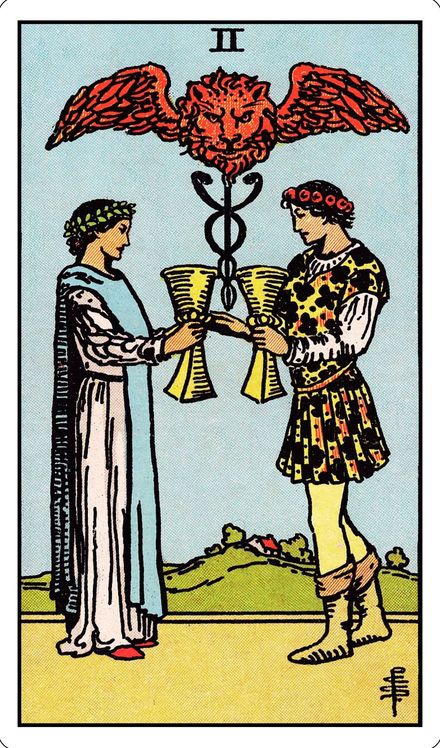
| 2♥Two of Hearts | Two of Cups | partnership, unity, mutual attraction |
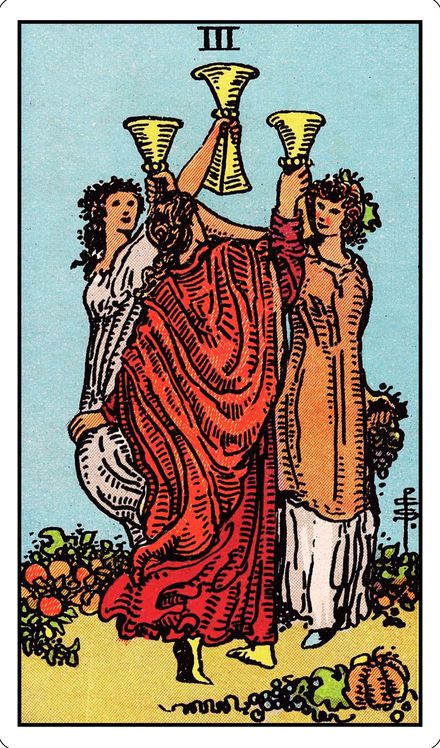
| 3♥Three of Hearts | Three of Cups | celebration, friendship, community |
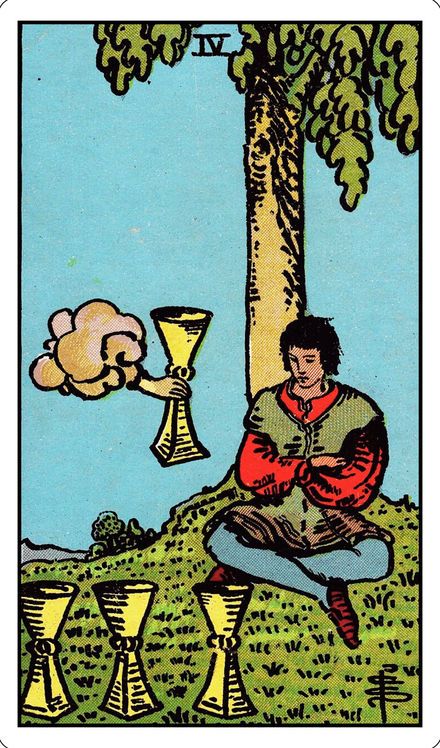
| 4♥Four of Hearts | Four of Cups | apathy, contemplation, disconnection |
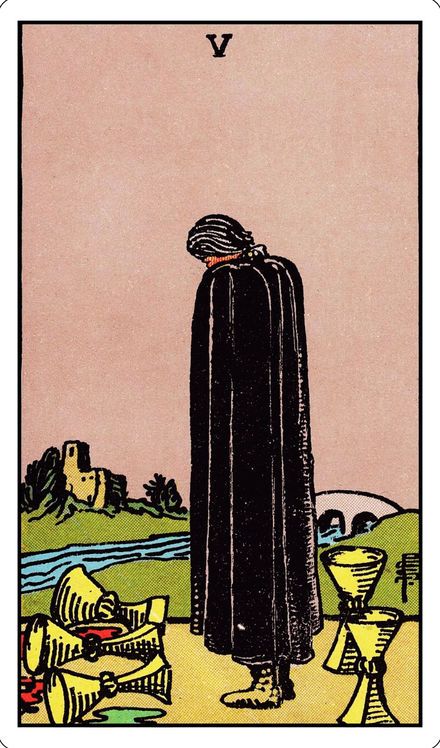
| 5♥Five of Hearts | Five of Cups | loss, grief, regret |
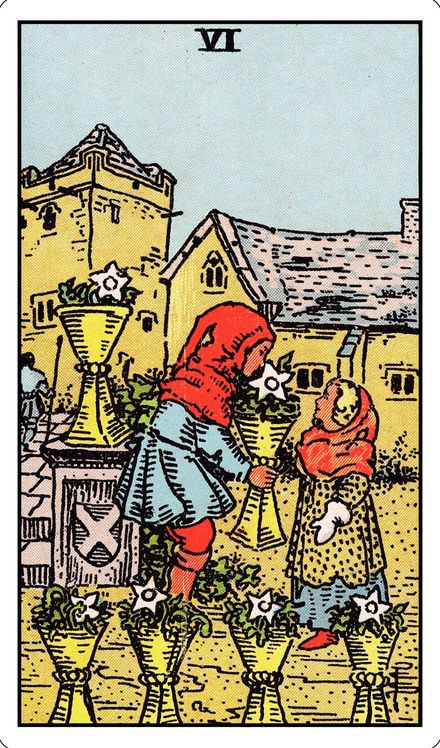
| 6♥Six of Hearts | Six of Cups | nostalgia, childhood, innocence |
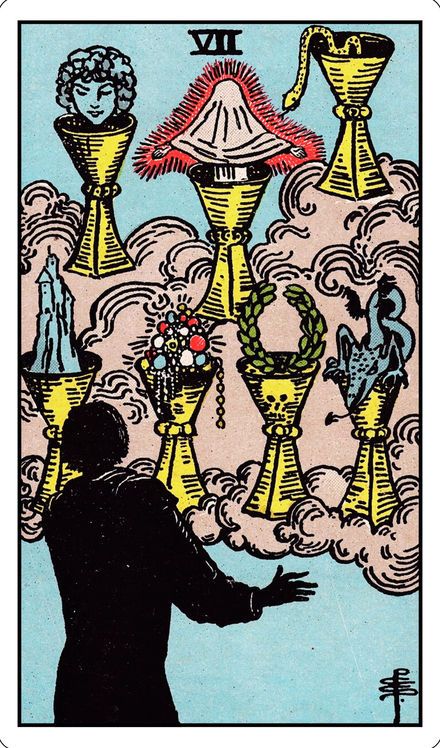
| 7♥Seven of Hearts | Seven of Cups | illusion, choices, wishful thinking |
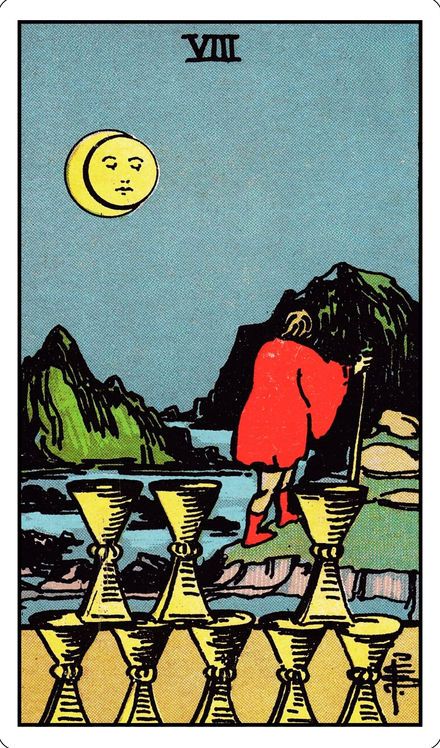
| 8♥Eight of Hearts | Eight of Cups | walking away, disillusionment, leaving behind |
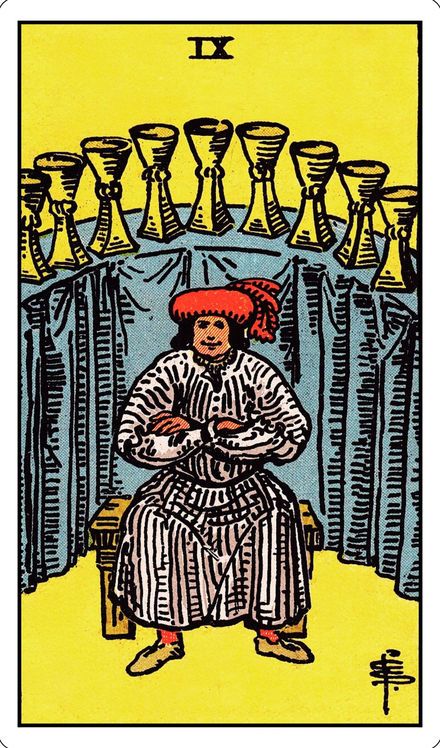
| 9♥Nine of Hearts | Nine of Cups | wishes fulfilled, satisfaction, contentment |
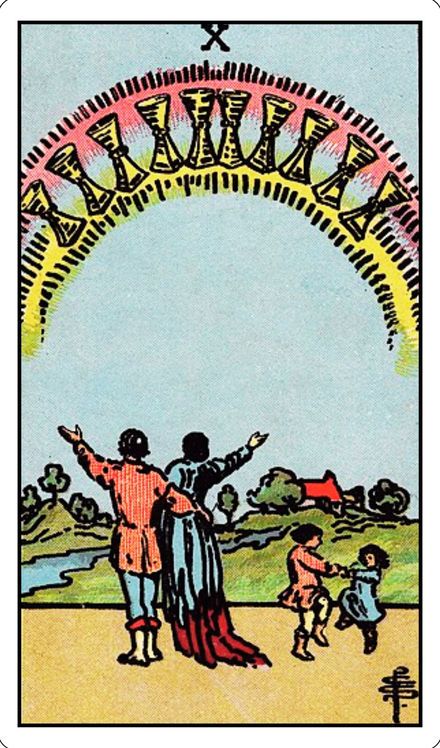
| 10♥Ten of Hearts | Ten of Cups | harmony, family, emotional fulfillment |
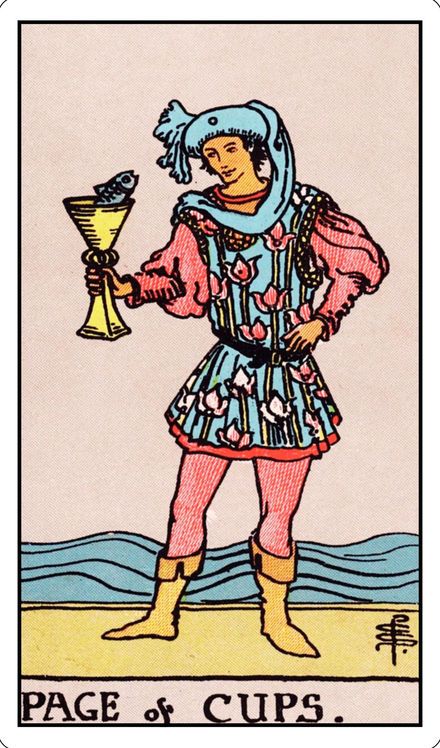
| J♥Jack of Hearts | Page of Cups | creative opportunity, curiosity, new message |
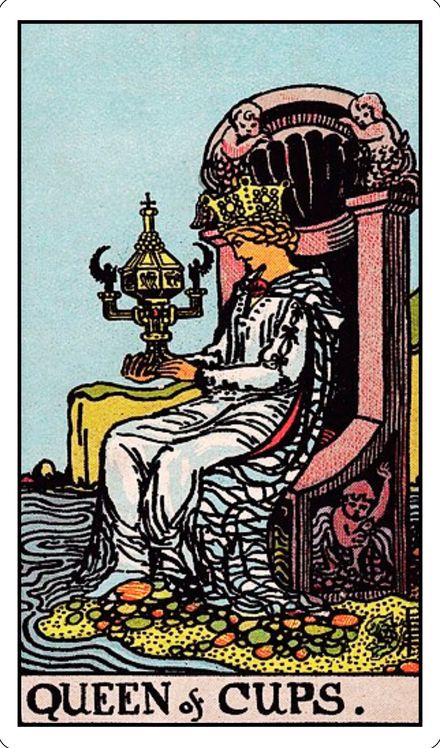
| Q♥Queen of Hearts | Queen of Cups | compassion, calm, emotional security |
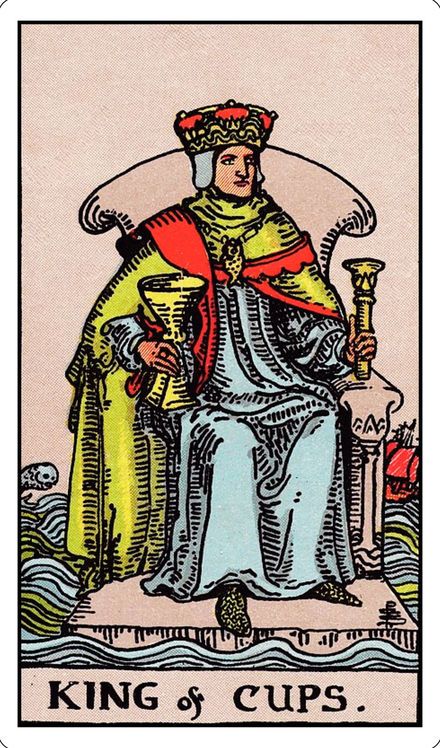
| K♥King of Hearts | King of Cups | emotional balance, diplomacy, generosity |
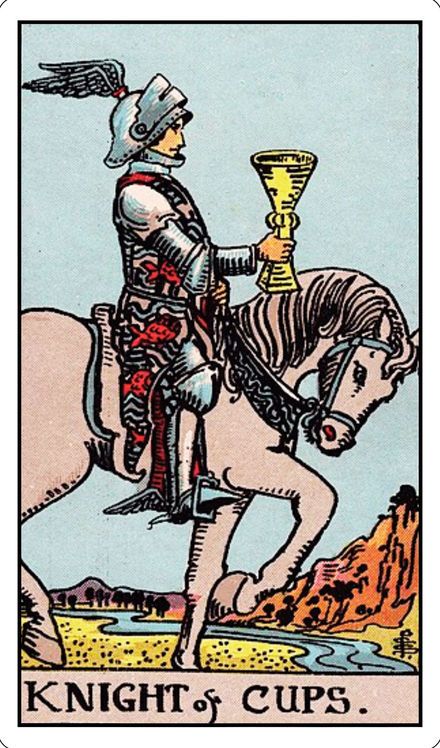
| noneNo counterpart in a 52 card deck | Knight of Cups | romance, charm, following the heart |
Diamonds
| Playing card | Tarot card | Reads as |
|---|---|---|
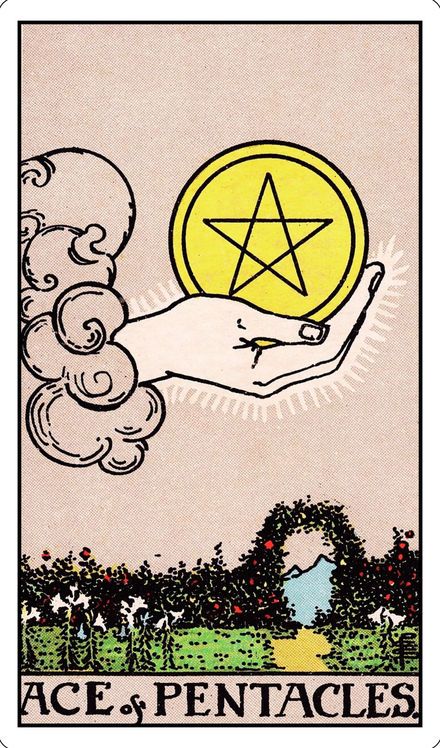
| A♦Ace of Diamonds | Ace of Pentacles | opportunity, prosperity, new venture |
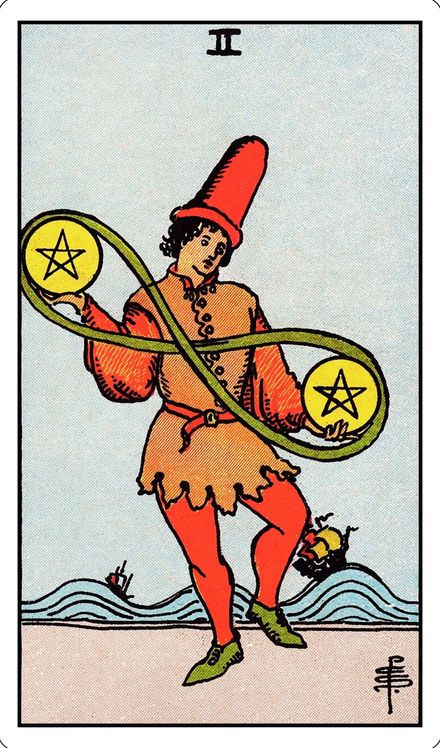
| 2♦Two of Diamonds | Two of Pentacles | balance, adaptability, juggling priorities |
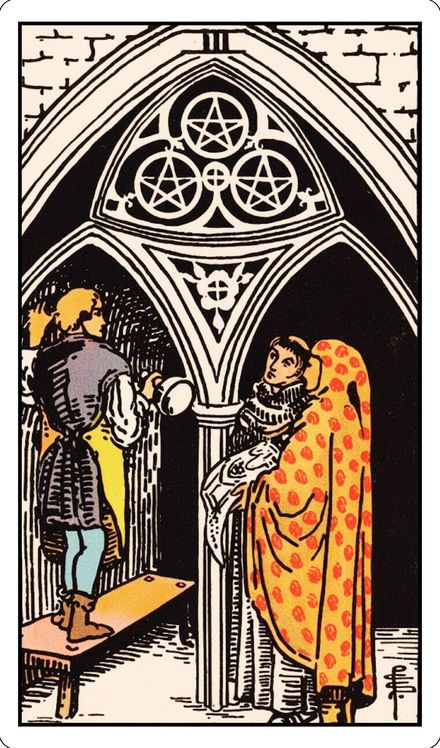
| 3♦Three of Diamonds | Three of Pentacles | teamwork, craftsmanship, collaboration |
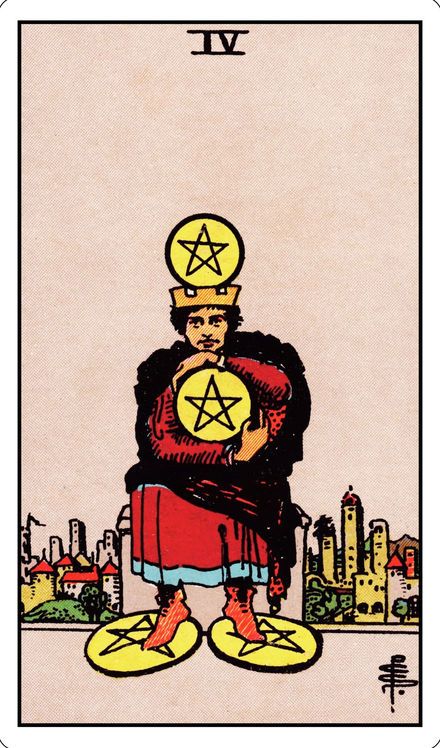
| 4♦Four of Diamonds | Four of Pentacles | security, conservation, control |
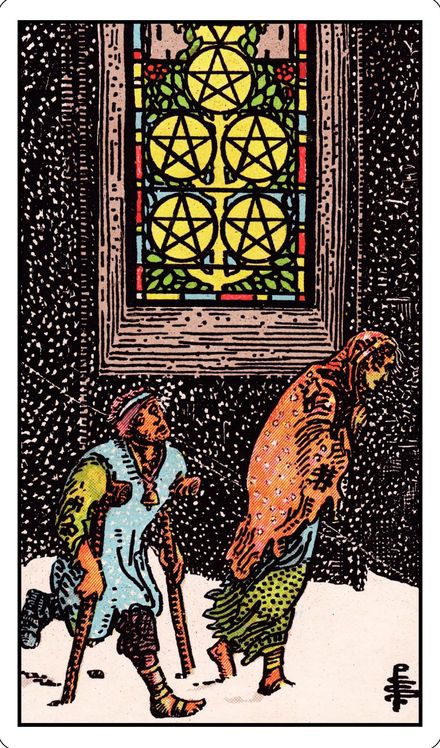
| 5♦Five of Diamonds | Five of Pentacles | hardship, loss, isolation |
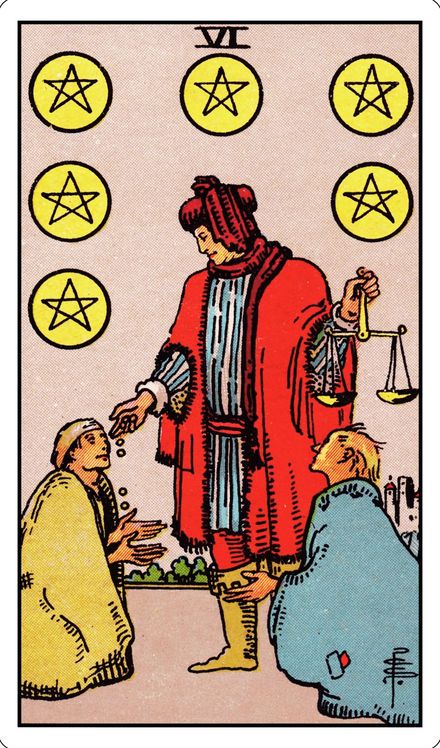
| 6♦Six of Diamonds | Six of Pentacles | generosity, charity, sharing wealth |
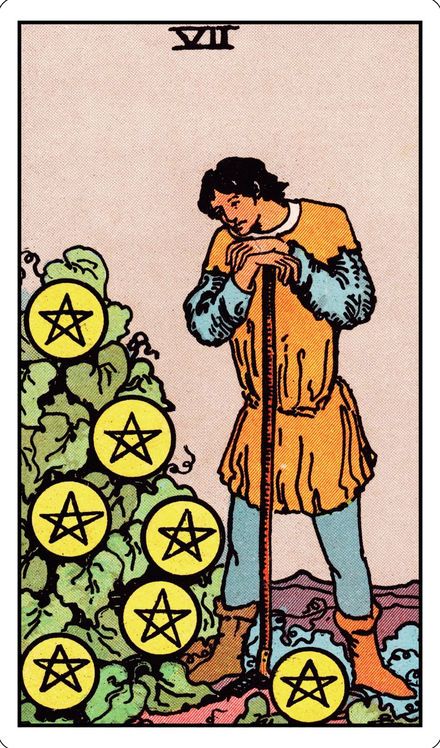
| 7♦Seven of Diamonds | Seven of Pentacles | patience, long-term investment, perseverance |
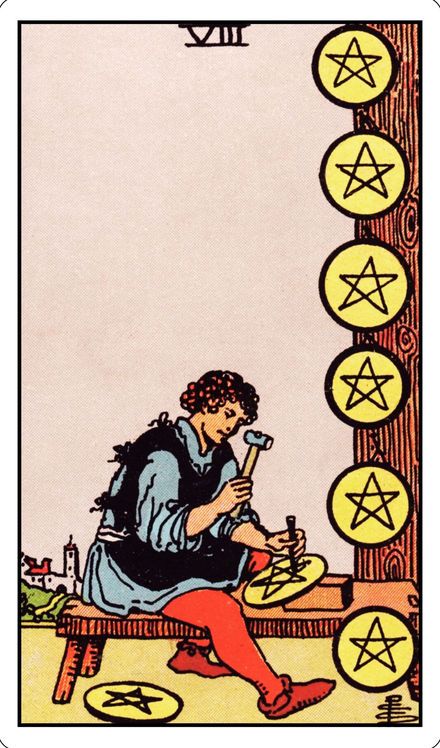
| 8♦Eight of Diamonds | Eight of Pentacles | skill, dedication, craftsmanship |
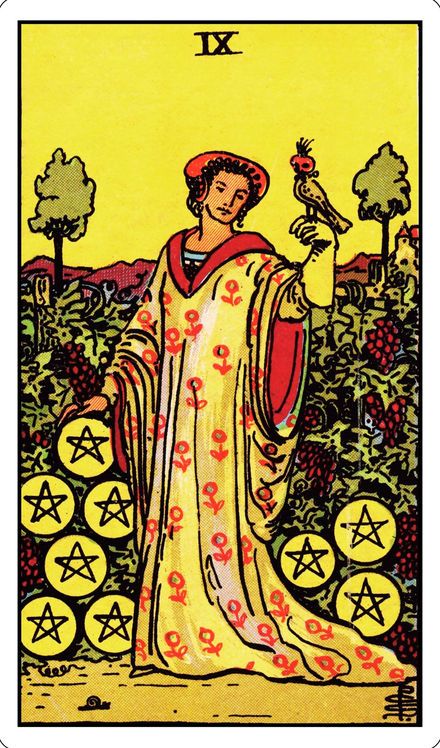
| 9♦Nine of Diamonds | Nine of Pentacles | luxury, self-sufficiency, abundance |
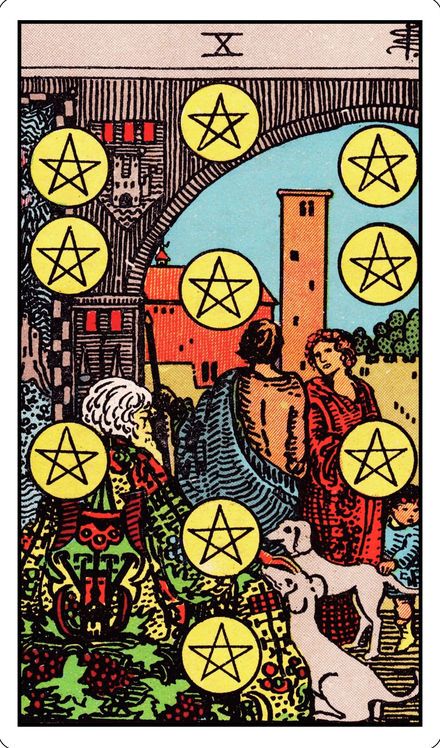
| 10♦Ten of Diamonds | Ten of Pentacles | wealth, inheritance, legacy |
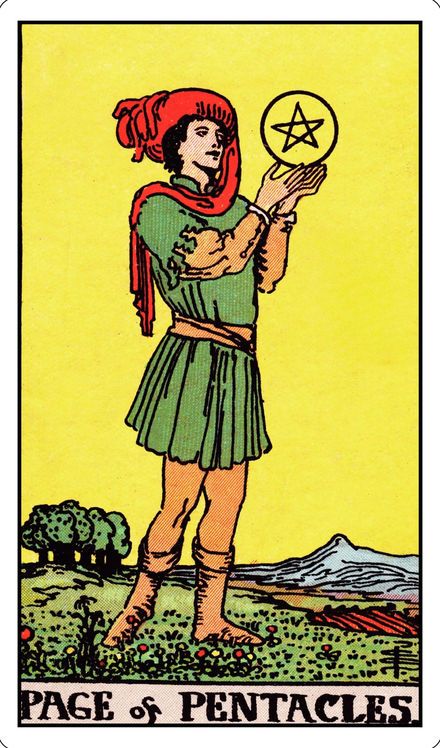
| J♦Jack of Diamonds | Page of Pentacles | ambition, new skill, opportunity |
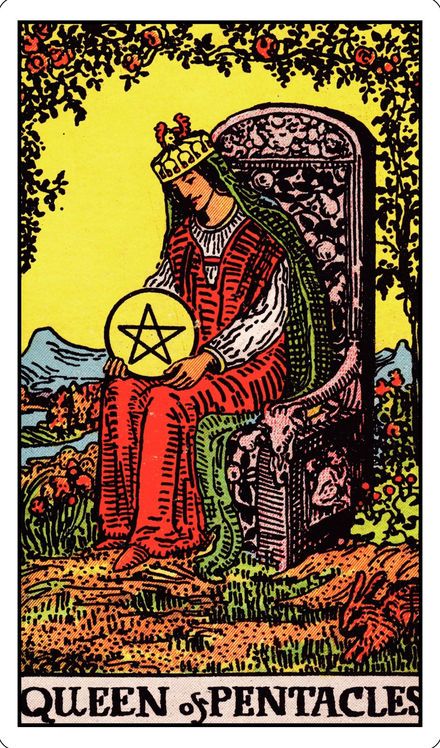
| Q♦Queen of Diamonds | Queen of Pentacles | nurturing, practical, abundance |
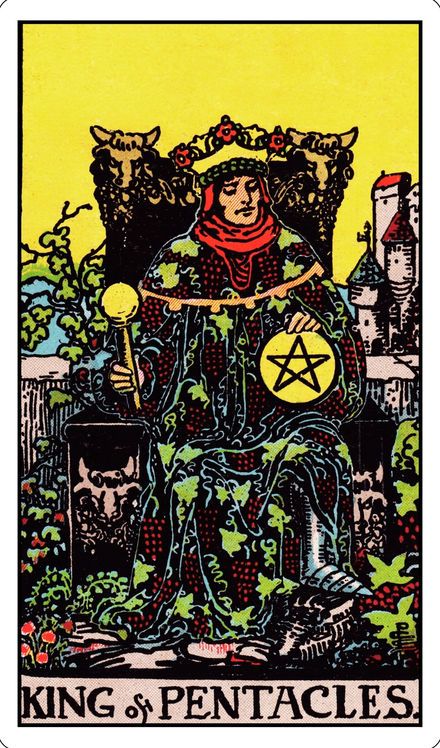
| K♦King of Diamonds | King of Pentacles | wealth, business, leadership |
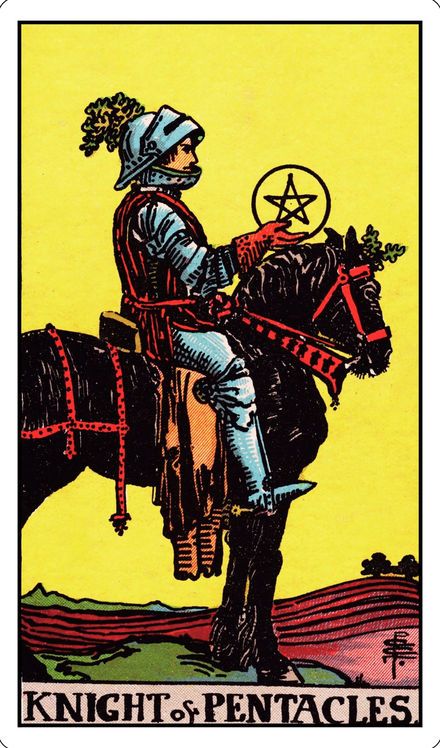
| noneNo counterpart in a 52 card deck | Knight of Pentacles | hard work, routine, responsibility |
Clubs
| Playing card | Tarot card | Reads as |
|---|---|---|
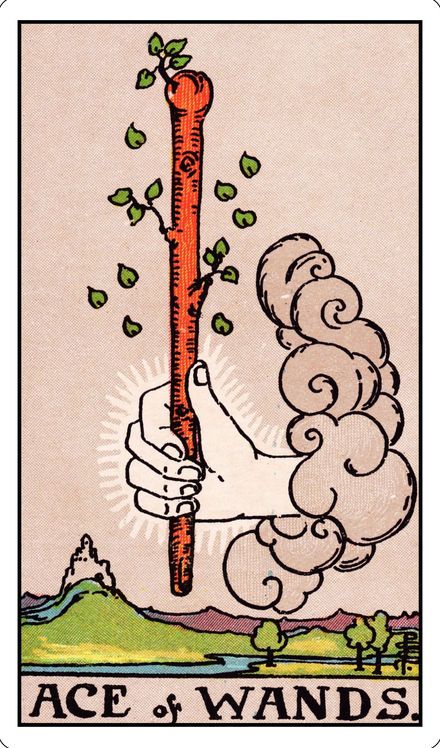
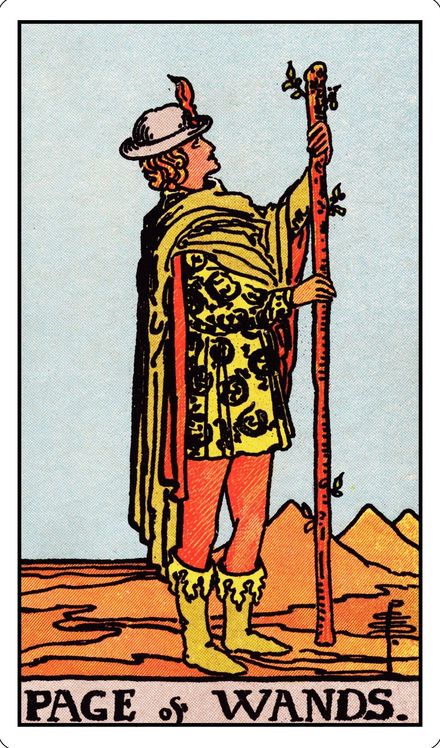
| A♣Ace of Clubs | Ace of Wands | inspiration, new beginnings, potential |
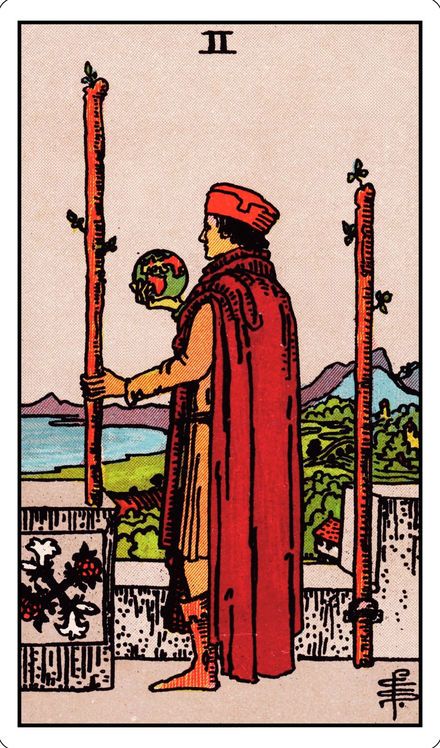
| 2♣Two of Clubs | Two of Wands | planning, future vision, decisions |
| 3♣Three of Clubs | Three of Wands | expansion, foresight, opportunity |
| 4♣Four of Clubs | Four of Wands | celebration, homecoming, harmony |
| 5♣Five of Clubs | Five of Wands | competition, conflict, tension |
| 6♣Six of Clubs | Six of Wands | victory, recognition, public reward |
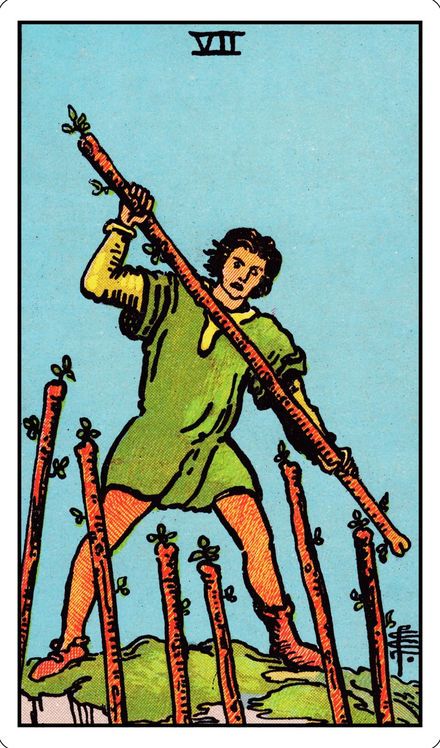
| 7♣Seven of Clubs | Seven of Wands | challenge, perseverance, defense |
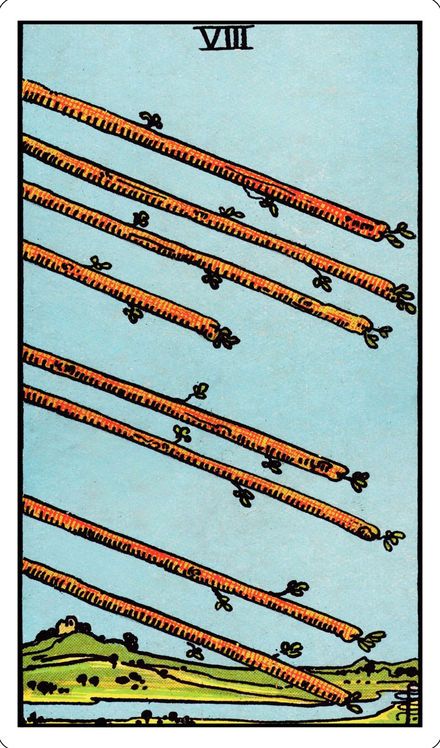
| 8♣Eight of Clubs | Eight of Wands | speed, movement, swift action |
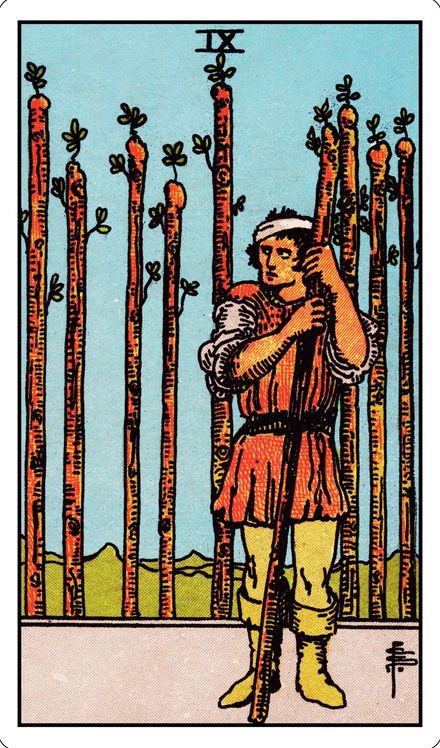
| 9♣Nine of Clubs | Nine of Wands | resilience, persistence, last stand |
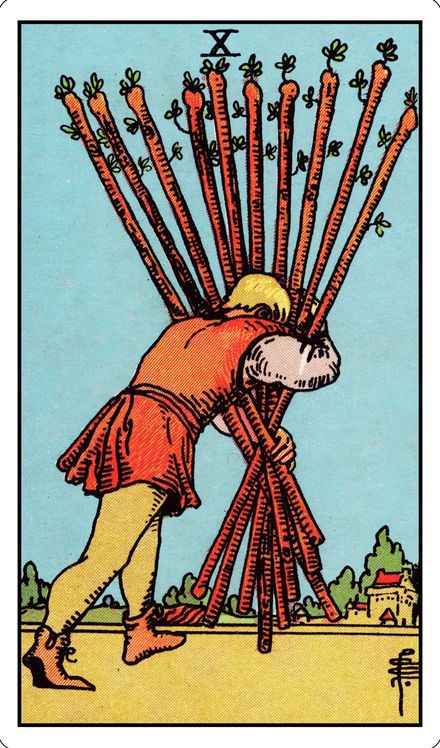
| 10♣Ten of Clubs | Ten of Wands | burden, responsibility, hard work |
| J♣Jack of Clubs | Page of Wands | enthusiasm, exploration, discovery |
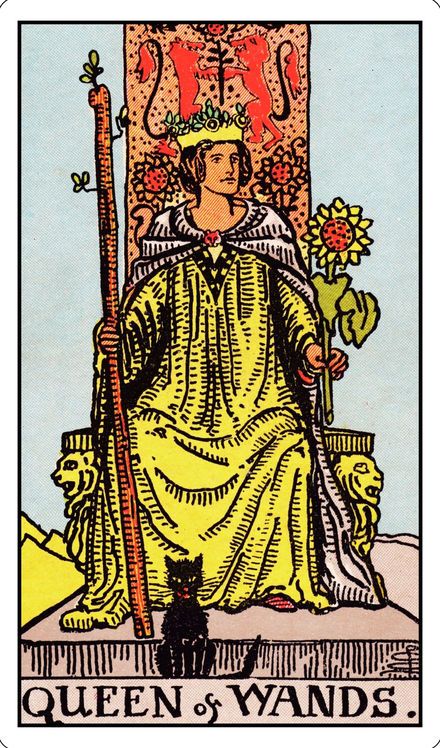
| Q♣Queen of Clubs | Queen of Wands | courage, confidence, independence |
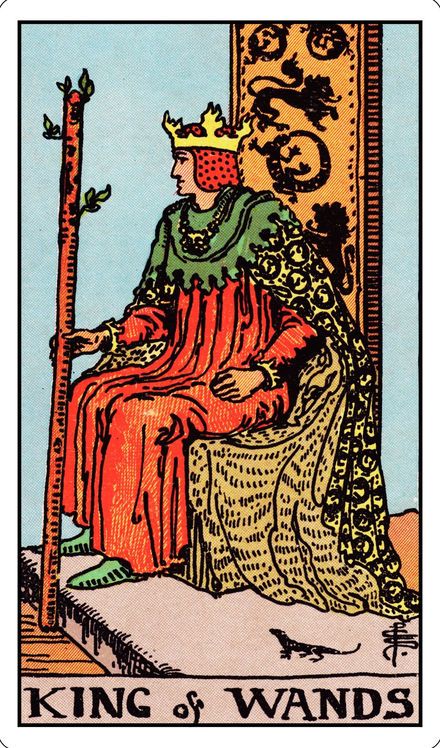
| K♣King of Clubs | King of Wands | vision, leadership, entrepreneurship |
| noneNo counterpart in a 52 card deck | Knight of Wands | energy, passion, adventure |
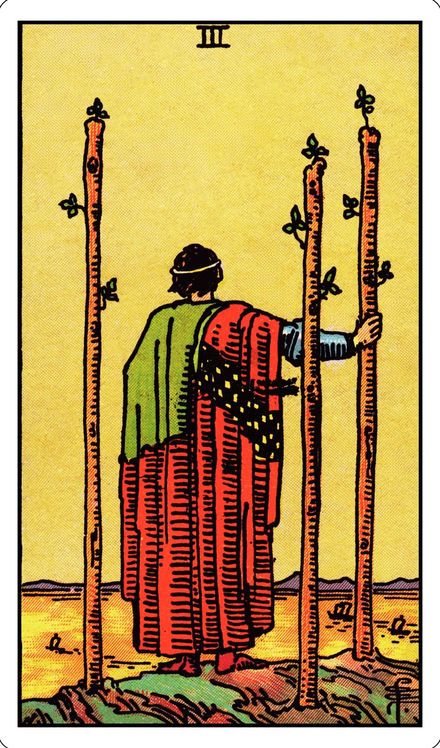
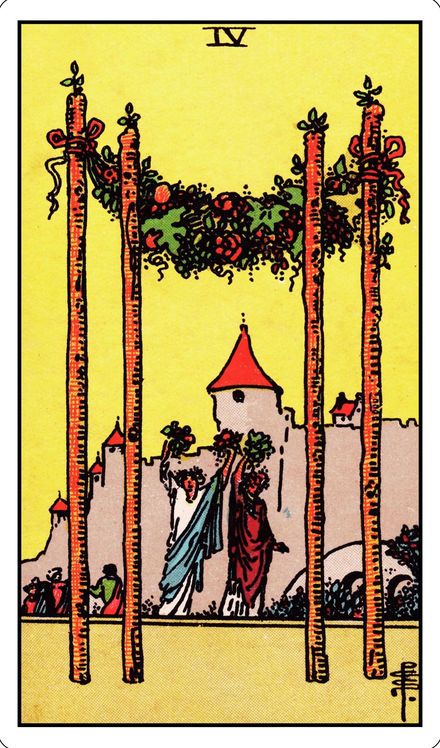
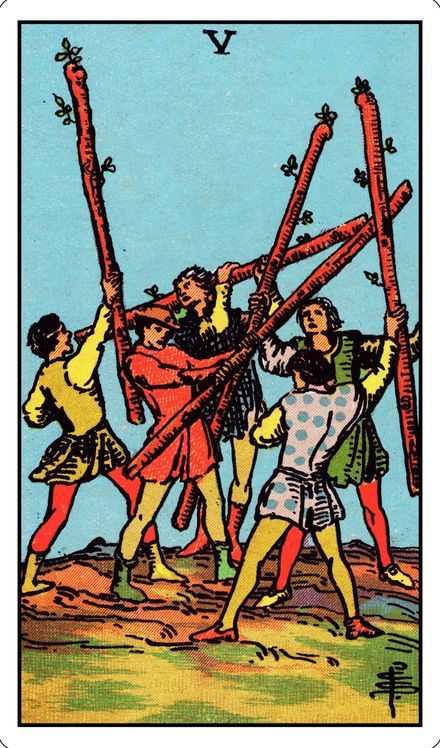
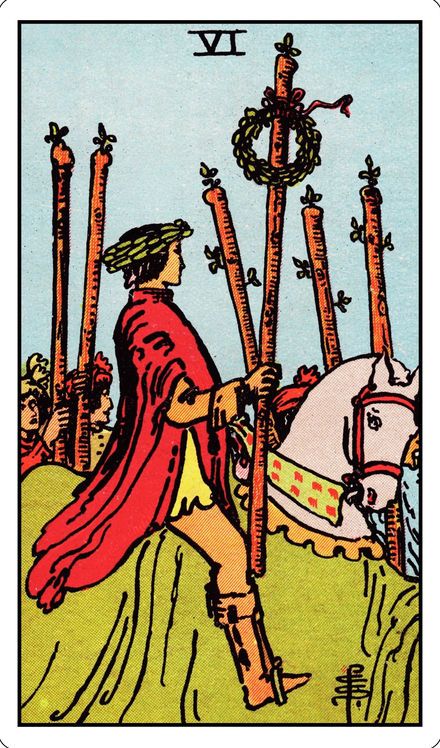
The Joker
The Joker is younger than every tradition that might tell you how to read it. It was added to American decks in the 1860s so that euchre could have a top trump, which means no historical system of cartomancy has a place for it.
Readers who keep it in almost always read it as The Fool, and the borrowing is a fair one: both cards sit outside the numbered order and both are about a step taken without the information. But it is a modern convenience rather than an inheritance. If you want it in the deck, decide what it means while the deck is still stacked. Deciding after you have drawn it is how a reading becomes a negotiation.
What 52 cards cannot say
Twenty two majors and four Knights, so 26 of the 78 are absent. The Knights you have met. The majors are the ones you feel.
The Major Arcana are the cards that name a force rather than an event: the ones that say this is a season, this is a reckoning, this is the part you will tell people about later. A reading dealt from 52 cards has none of them. It can tell you what is happening this week in exact detail and it cannot tell you what the week belongs to.
That is a limit and it is also, some of the time, the reason to use the smaller deck. A question like what is going on with my sister does not want The Tower in it. It wants four specific cards about a specific two weeks, which is what a playing card deck deals every time.
The other half of what you gain is easier to miss. The Minor Arcana are a grid, fourteen deep and four wide, and the suit pages of most tarot sites only ever read down the columns. A playing card deck is that grid with one row removed, which makes the rows unusually easy to see when you are dealing from it: all four Aces are an offer, no Five reads as yes, and all four Sixes are the way out of the Five above them. Deal thirteen ranks across four suits often enough and the rows start arriving before the meanings do.
Reading them in practice
Reversals need a decision before you shuffle. Most pip cards are symmetrical top to bottom, and modern court cards are printed double headed so that they read the same from either side of a table. A playing card has no upright to be reversed from. Either read upright only, which is what most of the older traditions do, or mark one short edge of every back with a pencil dot before your first reading. What does not work is deciding a card is reversed because it came out looking that way.
Small spreads suit it. A three card pull works exactly as it does with tarot, and the how to read tarot guide’s method transfers without changes. Larger spreads work too, and you will notice the gap: a ten card layout with no majors in it can read flat, because the cards that raise the stakes were never in the deck.
Court cards do most of the heavy lifting. With three courts per suit instead of four, twelve of your 52 cards are people. That is nearly a quarter of the deck, against a fifth of a tarot deck, so a playing card reading is proportionally more about who than about what. Lean into it rather than resisting it.
Keep a record from the first reading. This matters more with a playing card deck than a tarot one, because the cards are unillustrated. A tarot card gives you a picture to remember it by. The Six of Diamonds gives you six diamonds, and two weeks later you will not be able to say whether it turned up before or after the conversation it seemed to be about.
Where this leads
Most people who start here end up wanting the 22 cards they cannot deal. That is the honest shape of it: the 52 card deck teaches the suits and the numbers, which is the part of tarot that takes longest and gets taught worst, and then the majors are what you go and get.
Reflecta deals all 78, and keeps every reading, so the cards that keep returning become something you can look at rather than something you half remember. If you have been reading from a pack of cards because it was the deck you had, that is the part that does not transfer to paper.
Either way, the mapping above is the whole of it. Four suits, thirteen ranks, one missing rider. The cards are six centuries old and the habit of reading them is a good deal younger than that, which is worth knowing and changes nothing: the deck in the drawer is the same deck, and it will sit for a question tonight.
Common questions
- Can you read tarot with a regular deck of playing cards?
- You can read 52 of the tarot's 78 cards with one. The four playing card suits are the same four tarot suits in a simpler costume, and Ace through Ten map straight across. What you cannot deal is the 22 Major Arcana or the four Knights, so a playing card reading answers what is happening rather than what chapter it belongs to.
- Which playing card suit matches which tarot suit?
- Spades are Swords, Hearts are Cups, Diamonds are Pentacles, and Clubs are Wands. The first two are settled and nobody argues about them. The Clubs and Diamonds pairing is the one traditions disagree over, and you will find good sources that swap them. Pick one, write it down, and do not change it halfway through a reading.
- What tarot card is the Jack?
- The Page, most of the time. The French deck has three court ranks where the tarot has four, because the Jack is where the Page and the Knight ended up after the deck was simplified. Most readers treat the Jack as the Page and accept that the Knight's single-minded momentum has nowhere to live in a 52 card deck.
- Which tarot cards are missing from a deck of playing cards?
- Twenty six of them. The 22 Major Arcana, from The Fool to The World, and the four Knights. That leaves 52 of the 78, which is every numbered minor plus three courts in each suit. The missing majors are the ones people feel: nothing in a playing card deck can say that a whole season of your life is turning.
- What does the Joker mean in cartomancy?
- Nothing traditional, because the Joker was added to the deck in the 1860s for a trick-taking game and the reading traditions are older than it is. Readers who keep it usually treat it as The Fool, which is a reasonable borrowing: both cards sit outside the numbered sequence. If you use it, decide what it means before you shuffle rather than after you draw it.
- Can you read reversals with playing cards?
- Not reliably, without preparing the deck first. Most pip cards are symmetrical top to bottom and modern court cards are printed double headed, so a playing card has no upright to be reversed from. Either read upright only, which is what most cartomancy traditions do, or mark one short edge of every card back before you start.
Cards mentioned
There is also a page on what Reflecta is, if the waitlist is a step too early.