Tarot for beginners
To start reading tarot you need a deck, one question, and a three card spread. Everything else, including memorizing 78 meanings and learning reversals, is better added later. The most common beginner mistake is asking a question too vague for any answer to land.
The barrier to starting tarot is the impression that you need to know all 78 cards before you can do anything. It is false, and it stops a lot of people at the first step.
You can do a real reading today.
Getting a deck
Buy a Rider-Waite-Smith deck, or one clearly based on it. Nearly every book, guide, and website you will read describes those specific images, so a deck that reinvents them means constantly translating between what is in your hand and what is on the page. There are hundreds of versions with different art and the same structure. Pick one you like looking at, because you will be looking at it a lot.
Ignore the folklore about needing to be given your first deck. It has no basis in the history of the practice and it stops people starting for no reason.
What is in the deck
Seventy-eight cards in two groups.
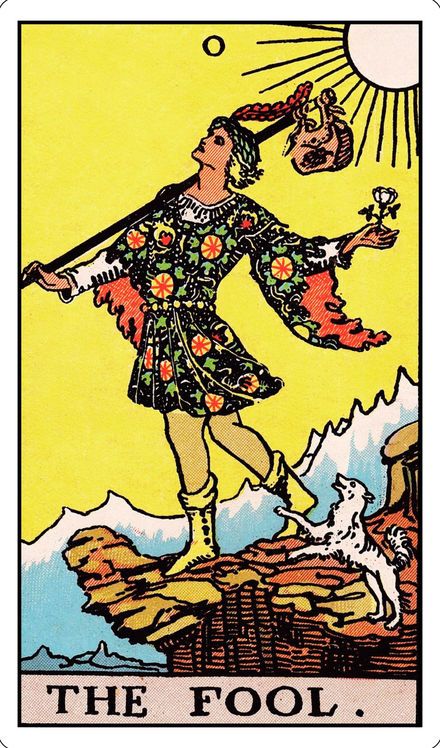
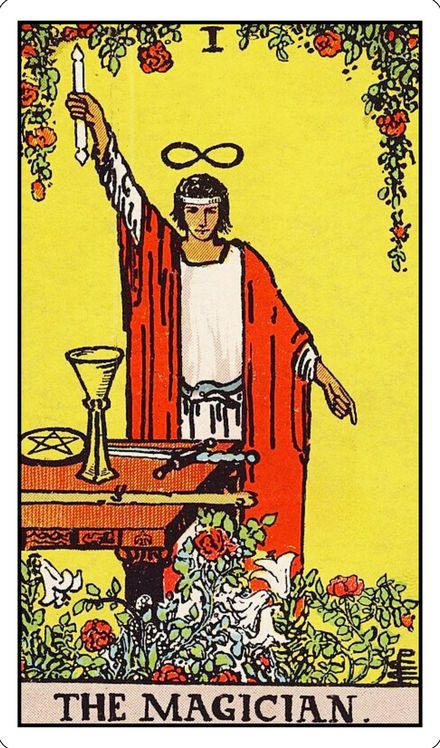
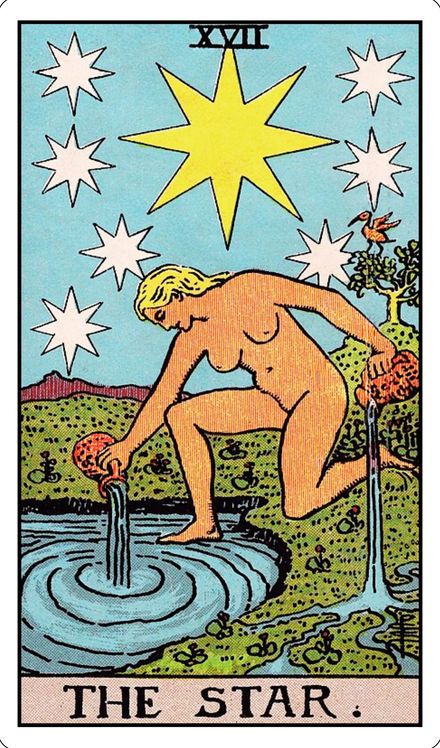
The Major Arcana are 22 cards with no suit, numbered from The Fool at zero to The World at twenty-one. They deal with the large stuff: the turns a life takes rather than the days it is made of.
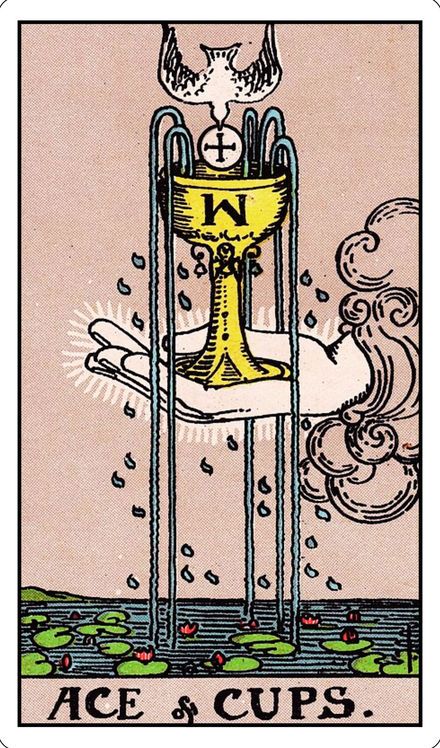
The Minor Arcana are 56 cards in four suits, and each suit runs Ace to Ten and then four court cards. Each suit owns a domain: Cups for feeling, Pentacles for the material, Swords for the mind, Wands for drive.
That is the whole structure, and knowing just that much is enough to start. If a spread comes out mostly Swords, the situation is about thinking and conflict, before you have identified a single card.
Your first reading
Do not start with the Celtic Cross. It is the famous one, and ten cards is far more material than anyone can hold on a first attempt, which is why beginners so often find their first big spread produces nothing they can use.
Start with the three card spread:
- Write down one question, in one sentence. Make it open, something a yes, a no, or a date cannot answer.
- Shuffle. However you like, for as long as feels right.
- Deal three cards face up, left to right: past, present, future.
- Before interpreting anything, describe out loud what you can literally see in each card.
- Look them up. Looking things up is normal and stays normal for a long time.
- Say what the three of them together answer about your question.
Step four matters more than it looks. It slows down the reflex to slap a memorized keyword on a card and lets the actual image do some work.
The mistakes that make early readings feel like nothing
The question was too vague. By some distance the most common problem. “What does my future hold” cannot produce a specific answer because it did not ask a specific thing. Ask about one situation.
Reading the cards one at a time. Three separate meanings in a row is not a reading. The information is in how they relate, and this is the skill worth building early.
Redealing. If you did not like the answer and shuffled again, you already got the answer. Everyone does this. Noticing you are doing it is the useful part.
Adding reversals too early. A reversed card is one dealt upside down, with a shifted meaning. It is a real technique and it doubles your material before you have the basics. Leave it for a few months.
Memorizing instead of reading. Meanings learned from a list stay abstract. A card you drew on a specific bad Tuesday attaches itself permanently to that Tuesday, which is why a daily one card pull teaches you the deck faster than any book.
What tarot is for
Worth being clear about, since it shapes how you use it. Tarot is very good at showing you a situation from an angle you would not have picked yourself, and at interrupting the story you have already decided on. Call it intuition, pattern-matching, or something else. The name does not change how well it works.
It is not good at making decisions for you, and the readings that go wrong are almost always the ones where someone is quietly hoping it will.
Common questions
- Which tarot deck should a beginner buy?
- A Rider-Waite-Smith deck or one closely based on it. Almost every guide, book, and website describes those images, so a deck that departs from them means constantly translating between what you are looking at and what you are reading about. Pick a version whose art you like.
- Does someone have to give you your first tarot deck?
- No. This is a persistent piece of folklore with no basis in the history of the practice, and it stops people starting for no reason. Buy your own deck.
- How long does it take to learn tarot?
- You can do a useful three card reading on your first day. Getting fluent, in the sense of knowing the cards from experience rather than looking them up, takes a few months of regular pulls. A daily card is the fastest route because meanings attach themselves to real days.
- Can I read tarot for myself?
- Yes, and most readers mostly do. The difficulty is honesty: it is much easier to keep redealing until you get an answer you like when nobody is watching. Writing the question down first and holding yourself to the first spread solves most of it.
Cards mentioned
There is also a page on what Reflecta is, if the waitlist is a step too early.